 Six Senses is working towards the goal of eliminating all plastics from its operations by the year 2022.
Hotel chains had been making big plastic-free commitments before the pandemic brought most travel playbooks to a screeching halt. Today, some in the travel industry are continuing to pledge their support through pacts, while others move past talking and put plans into meaningful action.
The conversation about reducing single-use plastics (SUP) is going strong in the travel industry. The Global Tourism Plastics Initiative (GTPI) recently welcomed 32 new signatories including TUI Group, AC Hotels by Marriott and Palladium Hotel Group. This brought the total number of signatories to 93, a 50% increase.
Six Senses was one of existing GTPI signatories. It joined the initiative in 2020, pledging to eliminate, innovate and circulate its use of plastics by 2025. Prior to that, the luxury hotel company had already set its own goal to rid its properties of all plastics by the year 2022.
Walking the talk
The reality is that eliminating single-use plastic (SUP) is not an overnight change for large chains, and certainly not with the pandemic at our door.
Beyond talking, deliberate steps to set targets, evaluate and hold oneself accountable are of chief importance to walk the talk on sustainability commitments.
Mandarin Oriental Hotel Group is a great example of that. Speaking with M&C Asia, Christoph Mares, Chief Operating Officer, said: “We understand that change is not always the easiest journey, but we aim to be transparent about the challenges we face.”
In October 2019, the chain had originally set a target to eliminate all SUP across its portfolio of luxury hotels by the end of March 2021. Despite setbacks to this goal, the Group is making a valiant effort to track, audit and report their progress.
“The principal reason for not hitting the target date is the delay in usage of existing SUP supplies due to the low business levels caused by the pandemic,” the Group said.
By the end of Q1 2021, the Group had achieved nearly 70% reduction in this annual plastic footprint. Based on estimated plastic stock depletion timelines and supplier delivery commitments, it is expected that all hotels will eliminate SUP by the end of Q1 2022, avoiding 930 tonnes of plastic waste each year.
The Group will issue another progress report in Q4 2021.
Mares added that Mandarin Oriental continues to prioritise sustainability by implementing “a strong governance structure with an executive advisory panel, which guides and champions our initiatives and incorporates sustainability elements into all our policies and procedures”.
Why it still matters to hotels
With hotels prioritising crisis recovery, it bears repeating why plastic-free commitments still have a place in the industry.
There is no running away from SUP elimination with regulatory changes underway. The EU trade bloc in July announced a ban on certain plastic products including cutlery, plates, straws, stirrers, food packaging and containers made of expanded polystyrene, and all oxo-degradable plastic products.
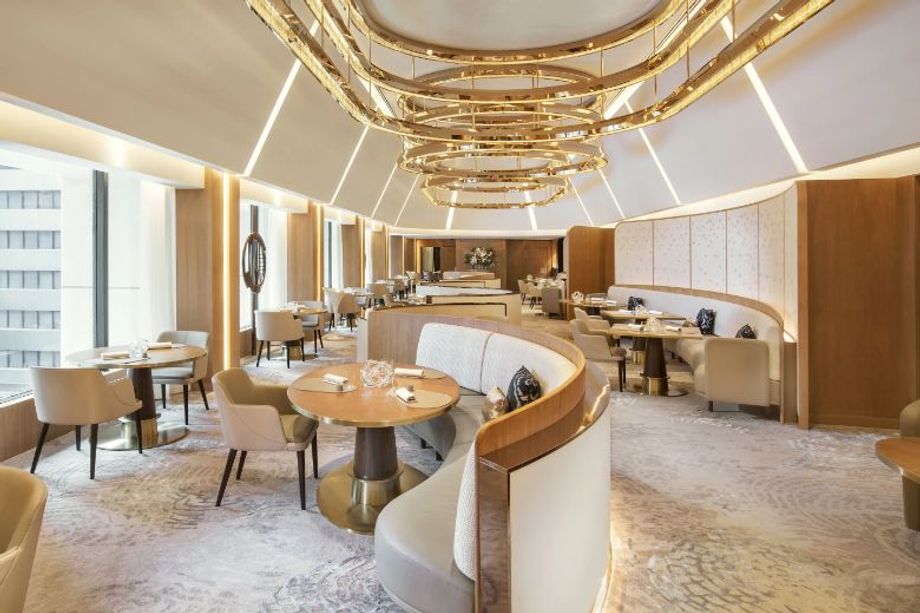 It took six years for Amber, the two-Michelin-star restaurant at The Landmark, Mandarin Oriental, Hong Kong (pictured), to be rid of single-use plastics including cling wrap.
Vietnam Deputy Prime Minister Le Van Thanh on July 22 approved a project on managing plastic waste that included a pledge to have all tourism complexes, hotels and other lodging facilities eliminate use of non-biodegradable plastic bags and single-use plastic products by 2025.
Six Senses’ VP Sustainability, Jeffery Smith, told M&C Asia: “Studies show less than 1/3 of recyclable plastics actually get recycled. This creates an increasingly relevant problem for the tourism industry, as plastic pollution shows up on our beaches, in our communities, and negatively impacts our travel experiences. It’s a global system and as responsible operators we must play our part to eliminate the flow of unnecessary plastics.”
Mandarin Oriental’s Mares added that the responsible and sustainable operation of properties “will always be relevant”. Energy, water, waste and carbon emissions are “pressing issues” that will continue to affect hotels as they expand, he explained.
Luxury can be plastic-free
And as hotels court guests in the more immediate term, it is worth noting that eliminating SUP can go hand in hand with topnotch service delivery.
Examples are many within the Mandarin Oriental portfolio in APAC.
Mandarin Oriental, Singapore has partnered with bottled water distributor, DR. WHO, turning progressively to water refining technologies to provide guests with filtered water in sustainable glass bottles. The hotel no longer uses plastic straws or bottles.
Guests can indulge in the Michelin experience free of SUP. It has taken six years, but the team at Amber — The Landmark Mandarin Oriental, Hong Kong’s two‐Michelin‐star restaurant — is now rid of SUP, even managing to replace cling film.
Meanwhile, South Asia's largest hospitality company this year announced that it was introducing bottling plants across its hotels in India as well as the Maldives and Sri Lanka.
According to Indian Hotels Company Limited (IHCL), its initiative to replace all plastic water bottles from the hotels with reusable glass water bottles, bottled with treated water, will avoid the use of 6 million plastic bottles per year.