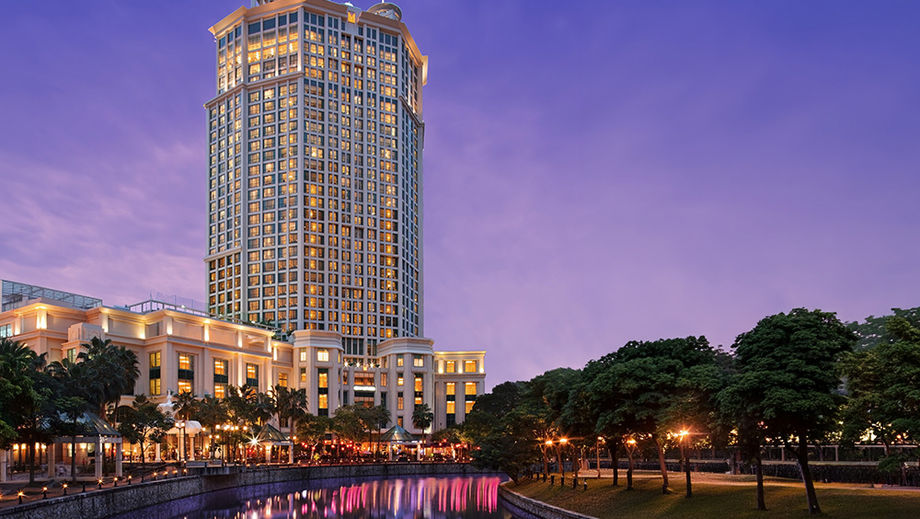
 Global gateway cities like Singapore offer more than connectivity and infrastructure – they combine reliability, consistency and destination appeal to help maximise the value of business events. Pictured: Grand Copthorne Waterfront Hotel Singapore
The KPI of business events have changed.
While cost remains under intense scrutiny, organisations are
increasingly evaluating meetings by the business outcomes they deliver: stronger
attendance, meaningful networking, easier execution and measurable return on
investment.
As a result, value is now assessed through a broader lens:
how efficiently delegates can gather, how reliably an event can be executed and
whether the destination helps organisations achieve their objectives.
Viewed this way, the world's major gateway cities continue to offer a compelling advantage.
Cities such as Singapore, London, New York, Beijing and Los
Angeles have long served as centres for finance, investment and innovation.
They also possess many of the ingredients that planners consistently
prioritise: global accessibility, mature event ecosystems, extensive supplier
networks and a wide range of experiences for delegates beyond the meeting room.
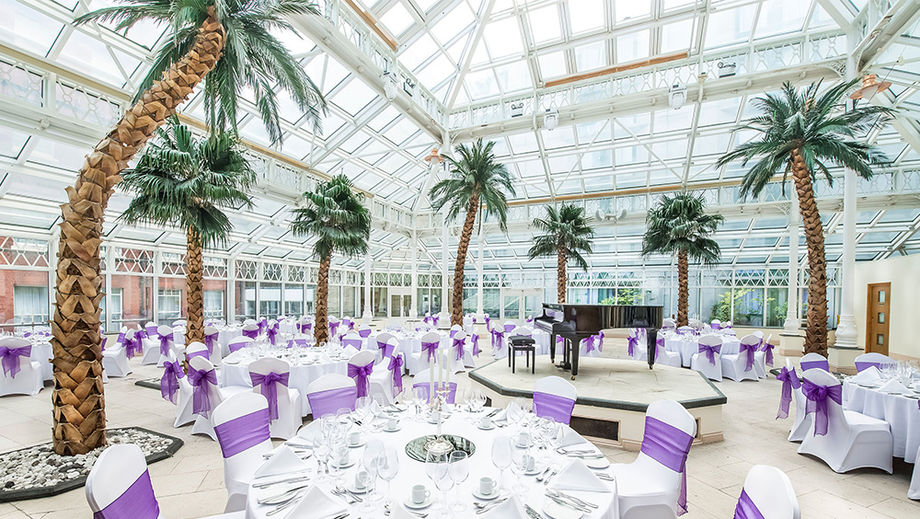 Millennium Hotel and Conference Centre Gloucester London offers state-of-the-art meeting rooms and conference facilities.
Why the hub still wins
Connectivity is the obvious advantage. Cities with dense
long-haul and regional air links give delegates more flight options, easier
transfers and, in many cases, shorter overall journey times. For planners, this
can mean stronger attendance and fewer logistical headaches when participants are
travelling from multiple markets.
But it's not just about getting there. Established hubs come
with the world-class infrastructure that makes an event work: advanced public
transport, venues built for events of every scale, and a wide array of hotels, restaurants,
culture and entertainment. Delegates can easily meet clients over dinner, explore the destination beyond the conference, or extend trips into leisure stays.
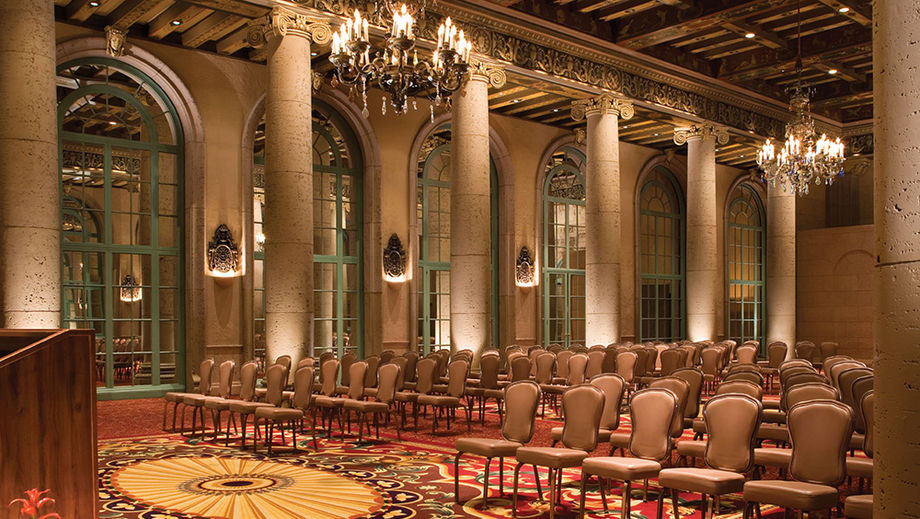 At The Biltmore Los Angeles, delegates can step beyond the meeting room to experience Downtown LA's thriving arts, entertainment and dining scene.
Add to that access to local pools of skilled talent, diverse
audiences, and a concentration of corporate headquarters, and it’s easy to see
why sponsor and attendee turnout tends to be stronger in these cities. There's
also the prestige factor at work – and the safety and reliability that come
with hosting in an established urban centre.
As Cinn Tan, Chief Commercial Officer of Millennium Hotels
and Resorts, puts it: "Planners are looking for trusted destinations and
venue partners that can offer flexibility, strong connectivity and experiences
that make face-to-face meetings worthwhile.
“Across our global portfolio, we aim to be a trusted hospitality partner for organisers, helping them bring people, ideas and opportunities together in spaces designed for meaningful business connections.”
The partner matters as much as the city
Picking the right hub is only half the equation, though. The
second is finding a hospitality partner that can deliver consistently in the destination – and across multiple hubs, especially if the programme spans several markets.
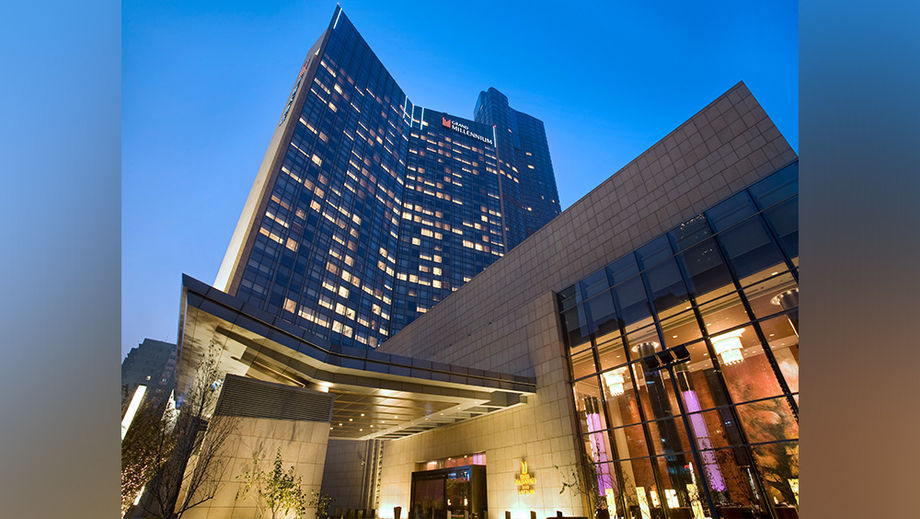 In China, Grand Millennium Beijing pairs a prime CBD location with easy access to city’s iconic landmarks.
This is where hotel groups with a global portfolio earn
their keep. A consistent standard for guestrooms, meeting space, technology and
service across cities means planners aren't adapting to a fresh set of
expectations every time an event moves to a different market. Millennium Hotels
and Resorts (MHR), operating across more than 80 destinations, is a useful
example of how that plays out in practice.
Location is one clear advantage. Grand Copthorne
Waterfront Hotel Singapore sits right on the bustling Singapore River,
putting delegates within walking distance of the city's retail and dining core,
while The
Biltmore Los Angeles brings historic character and Downtown LA's
thriving arts scene together under one roof. In London, Copthorne Tara Hotel London
Kensington and Millennium
Hotel and Conference Centre Gloucester London Kensington combine
excellent meeting facilities with easy access to Hyde Park, museums and the
West End.
Scale is the other. Grand
Millennium Beijing can accommodate up to 1,000 delegates across its
ballroom and breakout spaces, balancing a prime CBD location with the capital's
cultural landmarks, while Millennium
Premier Hotel New York Times Square offers 43 meeting rooms and nearly
4,830 sqm of event space within steps of Broadway and Manhattan's business
district.
 The recently revamped M Social Downtown New York sits in the heart of downtown Manhattan, making it a prime location for corporate events and meetings.
Hotels as event partners, not just venues
The role of the venue has evolved. Today's planners expect hotels to deliver technology, flexibility and sustainability alongside exceptional service, helping events run more smoothly while creating greater value for attendees and organisers alike.
MHR's recent refresh of the Orchard Grand Ballroom at Orchard Hotel Singapore, now
featuring the city's first floor-to-ceiling LED walls, reflects that
shift toward hotels investing in the experience itself, not just the space.
Across the portfolio, practical sustainability measures – LED lighting,
motion-sensor guestrooms, energy-efficient heat pumps, and supplier vetting on
emissions and waste – make it easier for planners to meet their ESG objectives.
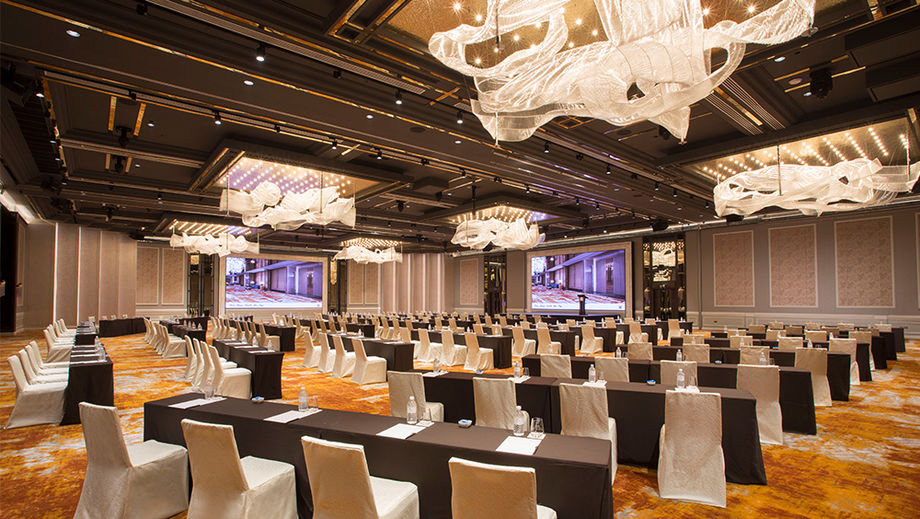 Orchard Hotel Singapore's newly revamped Orchard Grand Ballroom now boasts the city's first floor-to-ceiling LED walls.
The new value equation
None of this means gateway cities are the only right answer,
or that venue economics don’t matter. But when the calculation includes
attendance, delegate experience and event outcome, hub cities – paired
with a hospitality partner that can operate consistently across them – tend to
come out ahead.
Ready to unlock the value of events in the world’s greatest hub cities? MHR's Where
Business Connects initiative brings together flexible meeting solutions,
destination expertise and event support designed to help planners create more
impactful events. Organisations that regularly meet across the network can also
benefit from MyMillennium Biz, the group's corporate rewards programme,
which enables bookers and event planners to earn rewards on eligible meetings
and stays.
Explore
Millennium Hotels and Resorts' global network of hotels, venues and flexible
event solutions here.

This article is brought to you by Millennium Hotels & Resorts.