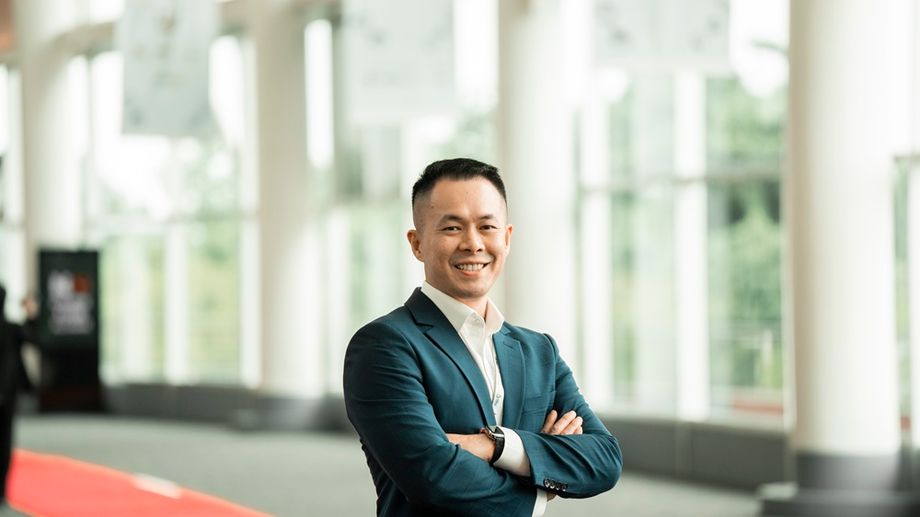
 Jason Tan Chin Foo: Combination of capacity, connectivity, sector expertise, government commitment and purpose-led event design will drive Sarawak’s next phase of growth
A
conference lasts a few days, but its impact can last for years.
That's
the philosophy driving Business Events Sarawak’s (BESarawak) approach to
business events. From developing AI tools to measure legacy to bringing
together governments, universities, businesses and communities, BESarawak is
redefining the role of business events – not as standalone gatherings, but as
catalysts for long-term economic, social and environmental impact.
CEO
Jason Tan Chin Foo explains how Sarawak is turning meetings into long-term
opportunities for growth.
1.
BESarawak has long championed the concept of event legacy. How has the approach
evolved over the years, and what does legacy impact look like for Sarawak
today?
While
tourism remains important, we're now much more focused on the long-term impact
that events can create for people, industries and communities.
Today,
we look at legacy across three areas: social, economic and environmental
impact. This approach is aligned with Sarawak's Post COVID-19 Development
Strategy 2030, ensuring that the knowledge, partnerships and initiatives
generated through events contribute to the state's wider development goals.
We
have also moved from discussing legacy as an idea to developing systems that
can plan, measure and validate it. Sarawak’s Legacy Impact Master Action Plan
2023-2025 established a structured framework, while AI.LEGACY enables
organisers to monitor and report the social, economic and environmental
outcomes of their events.
Legacy
for us today means that business events are no longer just standalone
gatherings – they’re giving organisers and delegates the power to be part of
something larger: transferring knowledge, developing solutions, creating
partnerships and contributing to outcomes that can continue long after the
closing session.
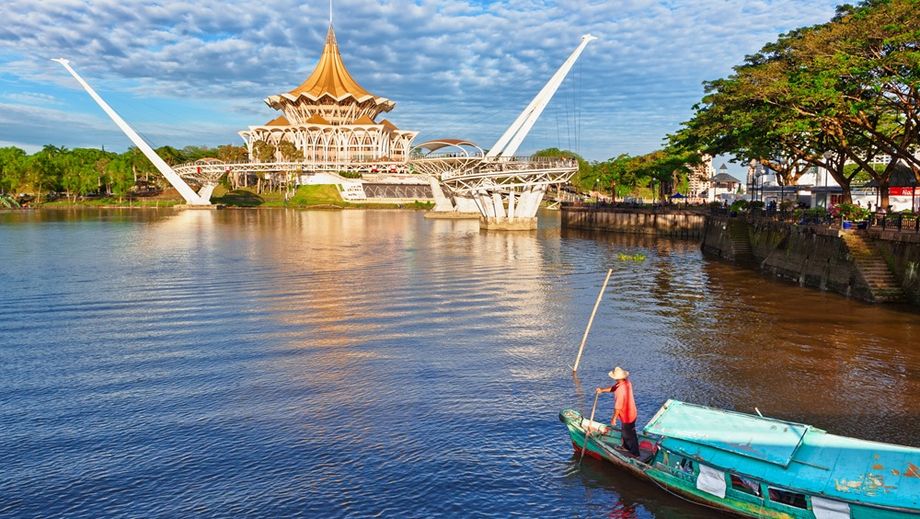 Building a business events ecosystem connecting different stakeholders.
2.
One of BESarawak’s strengths is its ability to bring together different
stakeholders. How do governments, businesses, universities and local
communities work towards legacy together?
No
organisation can build a destination on its own. It takes close collaboration
between government, industry, academia and local communities to ensure business
events create meaningful and lasting benefits. Our role at BESarawak is often
to bring those groups together.
Government
agencies help align an event with Sarawak’s development priorities and can
provide access to policymakers, public institutions and sector-specific
initiatives. Universities contribute research expertise, academics, students
and mechanisms for documenting or continuing the work. Businesses bring market
knowledge, investment opportunities and the ability to put ideas into practice.
Communities help ensure that programmes respond to genuine local needs rather
than being designed in vain.
This
collaboration begins before the event. Together with the organiser, we identify
the desired outcomes, the relevant stakeholders and the actions needed. These
may include technical visits, research collaborations, student programmes,
community engagement, professional training or industry roundtables.
After
the event, responsibility can then be carried forward by the most relevant
local partner. A university may continue a research project, an industry
association may develop a professional development programme, a government
agency may explore a policy recommendation, or a community organisation may
expand an initiative introduced through the event. What makes this model work
is that every initiative has a local owner, which gives ideas longevity after
the event.
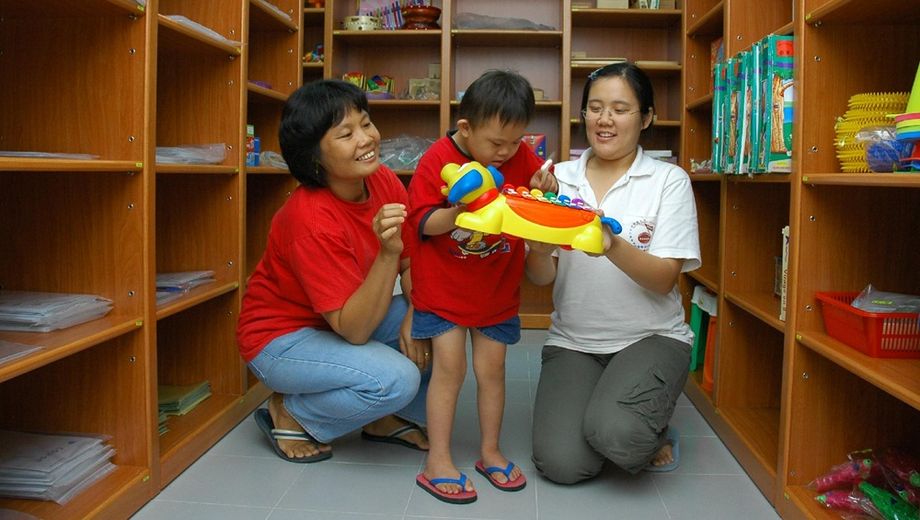 Conferences such as the Malaysian Conference on Paediatrics and Child Health 2024 aim to create awareness and inclusivity outcomes.
3.
Can you share an example of a particularly impactful event?
A strong example is the National Autism Convention 2023, organised by the Sibu
Autistic Association. While the convention generated significant economic
value, what stands out most is the difference it's making to people's lives.
The
convention brought together healthcare professionals, educators, therapists,
parents, policymakers and community organisations to improve understanding of
autism and strengthen support systems for individuals on the autism spectrum.
Through expert-led seminars and workshops, participants gained practical
knowledge on early intervention, inclusive education and lifelong support. More
importantly, the event created stronger collaboration between different sectors
that continue to advocate for autism inclusion.
One
particularly meaningful initiative saw children with autism receive performance
training, which helped develop communication, confidence, social interaction
and vocational skills, while demonstrating to the wider community the abilities
and potentials of individuals with autism.
It
helped raise awareness for the Sibu Autistic Association's plans to develop a
new education block for autistic children, encouraging greater public and
private sector support for long-term services. Today, that block also serves as
a vocational training centre for young people with autism.
This
is proof that one convention has the power to become much bigger than the event
itself.
4.
Sarawak has seen several infrastructural developments in recent years. Beyond
these, what do you believe will make the biggest difference to Sarawak’s
business events future?
Infrastructure
is important because it gives us the ability to host bigger and more complex
events. But buildings alone do not make a destination successful – people make
a big difference too.
We
continue to invest in talent development to prepare our industry for what's
next. In June, we organised the AI Masterclass for Media Practitioners to help
journalists use AI responsibly and effectively. In July, we launched the
Sarawak Business Events Accelerator Programme in Miri to equip local industry
players with practical skills to deliver international-standard events. The
programme continues in Sibu this August.
 Business Events Sarawak champions the UN Sustainable Development Goals.
We
are also bringing the Sustainable Event Professional Certificate to East
Malaysia for the first time. What's encouraging is that it's not just event
organisers who are taking part. Government agencies are joining too.
Another
advantage is that Sarawak has the Post COVID-19 Development Strategy 2030 to
focus on the expertise in sectors such as renewable energy, biodiversity,
healthcare, agriculture, water and digital technology. When an international
conference comes here, delegates are not just meeting other delegates. They're
connecting with our researchers, industry experts, government agencies and
businesses who are already doing important work in these fields.
“In Sarawak, events aren't just about bringing people together. They're about creating opportunities to improve lives, strengthen communities and influence future services.”
If
there's one thing that sets Sarawak apart, it's collaboration. We don't see
business events within an industry silo. Success comes from government,
universities, businesses, associations, local communities and the media working
towards a common goal. Everyone brings something different to the table, to
grow industries, share knowledge, solve challenges and create new opportunities
for Sarawak.
New
hotels, better venues and improved facilities are only part of the story. What
will shape Sarawak's future is our ability to bring the right people together,
build local capabilities and work as one ecosystem – to compete for the next
generation of high-value business events.
5.
As expectations around sustainability and social impact continue to grow, how
is Sarawak helping event organisers deliver more purposeful events?
We
help organisers consider purpose from the beginning rather than treating
sustainability or community engagement as an activity added at the end. With
our legacy framework, organisers can identify the social, economic or
environmental outcomes most relevant to their event. We then help connect them
with government agencies, universities, businesses and community organisations
that can contribute expertise or deliver programmes on the ground.
AI.LEGACY
Intelligent Impact Management System provides another important layer by
helping organisers monitor, validate and communicate their impact. This allows
event owners to move beyond general claims and demonstrate more clearly what
their event has achieved.
We
are also investing in the people responsible for delivering events. We’ve
partnered with the Events Industry Council to bring the globally recognised
Sustainable Event Professional Certificate programme to East Malaysia for the
first time. This gives local professionals practical knowledge to incorporate
sustainability into areas such as procurement, venue operations, waste, food
and beverage, accessibility, stakeholder communication and reporting.
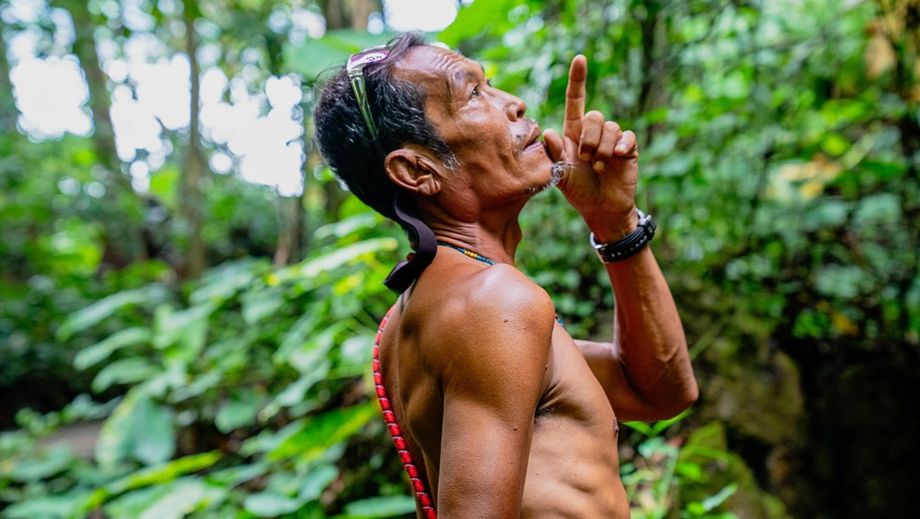 People, communities and connections are at the heart of Sarawak’s vision for legacy.
A
good example is our partnership with the 51st IUPAC (International Union of
Pure and Applied Chemistry) World Polymer Congress (MACRO 2026) to launch the
Zero Food Waste to Landfill initiative. From 28 to 31 July 2026, we will pilot
the programme during one of Sarawak's largest international scientific
congresses. With more than 700 delegates expected, including over 75%
international delegates, it provides the ideal platform to test how large-scale
conferences can reduce food waste without compromising the delegate experience.
We
believe purposeful events don't have to start with big, complicated projects.
Sometimes it's the small, intentional decisions that make the biggest
difference. When many of these actions come together, they create an event that
unlocks new, relevant values for society.
6.
Looking ahead, what opportunities are you most excited about for Sarawak’s
business events industry?
The
most exciting opportunity is Sarawak’s ability to attract larger, more
specialised and higher value business events. Demand is already growing. In
2025, Sarawak secured 160 business events with a total estimated economic
impact of RM483.5 million. In the same year, Sarawak also hosted 159 events,
attracting almost 60,000 delegates and supporting more than 38,000 jobs.
The
next phase is therefore not simply about increasing the number of events. It is
about attracting events that align with Sarawak’s economic and social
priorities, bring influential international networks into Sarawak and create
opportunities for local industries, researchers and communities.
Expanded
venue capacity through Borneo Convention Centre Kuching 2, stronger regional
connectivity through AirBorneo, new international hotel developments and
continued investment in professional capabilities will allow Sarawak to attract
larger and higher-value international business events. At the same time, our
legacy approach gives Sarawak a clear point of difference.
This
article is brought to you by Business Events Sarawak.