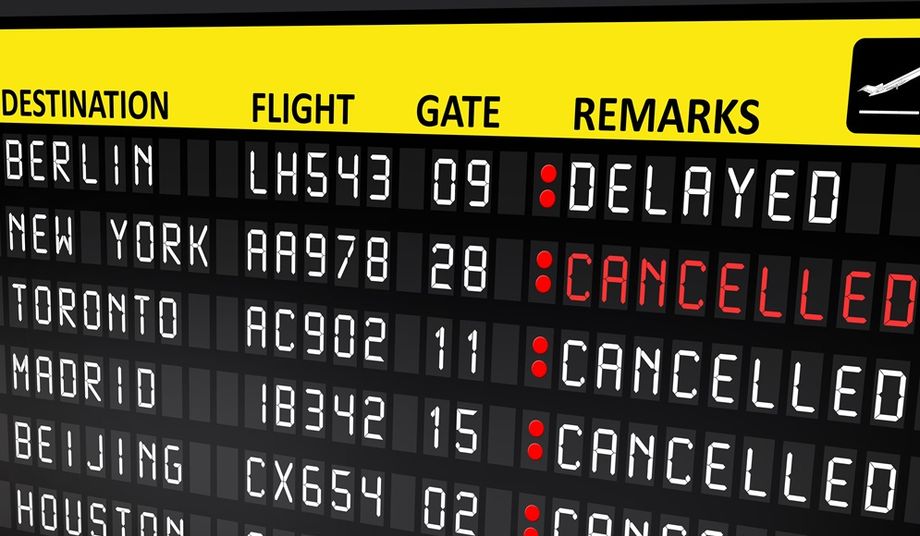
 Disrupted travel plans can lead to larger long-term issues for companies and organisations. Photo Credit: Adobe Stock/adrian_ilie825
Recent global events such as the protests in Bangladesh – and
subsequent toppling of the country’s then-prime minister – have
underscored the fragility of social and political climates. Coupled with
the growing concern around the current mpox outbreak, these issues underscore the potential significant disruptions in business travel and assignments.
New and evolving threats
“Business travel in 2024 has rebounded to pre-pandemic levels, and
the landscape is fraught with new and evolving threats,” said Bala
Selvam, regional security manager at International SOS.
Selvam further listed other factors affecting travel including the rise of misinformation and environmental and health concerns.
“Digital and social media platforms play a crucial role in shaping
perceptions and sparking conversations, but misinformation about safe
routes or the severity of a real-time situation can direct travellers
into harm’s way,” he said.
“Natural disasters can also disrupt travel plans and pose direct
health risks. Additionally, health concerns remain significant,
especially in regions with limited healthcare infrastructure or where
new health risks are emerging. Businesses must stay informed of these
risks and be prepared to provide support to their travellers.”
Of course, the recent CrowdStrike outage
has also been at the top of everyone’s mind, and serves as a stark
example of how tech failure can lead to massive disruptions in travel.
“Such disruptions not only inconvenience travellers but can also lead
to significant financial and operational impacts for businesses.
Companies need to have robust contingency plans to handle such
unforeseen disruptions, ensuring minimal impact on their operations and
the safety of their travellers,” said Selvam.
How can companies assess and mitigate travel risk?
For companies with global operations, it’s become critical to
re-evaluate travel and security protocols, ensuring robust contingency
plans are in place to protect employees and maintain business continuity
in the destination or region, say Selvam.
Some ways of doing this include:
- Conducting thorough risk assessments to identify
operational vulnerabilities and evaluate how unrest could impact supply
chains, transportation, and key personnel, allowing companies to
prioritise mitigation strategies.
- Consulting local experts and authorities to gain insight into the “on-the-ground” situation and identify safe accommodations, travel routes and necessary precautions.
- Developing comprehensive and robust travel policies including mandatory pre-travel briefings and outlining steps to be taken by employees in the event of an emergency.
- Ensuring adequate insurance coverage in line with identified risks.
- Leveraging travel management platforms to track travellers in real-time and effectively communicate potential risks.
- Providing security training to travellers that covers how to react in emergency situations and how to use communication tools to stay in touch with the company.
“Businesses need to fulfil their Duty of Care obligations and also
provide peace of mind to employees and management alike,” shared Selvam.
“By using tools like reliable intelligence sources, allocating funds,
and regularly updating emergency plans, businesses can significantly
enhance their travel risk management strategies, ensuring that they are
well-prepared to handle disruptions and safeguard their employees in
high-risk environments.”