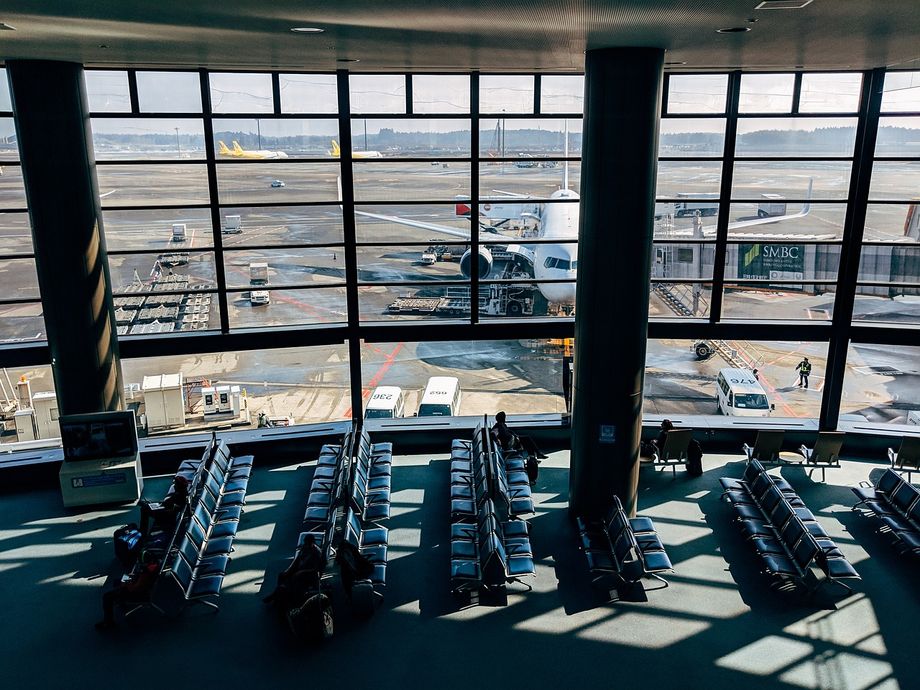
 Limited air capacity and rising ticket prices are redirecting incentive demand closer to home. Photo Credit: Pixabay/viarami
More than two weeks into the Iran–US conflict, limited air capacity on major East–West connecting carriers – Emirates, Qatar Airways and Etihad – and surging airfares between Europe and the Far East have become the most pressing challenges for travel and event professionals.
With longhaul ticket prices soaring – fares on direct Europe-Asia routes have risen by nearly 300%, according to new analysis by FlightsFinder.com – event planners have been scrambling to secure seats amid capacity constraints.
A return economy ticket to Barcelona that used to cost around MYR3,700 (US$939) is now closer to MYR12,000, noted Francis Cheong, group CEO of Aavii Worldwide in Malaysia.
Although all of his longhaul incentive programmes to Poland, Zurich and Barcelona scheduled between March and May are still going ahead, Cheong said planners have had to make major routing adjustments. Groups are switching to airlines such as Singapore Airlines, Cathay Pacific and Japan Airlines, while avoiding carriers that connect through the Middle East.
But not all corporates are comfortable proceeding.
An incentive trip for top-level executives from an Indonesian bank was cancelled due to safety and pricing concerns, according to Teguh Heri Basuki, CEO of Samasta Tour & Travel in Jakarta. The group had planned to travel to Greece and Italy – destinations well outside the conflict zone – but their flights were booked on a Gulf carrier. Switching to European carriers would have pushed the programme beyond budget.
Opportunities for Asia
As travel to Europe becomes more complicated, some industry players see opportunity closer to home.
“On the inbound side, this situation may actually create an opportunity. Southeast Asia could shine, as some companies may shift meetings and incentives to this region simply to avoid flying over the Middle East,” said Cheong.
In Thailand, Jeff Suttiporn Fongmool, managing director of MICE Magnet Asia, has already seen the shift in demand.
“I’m getting enquiries every single day,” he said. “However, the lead times are extremely short now – sometimes we only have one or two days to submit proposals.”
The renewed regional interest is also shining a light on destinations that previously attracted fewer Asian incentive groups. Koh Samui, for example, has seen an uptick as planners search for fresh locations for meetings and retreats.
Looking ahead, Jeff believes that Asian corporates will continue to favour destinations within the region.
For Thai companies in particular, China is expected to attract strong interest thanks to its relaxed visa policies and competitive airfares – a welcome advantage at a time when longhaul ticket prices have skyrocketed.
Confidence in MICE
While the conflict marks the most significant disruption to the industry since the Covid-19 pandemic, many planners remain cautiously optimistic.
“Planners like us are under pressure, but this industry has been through worse,” said Cheong.
“Business has to continue to show results, stopping all business activities is not a solution. Business must go on, but it simply had to find another route.”