 Biophilia can help event attendees feel more relaxed and focused by reducing stress, improving mood, and fostering a sense of calm through connection with natural elements. Photo Credit: Adobe Stock/Lila Patel (Generated with AI)
Biophilia, breathwork, and biohacking might not be everyday words, but as wellness takes centre stage, these concepts are increasingly influencing events.
Biophilia is the idea that humans have an innate affinity for the natural world and that this connection benefits our wellbeing. In event settings, it means incorporating natural elements – think wood, bamboo, living walls, and maximising natural light. The goal? To reduce stress and foster calm.
Consultant Robert Dunsmore explains that biophilic design gives events a more human feel. “[It’s about] bringing the nature of space into our design thinking,” he says. “Living, breathing spaces, natural in materials, creating a legacy for our events. Balancing natural form with function – spaces that duet with pocket or vertical gardens, food forests, and sustainable installations of rewilding that live on beyond our events.”
Unlocking the power of breathwork
In the fast-paced world of events, we often overlook a powerful tool: our breath. Breathwork is more than deep breathing – it's the conscious regulation of breath to influence how we feel mentally, emotionally, and physically. By intentionally working with breath, we can shift from stress and reactivity to clarity and calm.
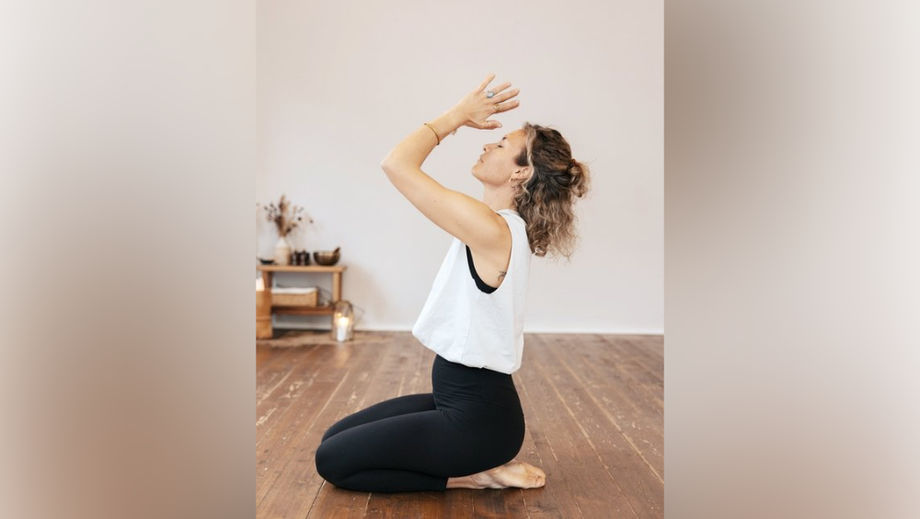 According to Eleonora Lombriser, a breathwork facilitator for events, chronic stress in business settings hinders collaboration but short, guided breathing sessions can restore calm, focus, and connection. Photo Credit: Eleonora Lombriser
“Think of the nervous system as the gear we operate in – it determines whether we’re focused, relaxed, overwhelmed, present, or reactive,” says Eleonora Lombriser, a breathwork facilitator specialising in live events. “In business settings, with back-to-back meetings and looming deadlines, we’re often stuck in a chronic state of alert. We’re ‘on’, but it’s unsustainable. This leads to less cooperation, more self-focus, and disconnection from the bigger picture.”
That’s where breathwork steps in. A short, grounding breathing practice – just three to five minutes – can shift people into the ‘ventral vagal state’: a calm, connected mode where resilience, creativity, and collaboration thrive.
“Humans are wired for co-regulation,” says Lombriser. “The state of one nervous system affects the whole group. If a leader brings calm, others naturally follow. When a team slows down together, the collective benefit is huge.”
She recommends starting meetings with a brief guided breathwork session or scheduling a few short breathing resets throughout the day. No special equipment needed – just presence and a moment to breathe.
“Some may hesitate, especially if they associate breathwork with spirituality,” she notes. “It’s important to present it as a grounded, science-based tool – simple, optional, and surprisingly effective.”
Biohacking for better events
Biohacking involves small, intentional lifestyle tweaks – often informed by data or technology – to optimise physical and mental performance.
“Think self-experimentation meets science,” says David Stevens, co-founder of Olympian Meeting, a wellness consultancy for events. “It ranges from simple changes like adjusting light exposure and nutrition to advanced practices like wearable tech, nootropics, cold plunges, or red light therapy.”
Meetings and events demand energy, focus, and emotional regulation, and biohacking can fuel that.
 Natural light reduces stress, boosts mood and alertness, and supports circadian rhythms, helping event attendees stay energised, focused, and engaged throughout the day. Photo Credit: Adobe Stock/elina
“Integrating movement breaks, exposure to natural light, or neuro-friendly foods into your agenda can dramatically boost how attendees engage and retain information,” says Stevens. “When people feel better, they perform better – physically, mentally, and emotionally. Biohacking can turn a traditional agenda into an energising experience, improving ROI while prioritising human sustainability.”
But biohacking isn’t one-size-fits-all. What benefits one person might backfire for another. Stevens warns of the fine line between optimisation and obsession, especially with devices encouraging constant self-monitoring.
“At events, accessibility and inclusivity are key,” he says. “Not everyone can or should try cold plunges or fast-mimicking diets. The goal is to offer scalable, evidence-based options that enhance wellbeing without pressure or exclusion. Thoughtful curation is critical to avoid overwhelm or unintended harm.”