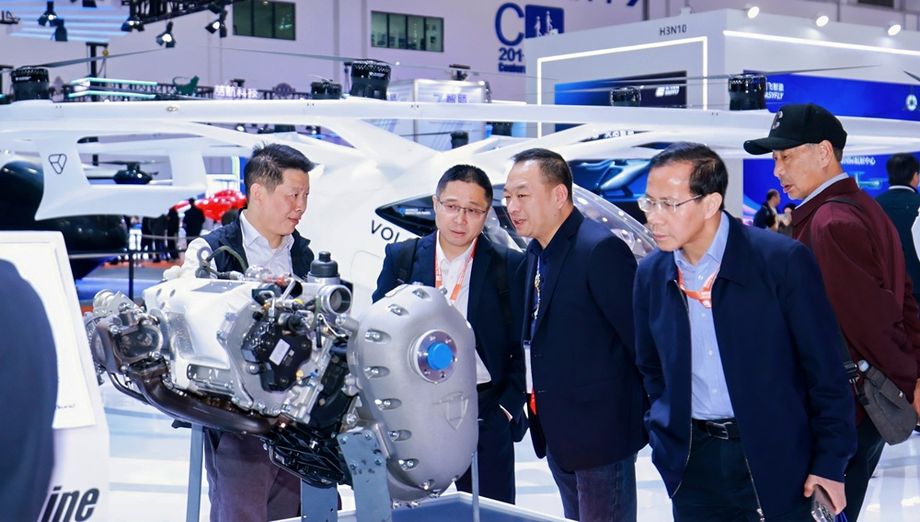
 Event-driven trade is expanding from fair floors into factories.
Factories were once designed to be seen only from the outside – efficient, sealed, and strictly functional. They were the hidden engines of global commerce, places that existed at the end of supply chains rather than within the world of experience.
Today, in sectors such as electric vehicles, robotics, aerospace and precision engineering, special access to factories is playing an important role to drive programme differentiation, provide privileged insights and cement economic positioning, on top of being a continued platform for bilateral exchange.
Against this backdrop, organisations like Messe Frankfurt have long operated at the intersection of industrial exchange and global trade fairs. In discussing how physical site visits complement large-scale exhibitions, Stephan Buurma, member of the board of management at Messe Frankfurt Group and managing director at Messe Frankfurt Asia, emphasises that the value lies in layering experience rather than replacing formats.
“If you pair these expansive platforms with factory visits, that allows visitors to go deeper, providing valuable insights into potential partners’ technology, production processes, products and company structures. These ‘macro’ and ‘micro’ opportunities can and do work hand-in-hand.”
Supplementing content and dialogue
At events such as the 2025 ASEAN Advanced Automotive Manufacturing Summit, delegates were invited to visit production sites in Indonesia as part of broader programme itineraries.
These visits offer direct exposure to national manufacturing capacity and supply chain development, turning factory environments into extensions of formal industry dialogue. Rather than ending in a convention centre, conversations continue on the production floor, where capability can be observed in real time.
Demonstrating economic prowess
At the Hongqiao International Economic Forum (HQF), factory tours serve as an effective way to highlight strategic economic sectors and competitive advantage. Participants have visited facilities including Xiaomi’s EV “super factory” as part of organised field programmes involving industry representatives, think tanks and media.
Bringing trade closer to source
At HawaExpo, a furniture fair in Vietnam, participants are grouped into curated delegations and transported to multiple operating factories, where they engage in guided walkthroughs of production lines, on-site meetings with manufacturers, and real-time discussions around sourcing and capability.
Formal business missions
Industrial MICE is also clearly expressed through structured international business missions.
The EU–Japan Smart Factory Robotics Business Mission is one such example, where participating companies and industry delegates attend structured technical briefings before visiting operational manufacturing sites in Japan’s robotics and automation sector.
These visits are designed for knowledge exchange, allowing participants to observe production systems and engage directly with engineers inside factory environments.
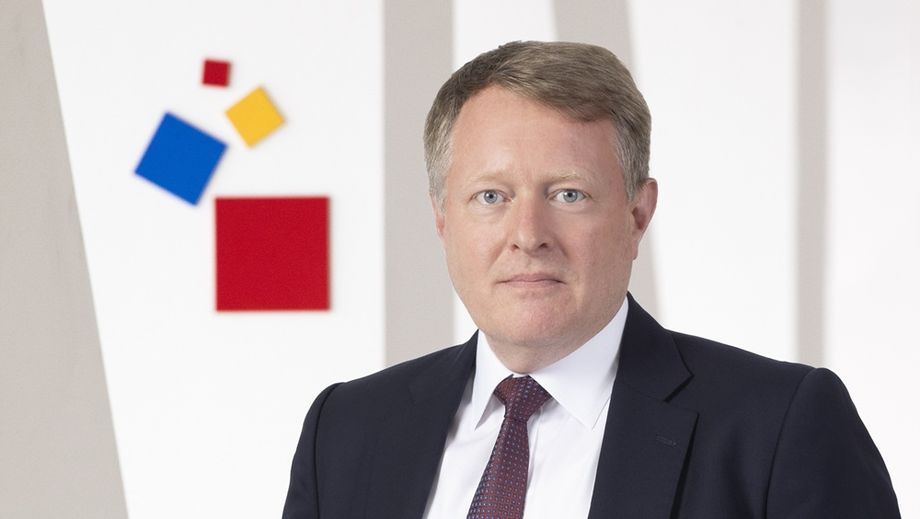 Stephan Buurma, managing director at Messe Frankfurt Asia, discusses the opportunities and challenges of incorporating factory tours into MICE programmes.
Yet the integration of factories into business events and bilateral exchange is not without complexity. “Manufacturers are not always open to receiving visitors or may reject certain visitors from the list, as they can be understandably protective of their machinery and processes,” says Buurma.
“Other challenges include language barriers, factories having to close part of the production line, or the manufacturer showcasing something the buyer doesn’t necessarily need.”
Nevertheless, when these visits are successfully integrated into broader business programmes, the value is significant. “When effective factory visits can be organised in conjunction, buyers can reap the benefits, and often come away feeling they have gained maximum value from their trip – not only have they met with many potential business partners; they have also gained key insights into what makes some of them tick,” he says.