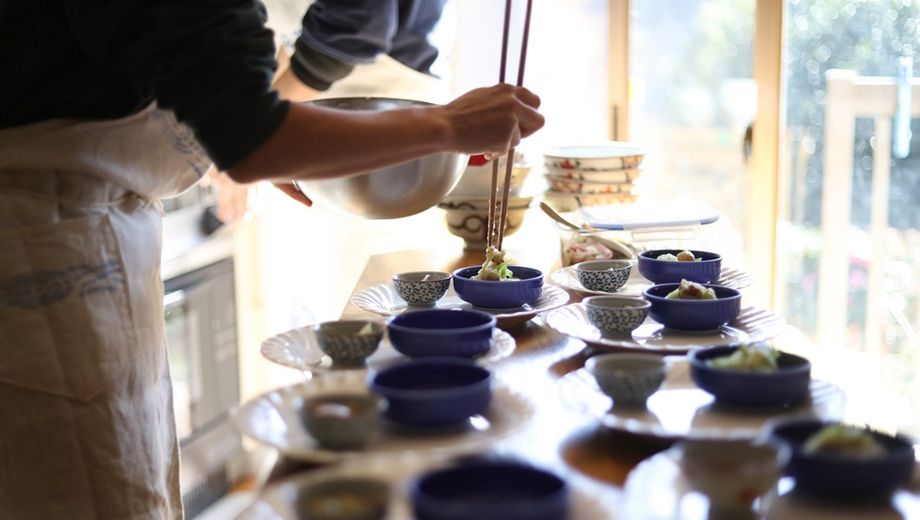
 Small portions of food, when plated well, can feel more luxurious than an oversized entrée. Photo Credit: iStock/yamasan
Gen Z attendees, a desire for ‘premiumisation’ and the trend for daytime networking, are influencing not only the type of food and drinks being served at events, but impacting how it is eaten too.
Presentation as a value multiplier
Expect to see sculptural canapé trays and bespoke food styling that reflects brand identity or venue heritage.
For Shweta Sharma, senior experience designer at BCD Meetings & Events, presentation is becoming one of the biggest value multipliers in event catering.
“Attendees remember how food felt, not just what it was,” she says. “A beautifully plated seasonal dish often feels more luxurious than an oversized generic entrée.”
With a greater focus on portion sizes and minimising excess, presentation becomes even more important. “A small plate can feel high-end when it’s layered thoughtfully, served in unique vessels and paired with intentional finishing touches,” Sharma continues.
“Attendees remember how food felt, not just what it was. A beautifully plated seasonal dish often feels more luxurious than an oversized generic entrée.”
Shweta Sharma, senior experience designer, BCD Meetings & Events
Get interactive
Sharma says that interactive and customisable food experiences remain one of the strongest trends moving into 2026.
“Build-your-own bowls, live pasta stations, dumpling bars and mini taco assembly carts are just some examples of this,” she says. “These experiences turn catering into entertainment and create a premium feel without requiring premium ingredients. Customisation and chef interaction make even simple offerings feel bespoke and elevated.”
Bindra adds that a little theatre and flair can go a long way towards building up excitement and creating a memorable experience.
Share and graze
Communal catering, with more events embracing shared plates, grazing tables and flexible ‘come-and-go’ service styles are also proving popular, according to BCD and UK-based event caterer Bubble.
“This supports networking and makes food feel more social,” says Sharma. “Global and regional authenticity continues to trend strongly with locally inspired menus, heritage flavors and street-food formats done upscale. Guests want food that feels meaningful and rooted in place, not generic banquet fare.”
Daytime networking
More receptions are happening earlier, prompting coffee-to-cocktail moments where alcohol feels less essential.
Zero-proof cocktails are now expected at most large-scale events, with attendees wanting to stay sharp and energised, avoiding a post-drink crash.
While Mandeep Bindra, regional leader Asia, FCM Meetings & Events says the company has yet to see a request with a strict ‘no alcohol’ policy, she notes that responsible catering agendas are being seen in a few RFQs across Asia.
Related: Cheers to a new sober networking scene