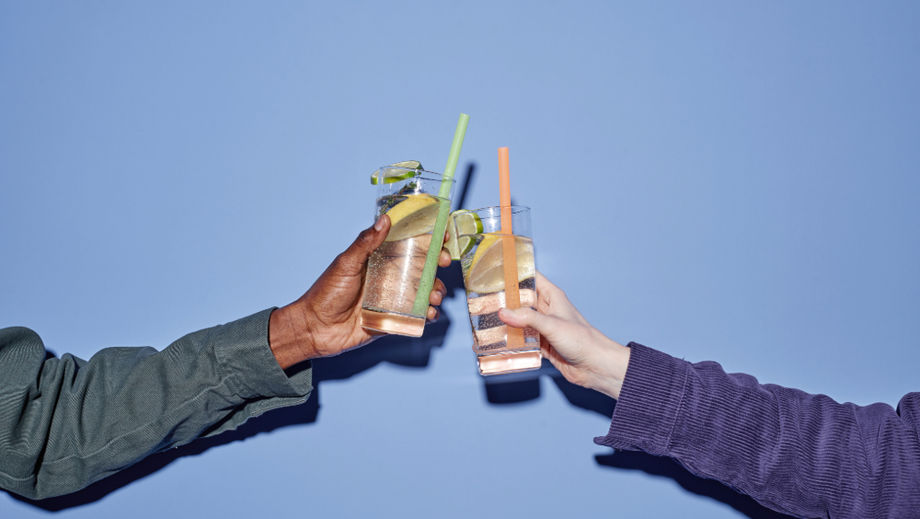
 Health and wellbeing is changing the way young professionals choose to network. Photo Credit: Adobe Stock/Seventyfour
Evolving social norms, such as a greater emphasis on healthy living and the rise in popularity of non-alcoholic alternatives like craft sodas, mocktails and alcohol-free beers, are reshaping the traditional ‘networking with one or more drinks’ format.
Regulatory measures are also playing a role in some destinations. The Straits Times recently reported that nightlife business owners in Singapore have faced increasing challenges due to changes in liquor regulations, including the 2015 Liquor Control Bill, which predates the pandemic. Some venues have also encountered difficulties in obtaining bar or entertainment licenses that permit late-night operations.
Lesser demand for alcoholic events
So what effect are these factors having on networking at events? Xinling Yap, regional account director, Asia Pacific at BCD Meetings and Events, says it is evident that younger people, particularly those in their early to mid-30s, are drinking less alcohol or refraining from alcoholic drinks at events. The intake, she says, has decreased from four to five drinks to one to two drinks, with overall consumption of alcohol at a dinner or networking event having declined. However, the consumption levels of alcohol for celebratory events remain the same.
“The reason behind the drop in demand for alcoholic drinks often relates to [attendees’] desire for a healthier lifestyle, or some might have experienced mild health concerns that require them to watch their alcohol intake,” she explains.
“The reason behind the drop in demand for alcoholic drinks often relates to [attendees’] desire for a healthier lifestyle.”
Xinling Yap, regional account director, Asia Pacific, BCD Meetings and Events
“Most networking venues close at around 10pm–10.30pm for business anyway. Our networking events often start from 6pm and we target to end around 9.30pm to 10pm.”
Despite these changes, event networking remains largely unaffected. Yap notes that most business networking events already wrap up between 9:30 and 10:00 p.m., aligning with venue closing times of around 10:00–10:30 p.m. “If there is indeed a need to extend the hours, most venues across APAC are relatively flexible as long as we are agreeable to the extra charges involved,” she adds.
From casual socialising to purposeful interactions
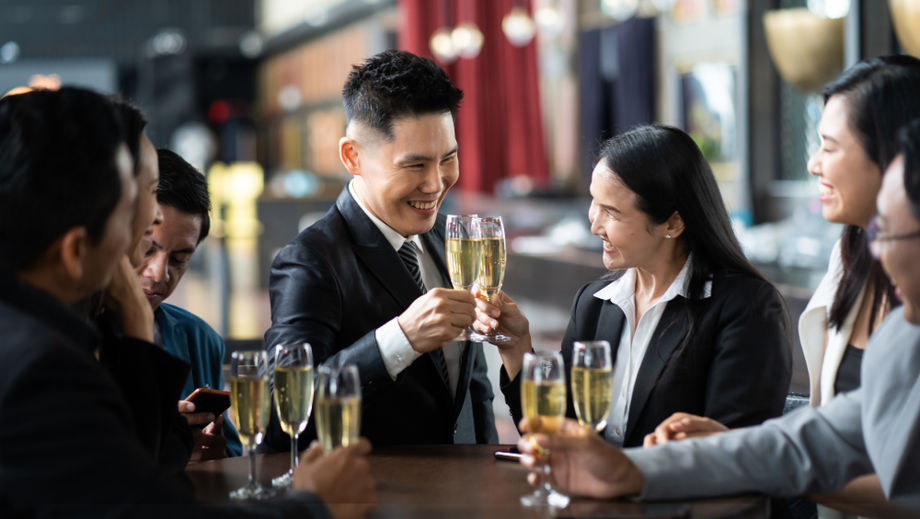 Event attendees are now more focused on purposeful interactions rather than casual socialising, according to observations. Photo Credit: Adobe Stock/NVB Stocker
Brett Han, managing director at iCube Events, highlights a shift in networking dynamics, prompting event organisers to rethink their strategies to foster meaningful connections in a more subdued environment.
Attendees, he says, are now more focused on purposeful interactions rather than casual socialising. Early closure of venues has compressed the time available for networking too, making it challenging for organisers to create opportunities for spontaneous interactions.
“This has been particularly impactful for industries that rely heavily on informal networking, such as the tech, finance and creative sectors, where relationships are often built outside formal settings,” he says.
To address these challenges, Han adds that event organisers are adopting innovative approaches to ensure networking remains effective and engaging, such as shifting networking events to earlier times and incorporating wellness activities, like morning yoga sessions and coffee meetups. “These formats cater to health-conscious attendees and provide a more relaxed environment for conversations,” he says.
Another approach is structuring networking sessions to maximise limited time. “Roundtable discussions ensure that attendees can meet a diverse range of people in a short period, making the most of the event,” Han adds.
“[Early closure of venues] has been particularly impactful for industries that rely heavily on informal networking, such as the tech, finance and creative sectors, where relationships are often built outside formal settings.”
Brett Han, managing director, iCube Events
A focus on wellbeing and experiences
Yap notes a rising demand for events centred on personal growth, health, and mental well-being over traditional drinking-centric events. Cultural events such as music festivals and food fairs also provide unique settings for networking which a younger crowd may be attracted to. These types of events are often less formal, and attendees find it more relaxed and at ease to interact with others.
Some younger people may also be attracted to content that furthers their personal development. Additionally, Yap suggests that inviting key opinion leaders or influencers to evening events can boost participation, especially among younger demographics.
One increasingly popular trend is experiential networking, says Han. Events are incorporating hands-on activities like cooking classes and art workshops.
“These activities encourage collaboration and conversation in a relaxed, non-intimidating setting,” he says. “A group cooking session led by a local chef can break the ice and foster teamwork, while also providing a shared experience to discuss afterwards.”
For evening entertainment, Han adds that mocktail bars with elaborate, Instagram-worthy drinks are a hit, as are alcohol-free tasting experiences featuring artisanal teas, coffees or gourmet snacks. Live entertainment, such as acoustic performances and comedy shows also provides a shared experience that does not rely on alcohol for enjoyment.
This article first appeared in the April-June 2025 issue of M&C Asia as part of the “Cheers to the sober” feature. Click here to read more from this issue.