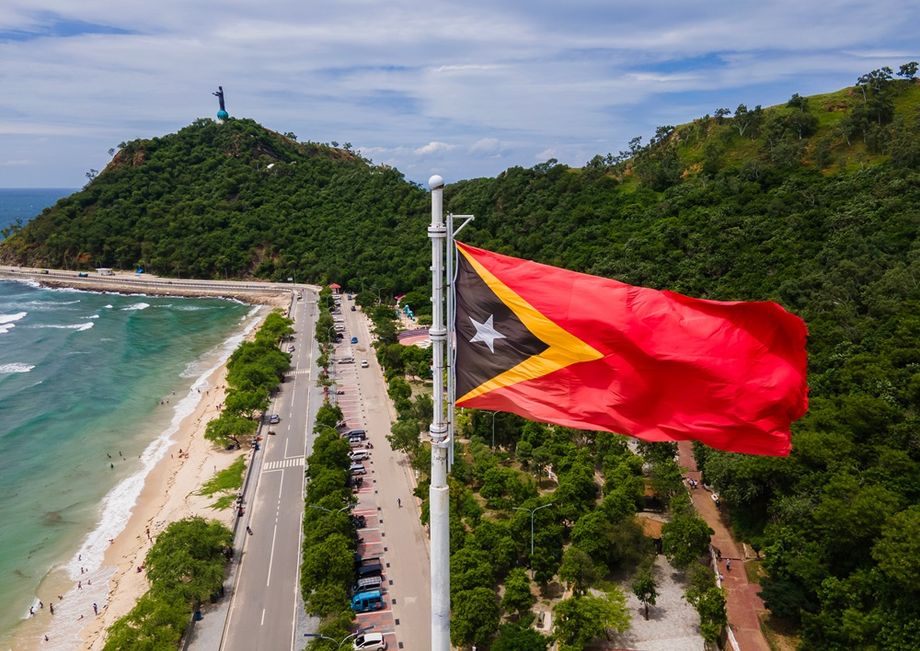
 Nation’s long-awaited entry into ASEAN turns attention to the cooperative core of the bloc. Photo Credit: Adobe Stock/Sony Herdiana
Timor-Leste officially became the 11th member of ASEAN on 26 October, 23 long years after gaining independence from Indonesia, signaling a new era of economic cooperation and travel and tourism opportunities.
As ASEAN chair, Malaysia is hosting the 2025 ASEAN Summit from 26 to 28 October at the Kuala Lumpur Convention Centre. The long-awaited entry of Timor-Leste into the economic bloc is stoking optimism among tourism and MICE players.
Eddy Soemawilaga, president of the ASEAN Tourism Association (ASEANTA), said in a LinkedIn post: “This move opens a new frontier for tourism, collaboration, and connectivity.”
He expects that Timor-Leste will soon attract growing interest for meetings, projects and travel across the region.
Joint destination marketing, policy alignment and connectivity enhancement are on the horizon.
Other ASEAN destinations are also expected to share in Timor-Leste’s greater tourism opportunities and benefits.
“For Indonesia, especially the eastern region, this means new opportunities. Bali will naturally become a key hub and gateway connecting ASEAN travellers and investors to Timor-Leste, boosting regional routes and partnerships,” Soemawilaga said.
Timor-Leste’s Minister of Foreign Affairs and Cooperation, Bendito Freitas, is upbeat about its formal entry into ASEAN in 2025, 50 years since its struggle for liberation. It will deepen cooperation with member states, enhance cooperation and drive economic growth, he told reporters.
The milestone is a major bright spot amid a tumultuous lead-up to the ASEAN summit. Over the past week, activists and opposition party members have taken to the streets to protest US president Donald Trump’s summit attendance. On Friday, around 700 pro-Palestine protestors gathered in front of the US embassy on Jalan Tun Razak, Kuala Lumpur.
While the rallies have been peaceful, they highlight renewed destination priorities as well as pressing risk management, security and tactical intelligence needs in a geopolitically unstable world.
More than 10,000 policemen have been mobilised for duty during the Summit period. Surveillance drones, high-tech closed-circuit television (CCTV) systems, integrated tactical communication systems, and data analytics tools are also being deployed.