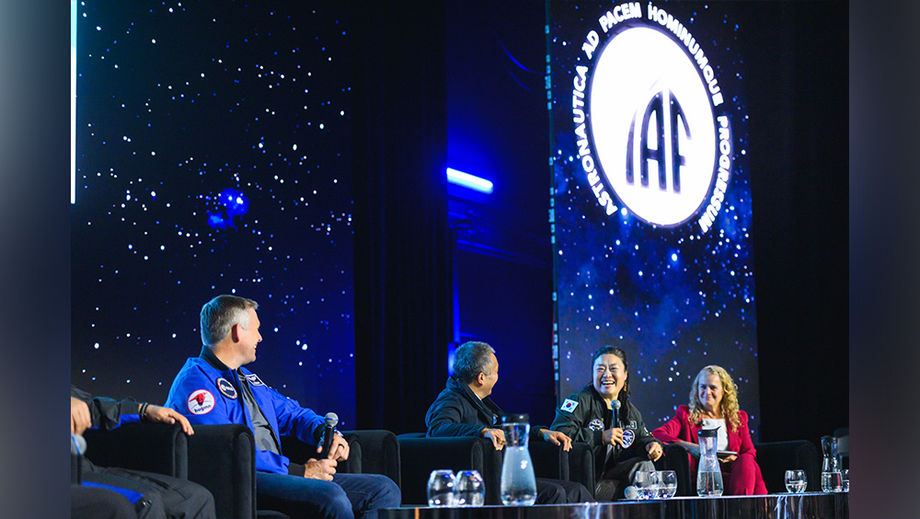
 Balancing content with connection and making sure every element of the event has personality.
Recently, the 76th International Astronautical Congress (IAC) 2025 made a big landing at the International Convention Centre Sydney.
The congress was “once-in-a-generation”, according to Lana Howden, an event strategist who counts the congress, as well as the World Congress on Intelligent Transport Systems and social services, healthcare and not-for-profit partnerships in her portfolio.
For Howden, who found her passion in supporting association events after building her career in some of the industry’s most demanding environments, this event was not only a win for the global community, but a testament of Asia Pacific’s growing influence in attracting major international meetings.
M&C Asia sat down with the associate director – association relations, MCI Australia, to learn about what it takes to pull of a scientific event for over 7,000 delegates and 26,000 total attendees – and make it fun.
The 76th Astronautical Congress sounds like an incredible event and success. How does it reflect Asia Pacific’s growing influence in the international meetings industry?
Howden: It really was a once‑in‑a‑generation event and, honestly, a personal career highlight that I know will stay with me for a long time.
What it proved is there’s real maturity now in how the Asia Pacific community approaches international events. Not just operationally, but in how we collaborate, problem‑solve and adapt together when things get complex.
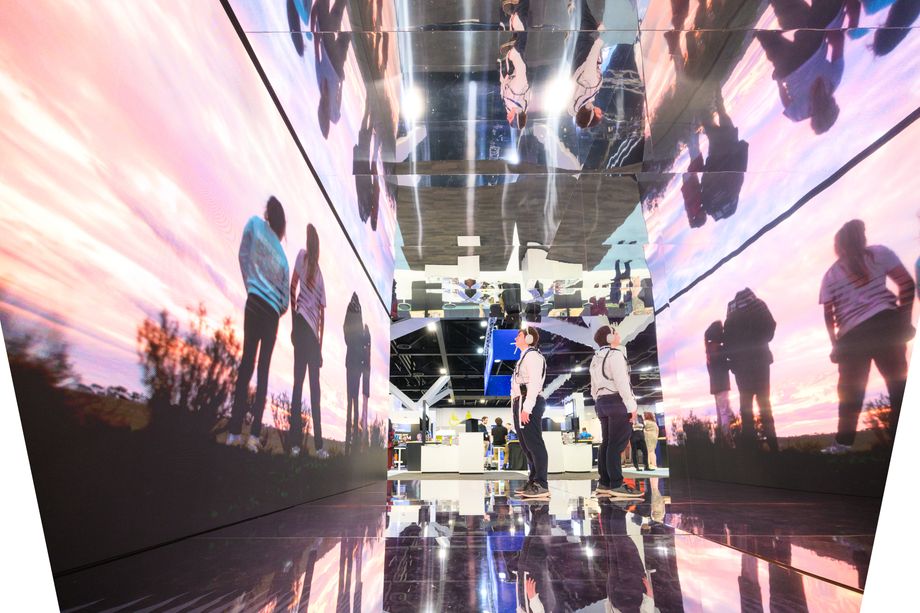 Once-in-a-generation event: only the fifth time the Congress has been held in Asia Pacific in its 76‑year history.
The congress was a great example of that shift – and the results speak for themselves. Every key metric exceeded expectations: attendance, sponsorship, exhibition, abstracts, financial performance – all of it.
It also showed that international congresses held here aren’t just for an APAC audience. We were able to attract a genuinely global community, while also showcasing the incredible capability that exists within our region. This was only the fifth time the Congress has been held in Asia Pacific in its 76‑year history and I genuinely think we gave the industry a very strong reason to return to the region far more often.
What did you do that was different, that event planners in this region could learn from?
Howden: I think the biggest lesson is you don’t have to copy what’s been done elsewhere. If you really understand the purpose of your event, you can confidently adapt it to your market – and that’s where APAC really shines.
We lived by a simple philosophy: delivering a truly global event, with a strong local flavour. We mapped different personas, understood how and when they make decisions, and built a strategy that targeted the right people at the right time.
On the ground, we were also very intentional about balance – balancing content with connection and making sure every element of the event had personality. It wasn’t just about what people learned, but how they felt being there.
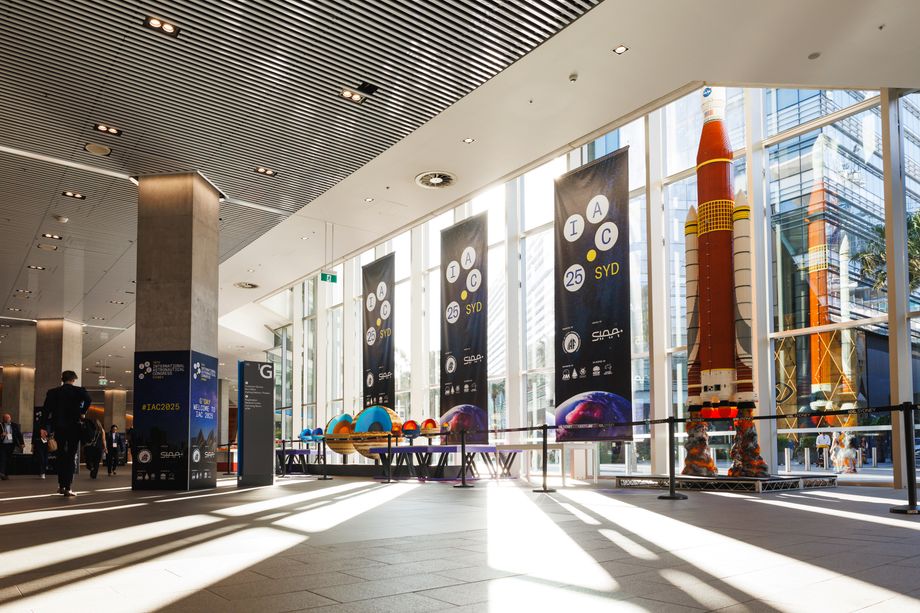 Big ideas that reach for the stars.
You’re presenting the case study at The Meetings Show Asia Pacific next month – give us one reason why event planners should attend.
Howden: I can give you three!
A 10‑metre inflatable astronaut.
A four‑storey rocket ship made entirely out of LEGO.
A street party for 5,000 delegates.
I would say to all attendees, come and see what it looks like when you take highly scientific content and make it accessible, engaging – and genuinely fun – for a mainstream audience.
I would also like to plant this seed with event planners: Have you ever stopped to think about why you do things when you do them? Is it with intention – or simply out of tradition? The session will break down the cycle of event design and explore the art and science of journey mapping - all the way to outer space.
Titled Reaching for the stars: A case study delivering the 76th Astronautical Congress, Howden’s session at The Meetings Show Asia Pacific is scheduled for 13:45 on 14 April.