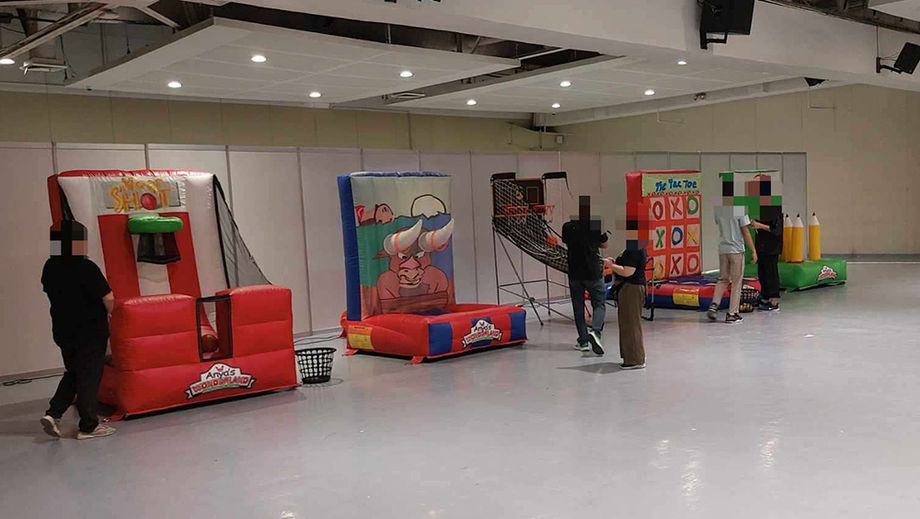
 While promising a packed event space filled with artist booths and merchandise stalls, the reality of the ill-fated Pokéverse expo was a lot grimmer than attendees may have accounted for. Photo Credit: X/BintuRita
Following the infamous Fyre Festival in 2017 and the disappointing Willy Wonka Experience in Glasgow
earlier this year, the hall of fame for events gone wrong has gained a
new inductee. Enter Pokéverse, a Pokémon-themed convention held in the
Philippines that fell terribly short of its promises.
Marketed as the “Premier Pokémon-Themed Expo in the Philippines made
by fans for fans”, the convention made lofty promises of officially
licensed collectibles on offer, Pokémon tournaments, and cosplay
contests, as well as meet-and-greet opportunities with original voice
actors and singers from the series.
However, concerns about the event's legitimacy surfaced even before
the expo began, and attendees quickly realised the stark contrast
between the promises and reality.
Attendees were greeted with delayed start times, massive open areas
with scarce Pokémon-themed activities or merchandise, and a conspicuous
lack of the promised Cosplay Lounge. Alarmingly, cosplayers were forced
to change in full view of attendees, with a "relentless" camera crew
filming the process, making many uncomfortable.
The importance of preparation for events
In a
statement responding to attendee complaints, Pokéverse said: “It’s our
first event with very little time to prepare but we do agree that a lot
of things need to be improved for another season… We appreciate your
participation and will continue [to] take your feedback to do better
next time.”
The organiser further shared that the team was currently
investigating matters, but did not elaborate if they would be removing
videos taken of the cosplayers at the event.
Though it is true that this event was the organiser’s first rodeo,
the ill-fated Pokéverse expo serves as a cautionary tale that any event –
professional or fan-made – requires commitment and ample preparation.
With planners across the APAC region expressing interest in hosting more in-person events, it’s more important than ever to ensure that sufficient time and resources to ensure a seamless event experience – or risk a knockout.