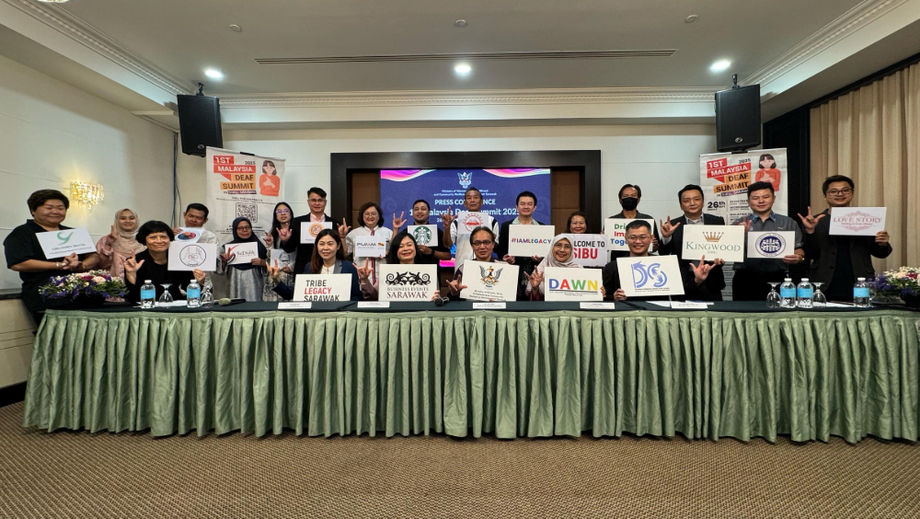
 A first for Malaysia, the Deaf Summit in Sibu focuses on dismantling barriers and amplifying the voices of the deaf community in shaping inclusive policy.
A landmark summit aiming to break long-standing barriers and open new pathways for the deaf community is taking place in Sibu, Sarawak.
The inaugural Deaf Summit, hosted by the Sarawak Deaf Community Services Association (SDCSA), will take place from 26-28 September 2025 at Kingwood Hotel. Featuring the theme ‘Inclusive Futures: Advancing Access and Equity for Deaf Communities’, the summit will explore topics such as inclusive and accessible education, healthcare equity, access to information, interpreting services in public spaces, legal empowerment and policy advocacy and cultural and linguistic preservation. BESarawak collaborated closely with the SDCSA to develop this first-ever summit.
Amelia Roziman, CEO of BESarawak, said that business events should leave a lasting imprint, not just on the industries they serve, but on the communities they impact.
YB Datuk Mohammad Razi Sitam, deputy minister of community well-being development of Sarawak, believes establishing a dedicated platform for the deaf community will create sustained opportunities for integration and empowerment.
“The deaf community has long faced systemic barriers to full participation in society,” he said. “A lasting legacy impact is built on concrete action. Legislative frameworks must incorporate permanent support mechanisms such as structured employment pathways, accessible education systems, and standardised sign language interpretation services across public and private sectors.”
He added that meaningful change is achieved when the deaf community is not just included in conversations but actively shaping policy outcomes that affect their future.
Albert Wong Tuong Chui, president of the SDCSA, expressed his hope that the legacy impact from the summit will translate into tangible action, from strengthening accessibility policies to creating economic opportunities.
He said: “The summit aims to bring together key stakeholders – including government representatives, service providers, civil society, researchers, and members of the Deaf community – to confront these challenges and explore opportunities for systemic reform.”