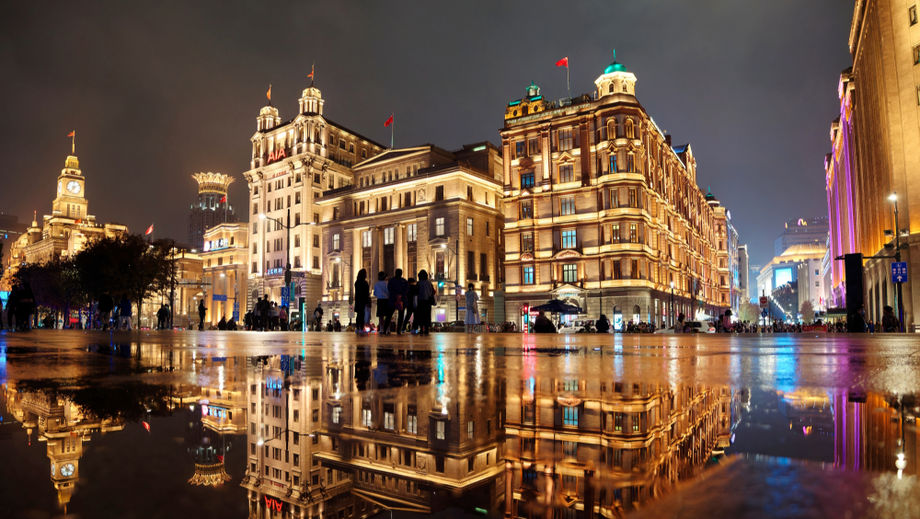
 According to event planners, a retro-themed gala dinner and experience could be a 1920s Shanghai jazz night held at the iconic Fairmont Peace Hotel. Photo Credit: iStock/yanjf
By embracing nostalgia, event planners can design incentive programmes that are meaningful, immersive and budget-conscious, without compromising on impact.
According to Atika Rosli, chief and founder of Beyond Events, nostalgia is a powerful tool in event design, as it evokes emotions, fosters connections and provides attendees with a sense of comfort and belonging.
“For incentive programmes, nostalgia can transform an event from just another corporate gathering into a deeply personal and memorable experience,” she says. “One example of a retro-themed gala dinner and experience could be a 1920s Shanghai jazz night held at the iconic Fairmont Peace Hotel. Guests dress in vintage qipaos and tailored suits while enjoying a menu inspired by Old Shanghai’s glamorous supper clubs. Live jazz bands and classic cocktails like the Shanghai Mule add to the authenticity.”
Old-school transportation can also inject nostalgia, such as a classic train journey aboard Vietnam’s Da Lat railway, a tram experience in Japan’s Hiroshima or a vintage sidecar tour of Macau.
As a theme, nostalgia can often work better with reduced budgets. Rosli says nostalgia-driven programmes often rely more on experience than extravagance, making them ideal for clients looking to create meaningful events without overextending budgets.
“A 1980s throwback dinner, for example, can be just as impactful as a high-end gala but at a fraction of the cost.”
Atika Rosli, chief and founder, Beyond Events
“Rather than extravagant setups, nostalgia-based events focus on evoking emotions, storytelling, and immersive elements,” she says. “A 1980s throwback dinner, for example, can be just as impactful as a high-end gala but at a fraction of the cost.”
Natalie Crampton, director at TEC Events says that Instead of high-adrenaline, ultra-modern experiences, companies are using nostalgia to incorporate elements that evoke familiarity, comfort, and personal connection.
These could include throwback activities, such as traditional team-building games, scavenger hunts or interactive workshops that remind delegates of childhood fun; heritage and cultural experiences, with groups staying in historic hotels, participating in local craft-making, or exploring old towns with a storytelling element.
“Wellness and simplicity is another example of nostalgia-driven incentives,” adds Crampton. Programmes include slower-paced, nature-driven retreats that focus on mindfulness, digital detox, and relaxation – contrasting with the high-pressure corporate world.”
In many cases, she adds, nostalgic and experience-focused incentives can be more cost-effective.
“Nostalgia-driven experiences rely more on creativity and storytelling rather than expensive, high-tech setups.”
Natalie Crampton, director, TEC Events
“By shifting away from high-tech productions and extravagant venues, companies can design simpler, yet more meaningful, itineraries,” Crampton says. “Key advantages include lower costs on production-heavy events; nostalgia-driven experiences rely more on creativity and storytelling rather than expensive, high-tech setups. There’s also an opportunity for more intimate and personal engagement. Smaller, curated activities often replace large-scale, high-cost entertainment.”
Rosli says events that leverage existing cultural or historical elements, such as hosting a welcome event in a traditional village instead of a five-star hotel ballroom, can often be more affordable while offering a richer experience.
“Historic buildings, restored warehouses, and cultural heritage sites often cost significantly less than purpose-built event venues while offering built-in ambiance that reduces the need for expensive décor,” she says.
Nostalgia can extend to food too. As Rosli outlines, traditional, home-style cooking or locally sourced menus tend to be more affordable than elaborate five-course plated meals. A nostalgic street food-inspired dinner, for example, allows for a unique culinary experience at a lower cost than an international fine dining event.