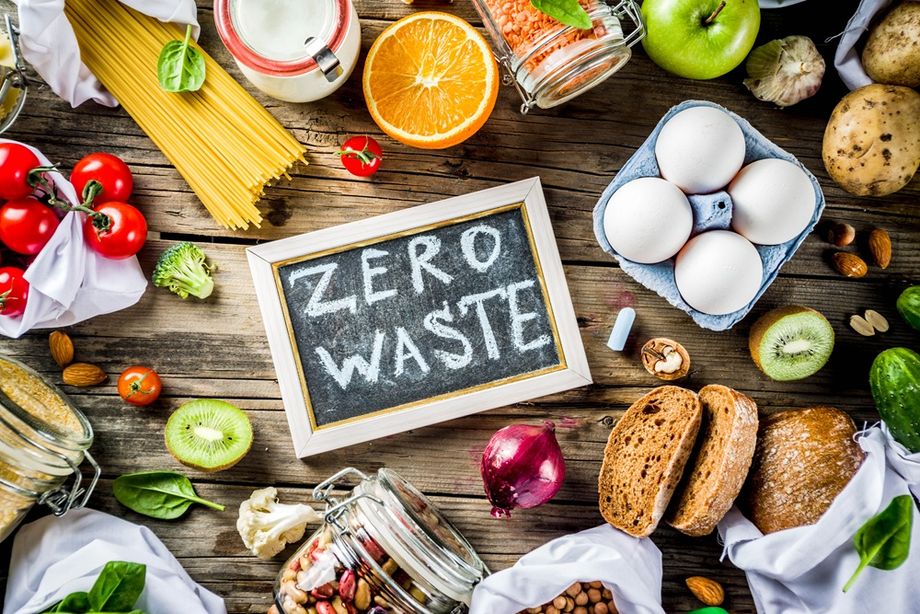
 Photo Credit: Adobe Stock/ricka_kinamoto
Five top tips to minimise food wastage
1. Look for local and seasonal items rather than dishes which rely on imported, and costly, ingredients.
2. Analyse past event data to evaluate what dishes were popular and which were not
3. An accurate headcount is critical to ensure that you are not over-ordering food
4. Have a plan in place for storing leftover food so it can be redistributed appropriately
5. Offering smaller portions or tasting menus allows guests to sample a variety of dishes while reducing waste
In a few years’ time, it will not be possible to run events if you don't show that you have some basic solutions in place to tackle food waste. This is the view of Benjamin Lephilibert, founder of LightBlue Environmental Consulting, a food waste prevention tech and consultancy organisation.
According to Lephilibert, food waste has not been approached in a structured way. “The necessary criteria include reviewing food and waste flows, waste management, working with local partners for food redistribution and transforming organic waste. The all-too-common fear of food running out at events only adds to the challenge. It’s vital that whatever has been produced and not served to customers is kept in the right hygienic conditions, so that it can then be passed on safely to ‘food rescue’ organisations,” he said.
Efforts to tackle (zero) food waste from events must be done incrementally and be embedded in the event strategy, with the main challenge being that the industry has thus far mainly focused on “easy fixes” or “simple redistribution”, added Lephilibert.
Look into the data
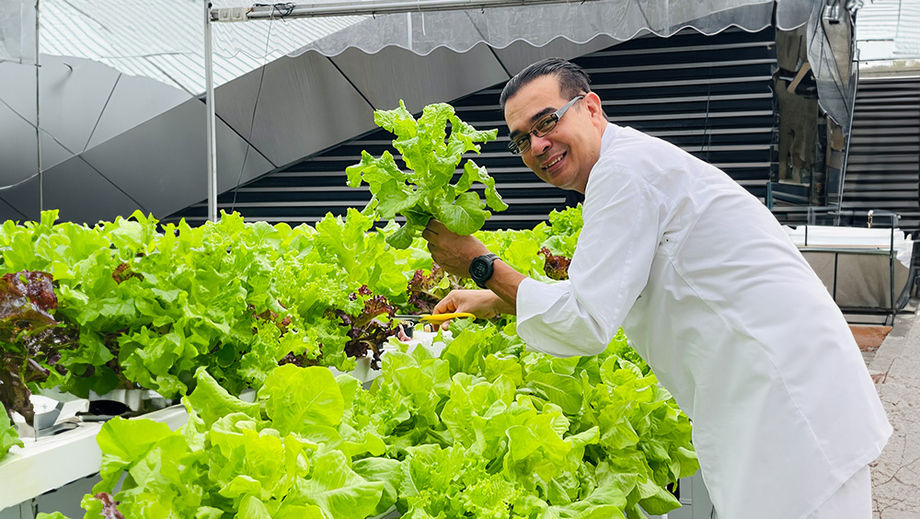 Executive Chef, Hisham Jaafar harvests salad at KLCC's urban farm Photo Credit: Kuala Lumpur Convention Centre
The Kuala Lumpur Convention Centre’s (KLCC) urban roof project helps minimise food waste by allowing for on-demand, small harvests and customised crop production. Fresh produce can be grown and harvested as needed, ensuring only the required amounts are used, reducing spoilage and excess. The project is too small however to supply all the food the venue would need so its main purpose is to inform and educate.
John Burke, general manager at KLCC, suggests that food waste can be minimised by planners verifying with the venue the precise number of guests expected as well as any last-minute changes.
Small adjustments to guest numbers can significantly impact meal requirements, especially for larger events.
John Burke, general manager, Kuala Lumpur Convention Centre
“This can prevent both over-preparation and shortages - small adjustments to guest numbers can significantly impact meal requirements, especially for larger events,” he says. “Having insight into dietary restrictions like allergies, vegetarian or vegan preferences, or cultural food preferences can help refine menu planning and portioning.”
Reviewing data from previous events also offers better predictions of food consumption. If a certain dish was particularly popular or if a specific service style consistently results in higher wastage, this information can help planners adjust accordingly.
Reinventing the buffet line
Buffets can offer diners choice, so that many taste/dietary preferences can be met simultaneously, as well as providing a relaxed environment for networking. While they can be seen as contributing to food wastage, due consideration and management can shift perceptions from good to bad.
Food portion control plays a part here, helping to reduce waste. At JW Marriott Hong Kong, small-sized chafing dishes are used to serve buffets, with chefs monitoring the consumption and replenishing food when needed.
“Apart from keeping the food fresh, such practices can also reduce the chance of preparing excessive food,” says Alles Lee, director of sales & marketing at JW Marriott Hotel Hong Kong.
“Smaller, bite-sized foods such as open-face sandwiches, muffins and mini croissants, which look delicate and enticing, are served for refreshment breaks. Guests can try a variety of items without feeling overwhelmed.”
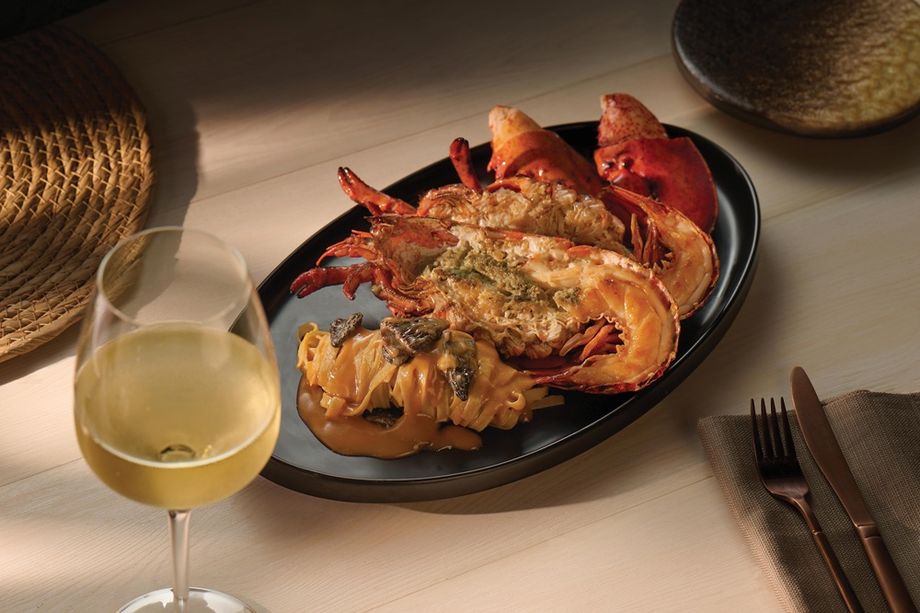 Fettuccine made from pulverised fish bones, served with lobster at JW Marriott Hong Kong. Photo Credit: JW Marriott Hong Kong
Make food the star of the show
Sourcing high-quality ingredients can also make an event memorable, enabling planners to focus on refinement rather than volume.
“Organic and sustainable ingredients are thoughtfully sourced to curate an eco-friendly and low-carbon event,” says Lee. “Seasonal and local produce are also prioritised to support sustainable farming practices and highlight authentic local dining cultures. Locally raised chicken and garoupa, WWF-certified seafood and cage-free eggs are incorporated into our menus.”
Seasonal and local produce are also prioritised to support sustainable farming practices and highlight authentic local dining cultures.
Alles Lee, director of sales & marketing, JW Marriott Hotel Hong Kong
The property has also taken measures to reduce food wastage, such as using leftovers creatively.
“Fish bones are pulverised and blended with gluten-free flour to handcraft an umami-packed fettuccine,” says Lee. “The idea extends to beverages as well - entire lemons, including the peels, are used to create lemonade and watermelon rinds are blended into nutrient-rich juice.”
KLCC uses technology and prioritises local produce which can be delivered frequently, so it does not need to hold excess stock which may go bad.
“Our AI-powered food waste tracking system provides detailed tracking data to help our chefs tweak future menus based on guest taste preferences, making waste reduction both accessible and affordable,” says Burke.