 Accommodating neurodivergent delegates results in increased engagement, where attendees become brand ambassadors. Photo Credit: Adobe stock/annne
Megan Henshall, Global Events Strategic Solutions lead, Google,
shares how planners can make meetings more inclusive for neurodivergent
people. She leads Google’s The Neu Project which offers An Event
Professional’s Guide to Neuroinclusion. We share some highlights:
Sources estimate about 20% of the population is neurodiverse, an
umbrella term for such conditions as autism, ADHD, OCD, Tourette’s and
sensory-processing disorders.
When harm is done
Henshall and her team had dived into research around the effects
meetings have on these groups. She said: “We were overstimulating
people; we weren’t giving them enough breaks. A lot of people left
events exhausted and completely depleted, needing days or weeks to
recover.” Without understanding this, event professionals risk
delivering experiences that reduce inclusivity, decrease attendee
returns, or cause harm.
The benefits
- Boosts creativity - the Project views diversity, inclusion, and
belonging as ways to boost creativity by encouraging different
perspectives and experiences to come together in one space.
- Increased engagement - for events, this could translate into
increased engagement, new ideas, and opportunities for enhanced learning
and innovation by limiting groupthink.
- Differentiating events - event professionals upskill and
differentiate themselves and can lead to more people feeling heard,
understood, and cared for — an outcome many now place at the highest
value.
- Appealing to the young - two of the most prevalent generations in
the workforce - Millennials and Gen Z - say diversity and inclusion are
vital. When people feel they belong, they feel they have a voice.
- New ambassodors - inclusive events build communities where attendees
become ambassadors for brands and event communities because they feel
included.
Address misconceptions
Neurodivergent people have always been present at events. But in the
past, professionals may have overlooked or been unaware of their needs.
With autism, for example, people assume being autistic means being
highly analytical and introverted, which may be true in some instances.
But the opposite also applies — many autistic people are creative and
extroverted.
Neurodivergent people often mask their authentic selves to fit in
with societal norms. Being stereotyped, underserved, and excluded could
be some of the reasons many neurodivergent people deal with depression
and anxiety or have trouble with executive functioning.
Trigger points
When a neurodivergent person’s system becomes too overwhelmed, this
can lead to meltdowns and shutdowns. In general, meltdowns are physical
reactions resulting from stress or sensory overstimulation (visual,
auditory, and tactile overload). For those with Tourettes, any form of
heightened emotion, or suppression can trigger a tic-seizure. This can
be due to positive or negative emotions. A tic seizure can last hours.
Extreme exhaustion, emotional regulation challenges, abrupt changes, and masking can also trigger and contribute to meltdowns.
Meltdowns vary from person to person. A meltdown may not be a tantrum
but some neurodivergent people cannot control meltdowns, and often feel
deep shame for losing control afterward.
Shutdowns, in contrast, are less obvious to others. At times, a
person may withdraw from what is happening around them and disengage,
unable to move from a safe space. Shutdowns can result in a speaking
person becoming non-speaking, which can be painful to navigate at an
event. Either way, both meltdowns, and shutdowns are signs of extreme
distress. Understanding can help event professionals hold space,
support, and accommodate people in the event of either of these
scenarios.
Understand food needs
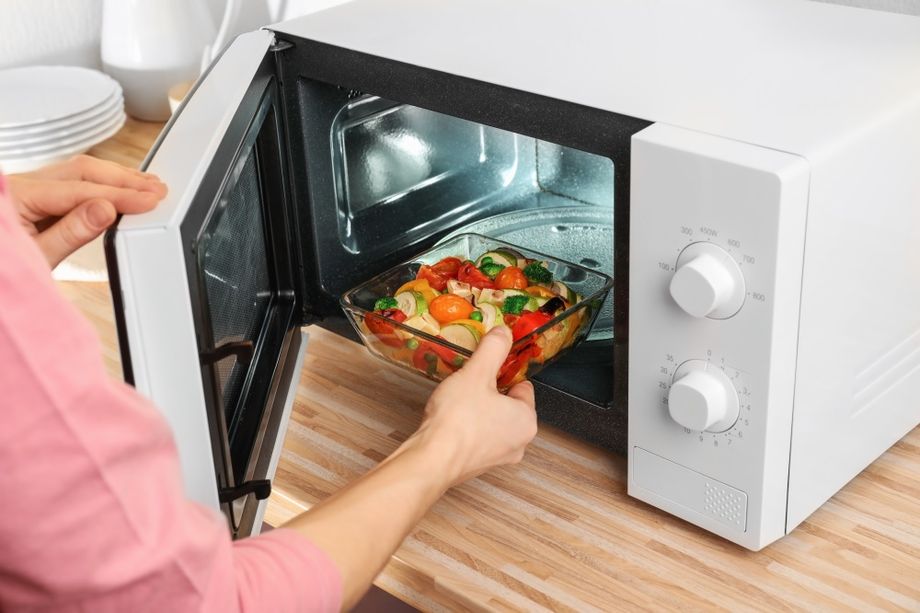 A welcome thought: fridges and microwaves in adjacent spaces for delegates with sensory aversions and allergies. Photo Credit: Adobe stock/Africa Studio
Food can be challenging due to sensory aversions and allergies. It is
important to provide advance notification of F&B options and
offerings to neurodivergent attendees to help them prepare.
Most event professionals already offer special meals that align with
dietary preferences and restrictions, so it is a matter of simply
expanding the language to include neurodivergent needs.
The taste (too sweet, salty, or sour) and textures (passive touch) of
certain foods can produce adverse sensory reactions such as gagging,
potentially leading to anxiety. Generally, this response occurs because
we process food through soft tissues in the mouth. These soft tissues,
in turn, connect to the vagus nerve, which sends sensory signals to the
brain. Such tissues in the mouth can be more sensitive in neurodivergent
people, triggering a gag reflex.
F&B containing caffeine or lots of preservatives and artificial
ingredients can heighten hyperactivity and anxiety. Studies have shown a
possible link with neurodivergent people experiencing more food
allergies or intolerances to components such as gluten and dairy.
It is also considerate to offer an alternative to glass, preferably containers with lids for those with physical tics.
For an extra touch, offer safe food, same foods, snacks, and
beverages which are readily available during breaks, in sensory spaces,
or if an event is overnight, delivered to sleeping rooms.
If personalised meals are not an option, allow people the choice to
bring or arrange their own meals, and consider providing fridges and
microwaves in adjacent spaces.