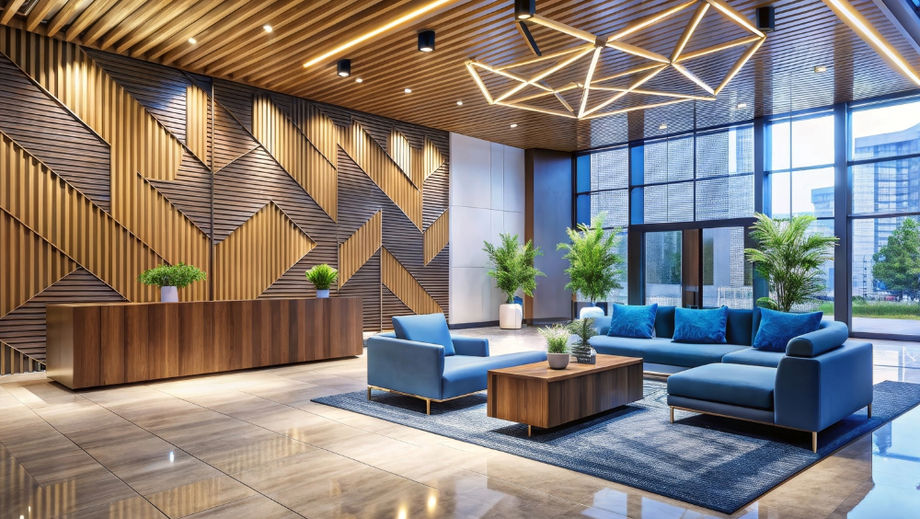
 Event planners are increasingly seeking out unconventional spaces that contribute to a unique attendee experience. Photo Credit: Adobe Stock/BrilliantPixels (AI-generated)
As new trends continue to shape how events are planned and organised, Cvent has identified five key event trends that MICE planners are prioritising in 2025.
Unique venues in high demand
Event planners are increasingly prioritising distinctive and memorable spaces that contribute to a unique attendee experience. According to Cvent, almost 50% of planners in North America and 45% in Europe now prefer unconventional venues, a significant rise from just two years ago. These planners seek spaces that tell a story and create a lasting impression.
Hotels can capitalise on this trend by showcasing their flexible spaces, unique amenities, and tailored experiences. Moving beyond traditional ballrooms, venues such as penthouse suites, rooftops, bars, terraces and even lobbies can be repurposed for smaller events or networking zones. Venue sourcing platforms can also be leveraged to achieve greater visibility, while interactive 3D floor plans and virtual site tours help to demonstrate the potential of these spaces without the hassle of physical representation.
Related: When unique venues steal the show
Accessibility through technology
Creating inclusive events is a growing priority for planners, with the World Health Organisation estimating that 1.3 billion people – 16% of the global population – live with significant disabilities. Ensuring accessibility extends far beyond basic physical features, such as ramps and elevators, and now incorporates advanced technology to cater to all attendees’ needs.
Hotels are increasingly incorporating tech solutions to make events more accessible. Features like virtual captioning, accessible booking tools and assistive listening devices are now common, along with quiet rooms, allergy-friendly catering and sensory-friendly spaces. Event tech providers and local accessibility specialists can help elevate the experience further with add-ons like live captioning and ASL services. Pre-event, hotels can also use registration forms to better capture guests' needs and provide detailed accessibility maps to guide attendees.
Data privacy and security
With global data protection regulations such as GDPR and CCPA in place, data security has become a critical consideration in event planning. Event professionals now assess venues not only for their amenities but also for their ability to protect sensitive information.
Hotels are responding by strengthening their data security measures, automating compliance, and training staff to handle personal information responsibly. Transparency around data privacy practices is essential for building trust with event planners and attendees. Sharing privacy practices with guests and planners helps to improve transparency and inspire trust. “Include a data protection notice in bookings and have contact points for privacy queries,” Cvent advises.
AI adoption in event management
AI is transforming the way venues manage events, from personalising guest interactions to automating logistics. From chatbots handling inquiries to smart pricing models that respond to demand forecasting, applications are taking customer service and operational efficiency to new heights.
AI is also streamlining the RFP process; hotels can now use AI to generate tailored proposals, prioritise high-value leads and accelerate negotiations. Leveraging AI solutions to assist in areas such as guest experience and room management can also help hotels streamline operations and improve logistical efficiency.
Hyper-personalisation of attendee experiences
Attendees now expect personalised event experiences, with 57% of them wanting event summaries tailored to their participation. Hotels can support this by offering bespoke setups, personalised dining recommendations, and local experiences that cater to individual preferences.
While AI can assist by analysing attendee data and providing real-time suggestions, collaborating with CVBs can empower hotels to create custom activity packages based on attendee interests, ensuring a truly personalised experience.