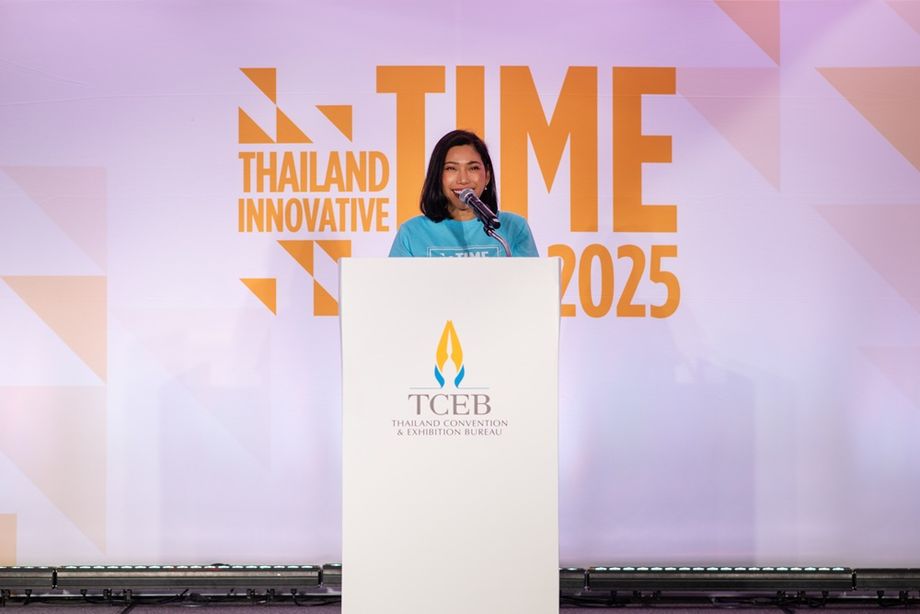
 Organised by Thailand Convention and Exhibition Bureau (TCEB), TIME 2025 took place in Bangkok and Hua Hin from 16-20 June with M&C Asia as the official media partner for TIME 2025. Photo Credit: Chakrawooth Kaewjunthong
Amid geopolitical tension, trade disruptions, and a decline in visitor arrivals from China, Thailand’s MICE industry is contending with significant headwinds. Yet, in times of uncertainty, there is also opportunity to innovate, collaborate, and emerge stronger.
These themes were apparent at the Thailand Innovative Meetings Exchange (TIME) 2025, organised by Thailand Convention and Exhibition Bureau (TCEB), which took place from 16-20 June 2025 in Bangkok and Hua Hin. Held under the theme ‘The Power of Going Beyond’, this year's edition brought together 250 global MICE leaders for open conversations, market intelligence on the move, and immersive Thai experiences that reflected what it means to ‘Meet Well’ in Thailand.
Despite the current economic climate, there are many ways MICE professionals can future-proof and position for long-term success.
Control what you can, and plan for outcomes
Keynote speaker Andrew Staples, principal at GeoPol, addressed a shifting global landscape in his panel, ‘Storm Watch: Global disruptions and implications for Thailand’. He noted the transition from a US-led global order to a more multi-polar world, driven by the rise of China and the BRICS bloc. “We’re not going back,” he said. “A new world order is emerging.”
Staples encouraged businesses to “filter out the noise and focus on the signals”, stressing the importance of controlling what is within reach and preparing for multiple outcomes. “Engage in building competing yet plausible scenarios for your business and sector,” he said. “Ask the ‘what if’ questions.”
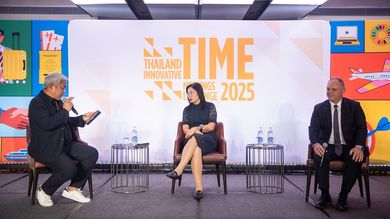 Marriott International’s Brad Edman and Four Seasons and Resorts' Betty Chan speaking at a panel moderated by Realm’s Bert Chamrernnuzit. Photo Credit: Chakrawooth Kaewjunthong
Practise agility over rigidity
Practising control in uncertain times often means being flexible, motivating teams, and leveraging regional opportunities.
Brad Edman, market VP for Thailand, Cambodia, and Myanmar at Marriott International, stressed the importance of pivoting to resilient longhaul markets such as the US, and tapping into regional ones including the Middle East, Singapore, Japan, and Australia.
“We have many competitors out there vying for MICE business – the Philippines and Vietnam are having a very robust year across all segments, including MICE,” said Edman. “Thailand has experiences far greater than these markets put together. We must not be seen as the cheapest market in Asia, but offering great value with great hospitality, great culture, great brands.”
While booking lead times and group sizes have reduced, spending power remains, said Betty Chan, regional commercial director, Four Seasons Hotels and Resorts. “Do clients bargain? Of course – everybody does. But we’re here to provide solutions. It's not just about pricing, but about benefits and value we can offer.”
Put sustainability front and centre – and talk about it
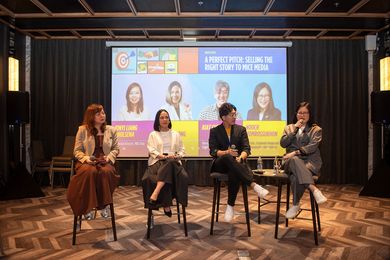 M&C Asia’s Xinyi Liang-Pholsena, Tellscore’s Suvita Charanwong, and Beam’s Kiat Chua talk about the role of storytelling in MICE media in a session moderated by TCEB’s Nooch Homrossukhon. Photo Credit: Chakrawooth Kaewjunthong
Paulomi Debnath, global event sourcing lead at Meetings & Incentives Worldwide, praised Thailand’s renowned hospitality but called for even deeper integration of sustainability and wellness across programmes, particularly in proposals, as corporates put an increasing emphasis on sustainability. “Every client I work with asks about sustainability – even for conferences,” she noted. “Shine your CSR stories, shine your passion projects. It won't be your winning bid, but it adds so much value.”
Mari Yoshikawa of Erick encouraged Thai hotels to share their sustainability stories more proactively: “Japanese travellers might remember Bangkok from 20 years ago – elephant rides and all. Now that’s gone, explain why and share stories like the elephant dung paper. This will impress people and help bring more people to Thailand.”
Keep innovating – but stay authentic and inclusive
While Thailand’s ever-expanding range of shopping, dining, and leisure attractions is a drawcard for many visitors, speakers point out that it’s the country’s deep-rooted traditions and hospitality that repeat visitors often crave. “Keep your wonderful Thainess,” Yoshikawa remarked.
For the Japanese MICE market, which typically books through travel agencies, TCEB Japan representative Kumi Ikeda emphasised the need for regular updates and engagement with agency partners to keep Thailand top of mind.
Thai wellness and hospitality already offer a competitive edge, but inclusion needs to evolve as well. For example, events should consider neurodivergent accessibility – from clear signage to colour contrasts for colour-blind attendees, Debnath stated.
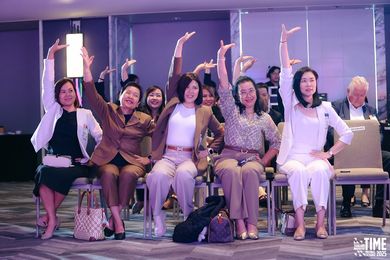 Attendees partook in stretching exercises during the knowledge sessions at TIME 2025. Photo Credit: TCEB
Be an active agent: The power of going beyond
In her opening address, TCEB’s director of meetings and incentives Supanich Thiansing said: “We don’t just want people to meet in Thailand. We want them to stay longer, spend more and come back again.”
But that doesn’t mean simply driving higher spend but delivering higher value to MICE visitors, she added. The goal is for delegates to leave not only satisfied, but genuinely moved by their experience in Thailand – from planning and sustainability commitments to the local culture infused in the event and the thoughtful hospitality.
“We're not just building events, we're building memories,” she said.