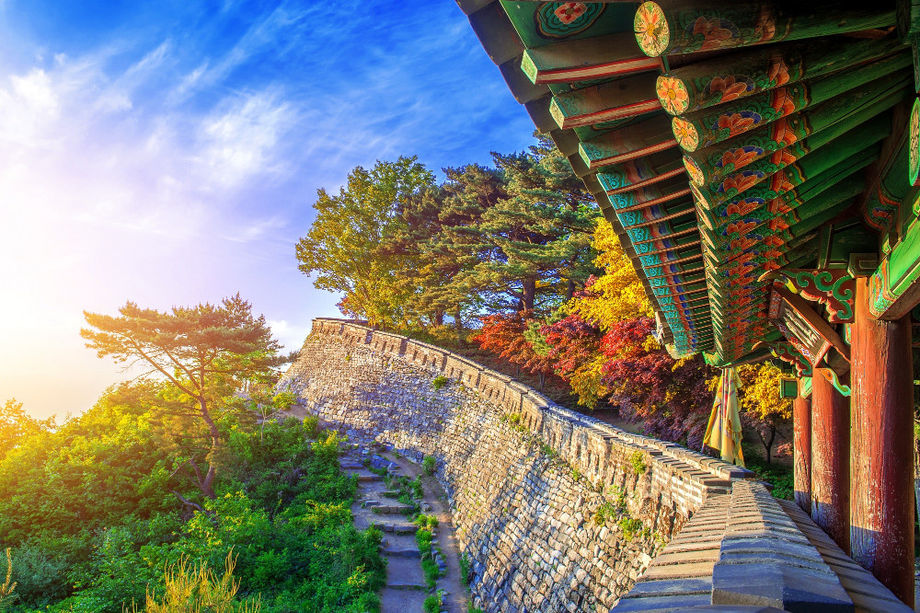
 Gwangju is a city located in South Jeolla Province, South Korea known for its rich political history and its role as the birthplace of Korean democracy.
Discover more of the lesser explored cultural, historical, and
natural wonders that South Korea has to offer with these four cities
under the Plus Cities Support Program for MICE and incentive trip
planners.
Gwangju
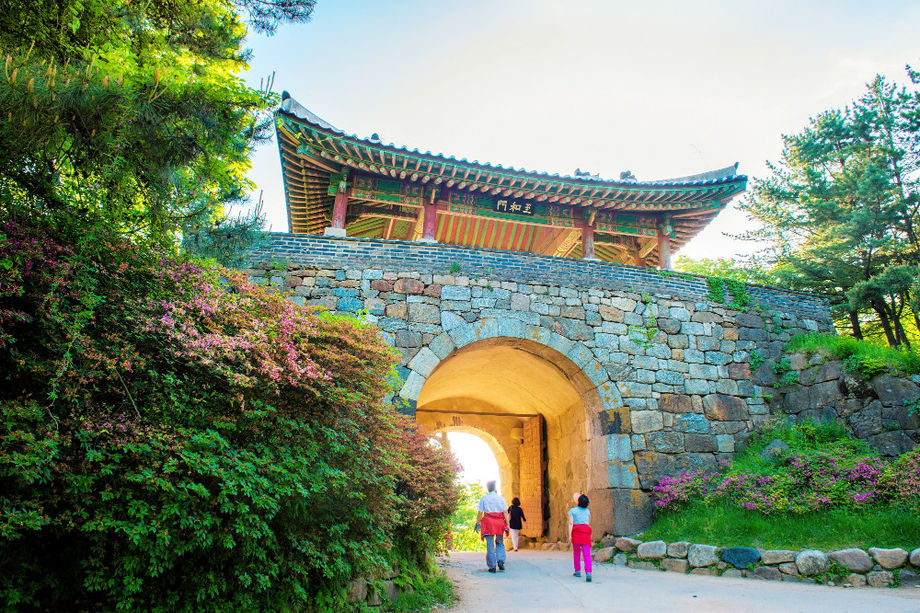 Gwangju offers a powerful political history, a rich cultural scene with museums, exhibitions, and festivals such as the Gwangju Museum of Art, Gwangju Folk Museum, and Gwangju Biennale Exhibition Hall. Photo Credit: Adobe Stock/tawatchai1990
Touted as the birthplace of Korean democracy, Gwangju boasts a
powerful political history and has been long revered for its creative
culture that continues up to this day, evident in its myriad of museums,
exhibitions and festivals such as the Gwangju Museum of Art, Gwangju
Folk Museum, Asian Culture Complex and Gwangju Biennale Exhibition Hall.
Gyeongnam
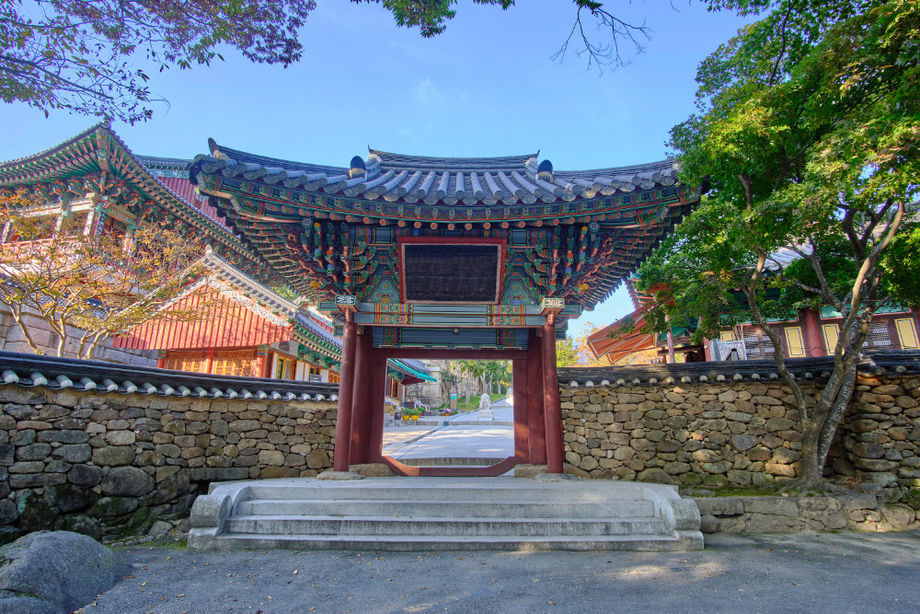 Gyeongnam blends city life with coastal beauty, allowing visitors to experience both the cultural and natural side of South Korea. Photo Credit: Adobe Stock/Petr Zyuzin
Also known as Gyeongsangnam-do, Gyeongnam will both awe delegates
with its mix of city life and beautiful coastal towns while also
deepening their understanding of the Korean culture with enchanting
temples tucked away in hidden locations that corporate groups of up to
40 pax can book a one-night stay at, natural splendour in Jirisan
National Park, lush rice paddy fields in rural areas and marine
adventures off the coast.
Jeonbuk
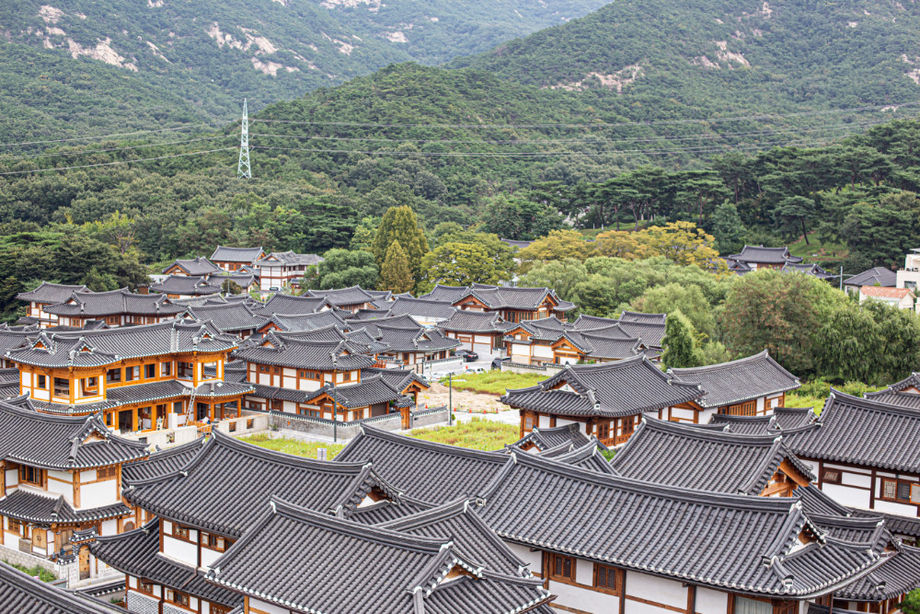 Jeonbuk offers old-world charm and is known as the "city of gastronomy”. Photo Credit: Adobe Stock/bong
Steeped in old-world charm, the small south-western province of
Jeonbuk, or known among locals as Jeollabuk-do, houses the UNESCO-listed
‘city of gastronomy’ Jeonju. The fresh produce cultivated in this
fertile green province is what contributes to the destination’s
reputation as South Korea’s number-one foodie destination. Beyond the
beautiful agricultural landscapes, delegates can look to walking back in
history at Jeonju Hanok Maeul, a village with 800 traditional wooden
homes; scaling the steep peaks of Naejangsan National Park; skiing on
the slopes of Muju and catching the sun rays at the beaches on the West
Sea.
Chungbuk
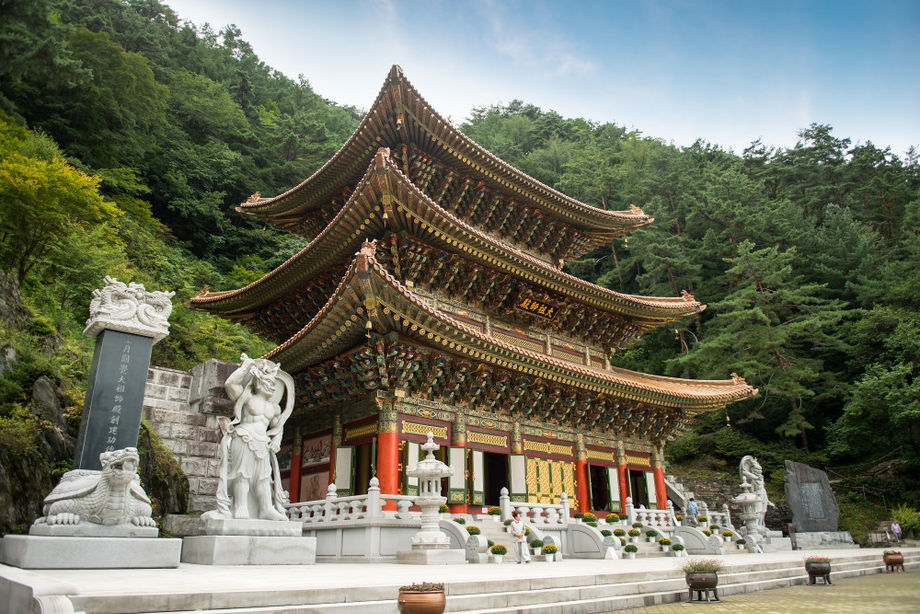 Chungbuk is a mountainous region that showcases hidden historic sites coexisting with nature. Photo Credit: Adobe Stock/Joseph
Formally named Chungcheongbuk-do, this landlocked mountainous region
is famous for its hidden historic gems that coexist harmoniously with
nature. Give delegates a respite from the stresses of big city life by
descending into the otherworldly caverns of Gosu Donggul or visiting a
Buddhist temple enveloped within a steep valley and flanked by imposing
mountain slopes.