Global travel management company FCM is marking its 10th year of
operating in Japan by opening a new, dedicated Tokyo office as part of
its decision to have more skin in the game in the world’s fourth largest
business travel market.
Last September, it took a majority stake in NSF Engagement, which is a
joint venture between Sony and NTT, the Japanese telecommunications
giant.
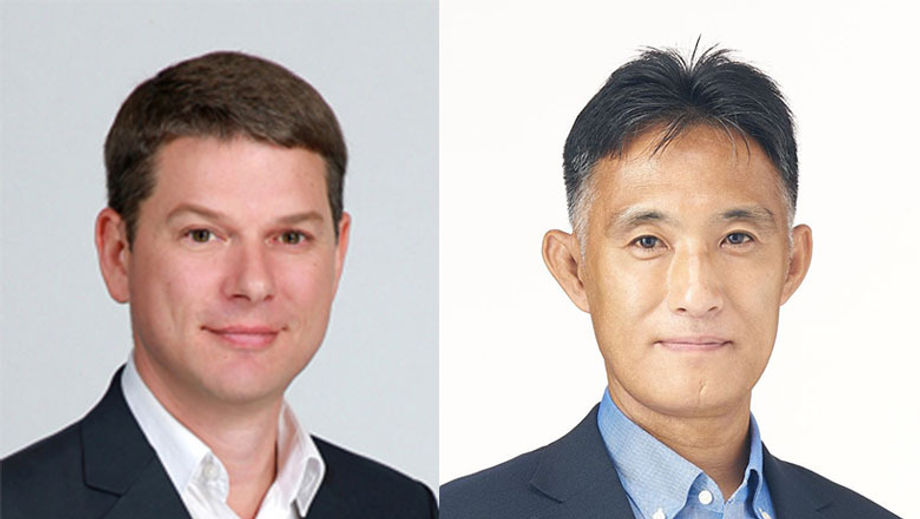
Bertrand Saillet, managing director for FCM in Asia, said the
decision to expand in Japan was driven by evolving customer
requirements, while recognising considerable business development
opportunities the country offers.
“Japan is without a doubt an exciting and dynamic market for business
travel. Not only are we seeing strong demand from existing customers,
prospects across Asia are also expressing strong interest for TMC
support too. To harness the growth potential and capitalise on this
trajectory, we are pleased to have solidified our presence while
bringing onboard a slew of local talents to our Japanese team,” said
Saillet.
Saillet added that this approach was especially timely as business
travel continues to ramp up at pace while new challenges and priorities
for travellers emerge. “Unsurprisingly, following the progressive
opening of Asian countries these past months, we are experiencing strong
demand for business travel from companies keen to make up for lost
time. We have therefore, looked to refocus, prioritise customer needs
and identify ways to offer superior experiences.”
As a FCM operated and owned office in Japan, clients will be able to
tap into new solutions designed for the local market as well as access
to the global FCM Platform.
Kenichi Shiraishi, general manager, Japan for FCM highlighted a
number of areas where he believes the company will fill market gaps. “We
are going in with a two-prong strategic approach: first we will
increase our direct-to market engagement throughout Japan to elevate our
reach. Simultaneously, we will be extending the opportunity territory
to global companies with Japanese operations.
“Although companies continue to believe they can drive strong
business growth through resumption of face-to-face connections, we also
see them putting more emphasis on risk management and operational
improvements in technology and service as cost reduction becomes
relatively muted,” said Shiraishi.
Even though Japan is the world’s fourth largest business travel
market, FCM’s research shows there is still significant scope for
business development. Less than 15% of Japanese companies currently use
TMCs, with business travel mostly managed in house.
Of the 818 Japanese travel managers who are currently not working
with a TMC, 88% indicated a pressing need to digitalise business travel
arrangements. This also included an emphasis on risk management, with
81% believing that business travel would be arranged more easily and
safely through a qualified, company-designated agency.
“While risk-reporting and flexible technology capabilities are now
bigger requirements for companies in Japan, at the top of their priority
list is local fulfilment of travel demands. As a market with very
distinct local cultural nuances, we are addressing needs such as service
delivery solutions in Japanese language support with Tokyo-based
customer success teams who operate 24 hours, seven days a week, 365 days
a year; and strong demand for Japanese domestic content for air and
land through local partnerships,” added Shiraishi.
Source: WiT