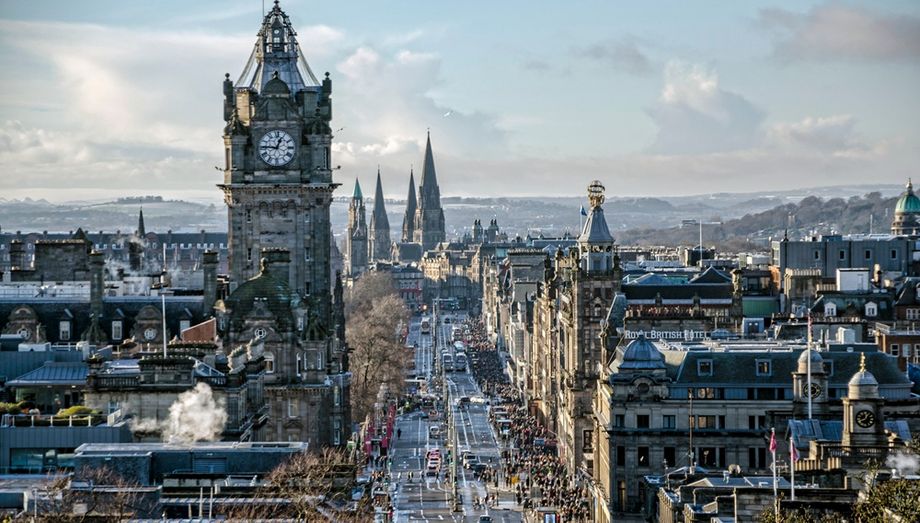
 Edinburgh is the first to charge a visitor levy to fund its convention bureau; while Manchester and Liverpool have implemented voluntary versions since 2023. Photo Credit: AdobeStock/RodrigoVA
Scotland’s capital is set to become the first city in the UK to fund its convention bureau through a mandatory tourist tax – or ‘visitor levy’ – in what could herald the start of major changes to how cities across the country attract business events and conference tourism.
The future of Business Events Edinburgh was secured for the next three years after it was promised £400,000 (US$539,146) per annum from the levy, which will be raised by hotels adding a five per cent surcharge to guest room bills. Additional funding (£125k-£165k per annum) is expected to come from industry through a tiered membership system, with venues and other suppliers chipping in.
The move comes as other Scottish cities - including Glasgow and Aberdeen - mull plans for their own levies and as the UK government weighs up giving city mayors and local authorities in England powers to raise visitor levies - a scenario fiercely opposed by hospitality groups who fear tourists will stay away if the cost of accommodation becomes prohibitive.
Both Manchester and Liverpool have been supporting their respective convention bureau through a voluntary version of the visitor tax since 2023. These have been raised through ABIDs (Accommodation Business Improvement Districts) where hotels above a certain rateable value have voted to add a small charge (£1-£2) to guests’ bills to help promote their respective cities.
The money raised in Manchester goes into a subvention pot, administered by the convention bureau, to attract large international business events, while, in Liverpool, the destination marketing organisation that houses the bureau receives £1m per annum from the ABID.
The Edinburgh visitor levy, on the other hand, is a statutory tax on accommodation introduced under the Visitor Levy (Scotland) Act, effective from 24 July 2026, a small share of which will help fund the bureau until 2029. The levy will be restricted to the first five nights of each stay and will only be added to the cost of accommodation.
The announcement was welcomed by business events leaders in Edinburgh where the future of the convention bureau has been uncertain. For several years it was run by the EICC, the city's biggest convention venue, before being taken back in-house by the council on a budget of just £150,000 a year.
In England, trade bodies have stepped up their campaign against proposed changes that would enable local tourism taxes. More than 200 senior figures from across the hospitality sector have written to Chancellor Rachel Reeves calling for the proposals to be dropped.
Co-ordinated by the industry group UKHospitality, the letter argued that a charge of £2 per person, per night could add more than £100 to the price of a two-week UK family holiday. The signatories warned that higher costs could drive families to take trips abroad instead, putting domestic jobs at risk and reducing the economic benefits tourism brings to local areas.
Meanwhile The World Travel & Tourism Council (WTTC), which represents the private sector in the Travel & Tourism industry, has published new research which highlights the damage that, it claims, would be done to the UK economy if new visitor levies are introduced.
The research findings, conducted among 2,502 people by WTTC and research agency GSIQ between 7th and 11th February, found that, of those interviewed in the largest visitor source markets to the UK – from the USA, France and Germany – 29 per cent would consider alternative destinations or decide not to visit the UK if a tax of €10 was introduced.
A substantial drop in visitors to the UK would have a fundamental impact on the economy, the WTTC has warned. In 2027, the reduction in visitor spend from all international source markets could amount to GBP £14.4billion if the tax were set at €10.
Gloria Guevara, WTTC’s president and CEO, said: “Our research couldn’t be any clearer – proposed visitor taxes would lead to a slump in international visitor numbers to the UK, as well as far fewer domestic visitors to popular English destinations. Billions of pounds will be wiped from the UK economy, leading to much higher unemployment, especially among small shops, restaurants and suppliers to the hospitality sector.”
UK Hospitality Scotland remained opposed to a visitor levy. Leon Thompson, executive director, said: “At a time when the country desperately needs economic growth, making holidaying and visiting Scotland more expensive through tax is counter intuitive and I would encourage local authorities to consider the impacts of a levy carefully.”
Source: AMI Magazine