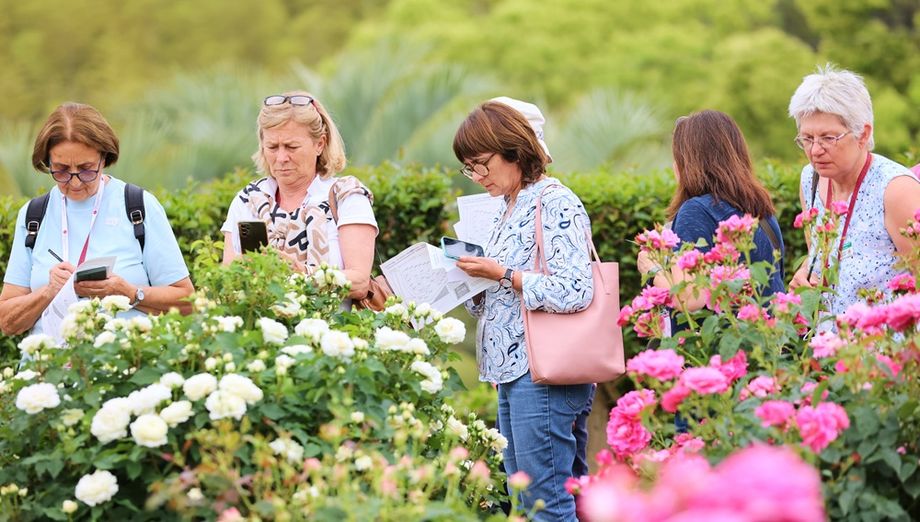
 From rose conventions to fishing traditions, Japan is turning business events into catalysts for regional renewal and community impact. Photo Credit: JNTO
From rose-themed conventions that mobilise hundreds of volunteers to beach fishing experiences that seed new centres of academic excellence, Japan's approach to business events is defined by what endures long after delegates have departed.
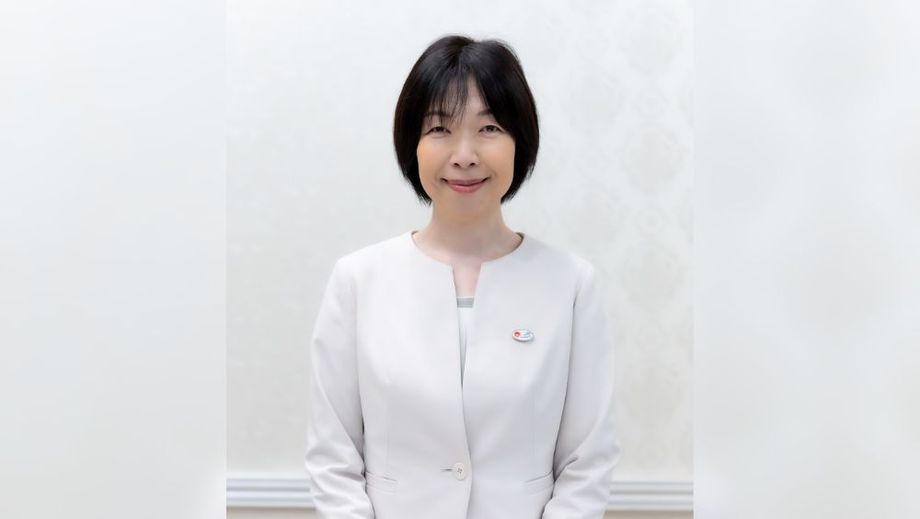
As part of M&C Asia’s cover story on legacy in business events, Mariko Tatsumi, executive director of the Japan Convention Bureau, a division of Japan National Tourism Organization (JNTO), explains how the country's remarkable regional depth, community partnerships and culture of local collaboration are turning international conferences into catalysts for lasting change.
How are events contributing to regional revitalisation and dispersal beyond Japan’s major cities?
One of Japan’s key strengths is the depth and diversity of its regional destinations. According to the 2024 ICCA statistics, 16 cities in Japan ranked among the top 100 in the Asia-Pacific region for hosting international conferences. This demonstrates one of Japan’s key strengths: the presence of many cities equipped with well-developed infrastructure capable of smoothly hosting international conferences.
Across Japan, international conferences are organised around the academic, industrial and research strengths unique to each region, while participants are given opportunities to experience distinctive local culture, traditions and natural assets. JNTO has compiled these regional strengths into dedicated publications to help planners identify the right destination for their event.
“One of Japan’s key strengths is the presence of many cities equipped with well-developed infrastructure capable of smoothly hosting international conferences.”
Mariko Tatsumi, Executive Director, Japan Convention Bureau
M&C Asia: How do local convention bureaus and stakeholders collaborate to support legacy outcomes?
The story of Fukuyama City illustrates what is possible when a destination leans fully into its identity. After World War II, the city planted 1,000 rose bushes across its parks as a symbol of reconstruction and peace, building its entire community brand around the rose. That heritage became a powerful asset when Fukuyama successfully bid to host the World Federation of Rose Societies 20th World Rose Convention in 2025 – and hosting the convention, in turn, deepened that identity further.
The event acted as a catalyst for local industry innovation in Fukuyama City, spurring the development of sustainable products made from pruned rose branches woven into denim fabric. More than 200 citizen volunteers supported operations and engaged directly with international participants. The result was a convention that residents came to think of as their own, deepening public understanding of and engagement with international conferences.
Legacy in action
At the 8th Global Symposium on Health Systems Research (HSR 2024), delegates participated in a study tour examining how drone technology is helping address remote healthcare challenges faced by island communities.
At the 18th Asia-Pacific Conference on Giftedness, delegates joined local fishermen in a beach seine fishing experience designed to connect participants with regional resources and traditions. The initiative later contributed to the establishment of the Centre for Gifted Education and Talent Development (EU-GATE) at Ehime University.
What opportunities exist for planners to incorporate cultural and community elements in a way that creates meaningful and respectful legacy?
Local convention bureaus, established in cities throughout Japan, are an invaluable resource for planners seeking to go beyond the generic. One organiser reported that chopsticks engraved with the conference name were used at the banquet and given to participants as souvenirs – a simple gesture that proved deeply memorable. That same organiser's advice: consult your host city's convention bureau in delivering a “memorable conference”.
The local convention bureaus can offer a wide range of impactful ideas, including venues and attractions that make use of regional traditional culture and natural assets. In addition, initiatives carried out in collaboration with local communities – such as hosting reception parties that utilise local shopping streets as event venues – are being implemented in various regions across Japan.
JNTO also provides planners with useful information through publications and its website, including details on sustainable initiatives undertaken by cities throughout Japan as well as resources such as “By the Numbers”, which presents Japan’s distinctive features and strengths in numerical form. We encourage planners to make full use of these resources.
JNTO annually selects and honors outstanding examples of international conference bidding and hosting through the Japan Conference Excellence Awards. Each awarded conference is recognised for its initiatives undertaken in collaboration with local communities as well as its efforts in nurturing the next generation, and all of them have left an excellent legacy.
This story is part of M&C Asia’s April–June 2026 cover story exploring how business events across Asia Pacific are creating lasting legacy and impact. Click here to read more from this issue.