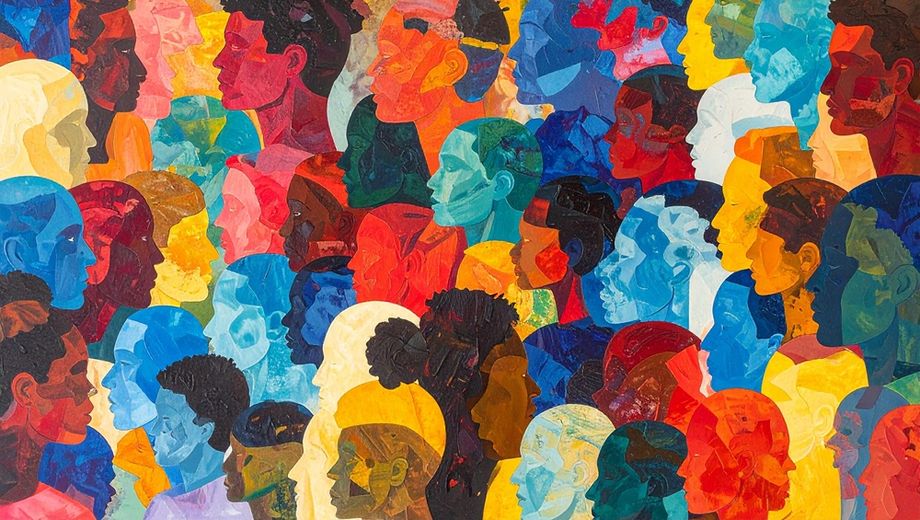
 Understand people, culture and context for tangible event outcomes in a diverse region. Photo Credit: AdobeStock/Dianisha
International planners bringing events to Asia must recognise cultural diversity if they want better event outcomes. That was the message from BCD Meetings & Events' vice president, production and creative, BCD Meetings & Events, Taylor Smith, and SVP and managing director, Asia Pacific, Sanjay Seth.
APAC is “a mosaic, not a monolith”, Smith described during the Global Events, Local Markets: Tailoring for APAC Diversity session at The Meetings Show Asia Pacific 2026.
Cultural expectations, social customs, business etiquette, food preferences and even scheduling norms vary significantly across the Asia Pacific region. What works in New York may not work in Tokyo or Jakarta.
While a global events playbook can still be a guide, success in this diverse region lies in balancing global strategies with local relevance. Beyond replication, understanding people, culture and context can improve engagement and delivery for tangible event results across the region.
Case of the travelling golden arches
Seth illustrated this with a familiar example: McDonald’s.
“In India, because of religious considerations, you don’t have beef burgers on the menu but a veggie burger. In Japan, shrimp burgers feature on the menu in a culture that prizes freshness, he added.
“The menu differs across countries, but you still have the red packaging with the golden arches – which remains the brand’s identity.”
Related: Stop copy-pasting events in APAC
5 cultural considerations for better events
The same principles apply when it comes to events. Here are five examples of inter- and intra-regional diversities that can guide planners who wish to maximise engagement when bringing events to APAC:
1. Representation over subtitles
Smith shared an example from a medical conference where a presentation video had been produced for a US client, featuring American patients.
The initial assumption was that the same video can be rolled across the client’s Asian offices with subtitles added. But that was not enough.
“The video may sound authentic with American audiences, but play the same content for an Asian crowd and the message feels distant and unengaging,” Smith shared.
“Audiences relate better when they see themselves represented. In this instance, we shot different patients from their own countries who shared their own personal experiences.” This is an example of true localisation that adapts content, tone and delivery to fit cultural expectations, not simply translating what already exists.
2. Multilingual preferences vary
The experiential journey should be considered from the first touchpoint. What feels natural in the West may not translate in Asia. For instance, in multilingual conference, subtitles on screen are often preferred over earbuds in parts of Asia to allow attendees to follow content comfortably and naturally.
3. Pretty vs fresh
Similarly, networking formats should recognise cultural diversity. “Networking in the West is usually around cocktail-style mingling,” Seth shared. But for markets like Japan, live cooking stations work better than a tray of hors d'oeuvres being passed around – no matter how pretty.
This preference is rooted to the cultural value of omotenashi that strives for interaction, showmanship and authentic experience.
A tray of finger food may seem efficient, but in a country where freshness is valued, pre-prepared food may fail to resonate with guests.
4. 'Losing face’
Understanding interpersonal concepts and social norms specific to Asian cultures is key to tailoring communications.
“In many Asian cultures, losing face is a big deal,” said Seth. “Feedback is given more discreetly. You don’t just throw a question to the crowd because the audience worries about saying something wrong.”
Instead of putting people on the spot, planners should create ways for participants to contribute while “saving face”. These can be moderated small-group discussions, anonymous polling, pre-submitted questions or facilitator-led conversations that allow participants to engage without public pressure.
5. Scheduling sensitivities
As the examples show, reflecting local realities in event design is not just a show of respect, it has tangible effects on engagement and participation.
Before even delving into design, planners can start with simple scheduling decisions.
Smith said: “In the US, it’s common to hold an event on a Friday. But in many parts of Asia, it’s a day of religious observance and this can affect attendance and participation.” Bringing local teams into the planning process earlier can help avoid this oversight.
Question what you know
Overall, Seth summarised that the key takeaway is to never work on familiar assumptions.
“This can quickly undermine engagement and that’s why planning early is essential and why having local leaders is invaluable because they can help tailor a bespoke approach to naturally fit the local market.”