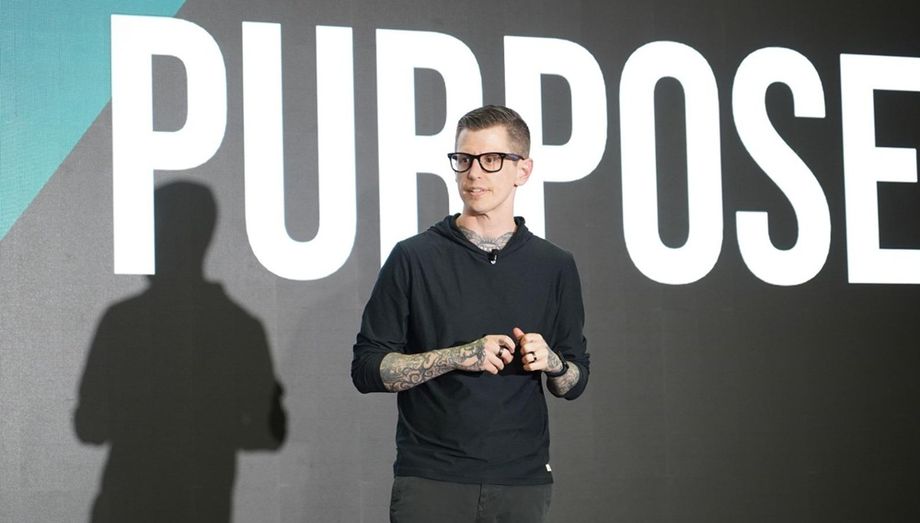
 In APAC, it is common that relationships precede deals, whereas the reverse tends to be true in the West: Smith
Anchoring global events in APAC requires more than replication – it demands intention, cultural intelligence, and local insight, according to Portland-based Taylor Smith, vice president, production and creative, BCD Meetings & Events.
We caught up with Smith ahead of his arrival in Singapore for The Meetings Show Asia Pacific to find out more.
We hear about geo-cloning a lot in events… why isn’t this always the best option for APAC?
Smith: Geo-cloning works well when markets share similar audience expectations, infrastructure, and cultural norms. Asia Pacific doesn’t operate that way. It’s not one region, but rather a collection of vastly different markets with different languages, levels of event maturity, regulatory environments, and business cultures.
In many Western markets, engagement formats, leadership tone, and audience interaction styles are relatively predictable. In APAC, those same assumptions can land very differently. A format that feels dynamic in Australia may feel uncomfortable in Japan. A leadership style that resonates in Singapore might not translate in India.
Geo-cloning prioritises efficiency. APAC demands sensitivity and nuance. Instead of just replicating, the most successful global events in the region interpret instead. They maintain global intent but are created with regional and local adaptation in mind versus as an afterthought.
What makes Asia Pacific such a unique region for M&E planners?
Diversity at scale.
APAC includes highly mature markets with world-class infrastructure alongside emerging markets where logistics, supply chains, and technology ecosystems operate differently. It includes cultures where hierarchy strongly influences participation, and others where open dialogue is expected. It includes multiple languages, varying regulatory frameworks, and dramatically different business rhythms.
For planners, this means you can’t design from a distance. Assumptions become risk, which makes local partnership even more essential. The BCDME APAC footprint was formed out of customer needs in-market. Aside from operational excellence, the reason we are successful is local offices, which offer the cultural intelligence and local expertise our customers demand.
"For planners, this means you can’t design from a distance. Assumptions become risk, which makes local partnership even more essential.”
What are the key cultural factors to be aware of?
A few stand out:
In some markets, audience members may not openly challenge leaders or ask spontaneous questions in a public forum. Designing engagement requires understanding that dynamic.
Directness, tone, and body language vary widely across markets. What feels energetic in one country may feel aggressive in another.
Approvals and timelines can look very different across the region. Understanding how decisions are made and who makes them prevents unnecessary friction.
Language versus understanding
English may be the working language in many markets, but fluency does not equal shared interpretation. Messaging often requires refinement, not just translation. Localisation is an important part of bringing a global narrative down to earth where it will resonate with each individual market in APAC. Ultimately, respect and curiosity go further than templates.
Connections
A relationship often precedes the business deal, the opposite of the West where business often precedes the relationship. In China, this is the glue that holds social and business systems together. This ‘merger’ of personal and professional requires significant time investment in cultivating trust.
 Given APAC’s diversity, it is risky to apply broad brush assumptions and design events from a distance. Local partnerships are key for global event owners. Photo Credit: iStock/Sabrina Bracher
How do you create an event in APAC that aligns globally but is locally flexible, relevant and respectful?
It starts with clarity. First, define global non-negotiables like brand intent, core narrative, and the experience principles. What must remain consistent everywhere?
Then, identify what should flex. Look holistically at every element of the event such as format, facilitation style, content examples, production approach, and even pacing.
The key is involving local teams early, not as executors but as strategic contributors. The last-minute hand off for delivery doesn’t work well here. When markets are brought in during the design phase rather than at delivery, alignment and relevance stop competing.
Consistency of intent matters more than consistency of execution. That mindset shifts changes everything.
"The key is involving local teams early, not as executors but as strategic contributors. The last-minute hand off for delivery doesn’t work well here."
You will be arriving in Singapore for The Meetings Show Asia Pacific. What are you most looking forward to?
The APAC meetings industry is evolving quickly. There’s a strong appetite for growth, innovation, and regional expansion, but also a growing recognition that global success requires local intelligence.
The Meetings Show Asia Pacific brings together planners, strategists, and decision-makers who are actively shaping that future. It’s an opportunity to have a candid, practical conversation about what actually works in this region and, sometimes more importantly, what doesn’t.
Is there anything else you’d like to add?
Designing for difference isn’t a compromise.
Organisations that approach APAC with curiosity and humility consistently outperform those that approach it with dominance and blind replication. When global ambition is paired with local insight, events become more than consistent. They become meaningful. And the moment that an event means something to an attendee, that’s where real impact happens.
Smith and BCD Meetings & Events managing director Sanjay Seth will speak more on the topic at The Meetings Show Asia Pacific. Their session - Global Events, Local Markets: Tailoring for APAC Diversity - takes place at 10:45 on Tuesday 14 April.