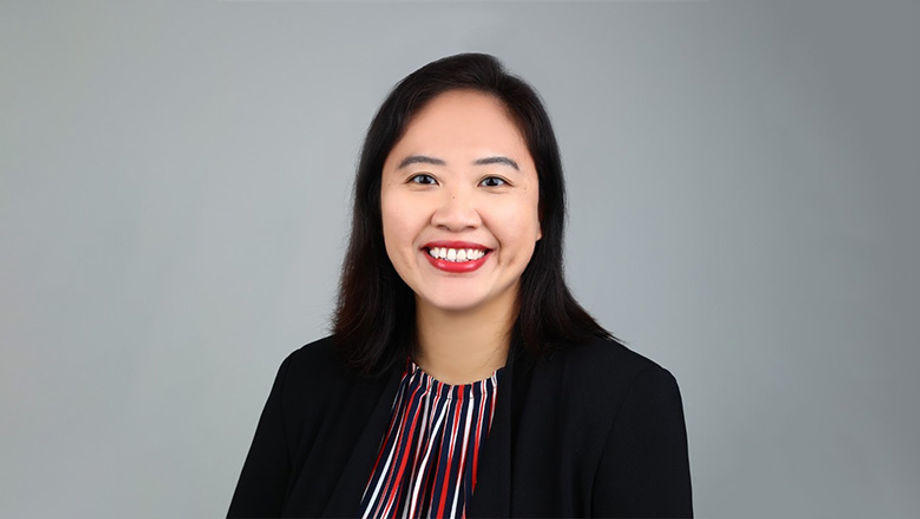
 PCMA’s Florence Chua. Photo Credit: PCMA
The events industry should adopt different recruitment business
models in order to address a growing talent crunch. This is according to
Florence Chua, managing director, APAC at Professional Convention
Management Association (PCMA), who said that a ‘gig’ economy model could
help alleviate staffing challenges, attracting those who have retired
or who are not looking for long-term positions. Chua was speaking at a
recent webinar, Connect Fall 2023, organised by event tech platform
Gevme.
Highlighting the positive
“The talent crunch started before the pandemic, since then what we’ve
seen is a significant number of senior professionals who have either
decided to retire early or have moved on to something else,” she said.
“We also saw a loss of confidence in students who are potentially coming
into the (industry) who are saying this is a very volatile industry.”
Chua said the industry’s volatility needs to be put into perspective
to turn this into a positive, in the context that it relies heavily on
travel and on people coming together and that it has bounced back so
quickly post-pandemic.
“That is something that we should be hopeful and optimistic about,”
she said. “As an industry we should go out there and continue to
advocate about how the industry has come back in such a powerful manner;
it's this value that is indispensable.”
As an industry we should go out there and continue to advocate about how the industry has come back in such a powerful manner; it's this value that is indispensable,
Florence Chua, managing director, APAC at PCMA
New recruitment models
Chua suggested a change in the industry’s recruitment models to allow
for more contract or independent work so that the sector can look to
bring back an experienced talent force and attracting new recruits.
With such stiff competition for talent, Chua said the events industry
also needs to diversify with regards to recruitment, looking beyond the
hospitality sector to other areas, including business and marketing.
Keeping the human touch
The webinar also touched on generative AI’s potential, and how it has
become much more prevalent within the events industry due to increased
accessibility, with Chua highlighting its potential for content
generation.
Using AI while maintaining creativity and emotional resonance that live events demand is a challenge, said Chua.
She said the industry could look at AI in terms of a personal
assistant, helping you to very quickly generate ideas, collate
information and analyse data. But as a human, you would have to be the
one to make the final decision, the judgement call on whether this is
really going to work. The important aspect is to understand what the
technology can do for you.
An omnichannel event strategy is really about providing a unified experience to your attendees or customers across all channels,
Gevme’s founder & CEO, Veemal Gungadin
Omnichannel strategy
The webinar also tackled how the new normal of events is an
omnichannel experience where your customers and your attendees interact
with your brand and with your events in whichever way that suits them.
“An omnichannel event strategy is really about providing a unified
experience to your attendees or customers across all channels,” said
Veemal Gungadin, founder & CEO of Gevme. “It's about crafting a
seamless and consistent experience that your customers interact with.”
Such a unified experience begins with website registration, email,
communications, business matching, check-in kiosk, online sessions and
mobile apps, all of which have the same consistent branding experience.