 If data sharing was not carried out during the pandemic, the industry’s recovery would have been slower. Photo Credit: Gettyimages/metamorworks
In recent times when technology has become one of the key driving
factors for progression in the MICE industry, leveraging data obtained
from attendees, sponsors and target audience are more crucial than ever
to deliver highly personalised events that meet participants’ needs and
expectations. But is harnessing data about event sizes, participation
rates, revenue generated and sponsors’ satisfaction surveys enough in
today’s climate?
Event planners may find the most value in defining the key data
points that are able to give meaningful insights into the qualitative
success of an event. However, as to which data points matter most, that
depends entirely on the show’s aim, the needs of its participants and
the ever-evolving landscape.
Richard Ireland, acting president, Singapore Association of
Convention & Exhibition Organisers & Suppliers (SACEOS),
believes that the traditional type of tried-and-test data created prior
to the pandemic no longer applies in current times.
Speaking at the virtual Tourism Data Leadership Conference organised
by Singapore Tourism Board (STB) on 2 March, Ireland advocates for
increased collaboration through data sharing in the MICE industry to
drive recovery, sharing examples on how data collaboration was the
catalyst that helped re-establish Singapore as a prominent event
destination.
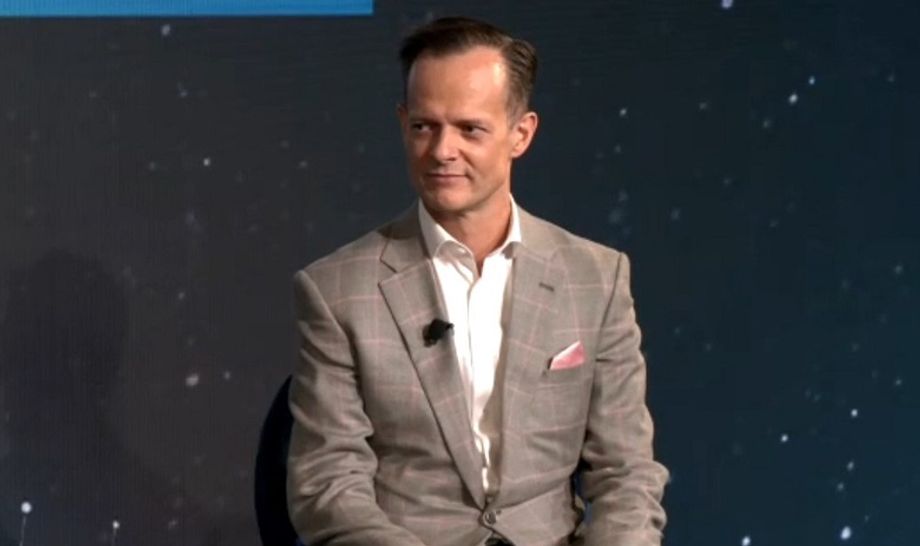 “As we move into recovery, where everyone talks about high satisfaction scores or effective market channels, you can really position your industry as an industry of strength if you share more macro data,” says SACEOS’s Richard Ireland. Photo Credit: STB
“As an industry we can use data for the greater good. During the
Covid period, we piloted events to demonstrate through data that events
are safe for everyone to attend,” Ireland said. “Now, if the data was
not shared, the collective good in the industry wouldn't be realised.”
Ireland
further states that the MICE industry would traditionally share data
encompassing the “scale of the show, how many square metres, how many
attendees”, which he deems as “poor data”.
In Ireland’s opinion, as the MICE industry is currently set in the
pivotal moment when recovery is churning and “everyone talks about high
satisfaction scores or effective market channels”, the sector can
present itself as an industry of strength if organisers share more macro
data.
Another advocate of data collaboration at STB’s Tourism Data
Leadership Conference is Veemal Gungadin, founder and CEO of Gevme, a
Singapore-based company that specialises in providing technology
solutions for events of all formats.
Having
hosted over 1 million digital participants in 2021, Gungadin attributes
the success of Gevme’s events to a “mindset change in uncovering
relevant and practical data applications” and the “democratisation of
data”, referring to making data available internally across all its
departments from sales to marketing through reports, dashboards or the
company’s CRM system.
Gungadin outlines the benchmarks that Gevme has devised in the
collection of relevant macro data, which includes whether registrations
should have a cut-off date or remain open even when the event is in full
swing. According to Gevme’s data insights, “if you leave it open during
the event, you can expect a bump of 18% of additional people
registering or even higher as people are sharing the event and getting
their colleagues to join”.
Other types of meaningful macro data that the industry can benefit
from, according to Gungadin, include the duration a participant tunes in
for a virtual event, marketing efforts to promote the event, the higher
chances of getting someone joining an event if it’s free and hosted on
social media platforms like LinkedIn and Facebook, and the response to
omnichannel events.
As
the business events sector across Asia Pacific gears up for vigorous
growth in the coming years, travel industry leaders at the STB Tourism
Data Leadership Conference urge for MICE players to take the old with
the new, and adapt age established methods with innovation and new
ideas.