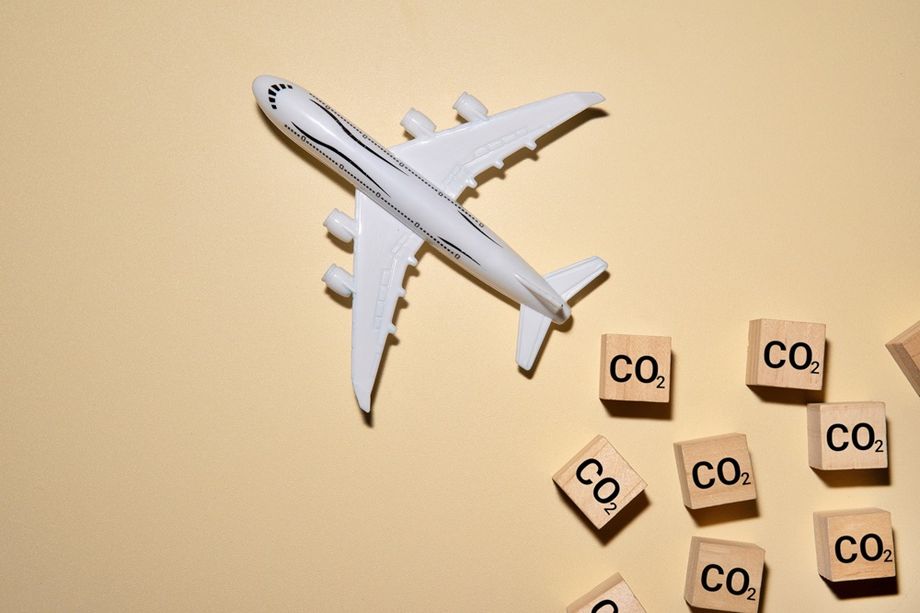
 Tech companies are generally flying less, which could prove optimistic for sustainability initiatives, but not everyone is on board. Photo Credit: Adobe Stock/izzuan
A recent analysis by the Travel Smart Campaign, led by Transport
& Environment (T&E), reveals that business travel emissions from
26 of the world's largest tech companies have decreased by an average
of 49% in 2023 compared to 2019 levels.
This marks a significant step in the tech sector’s efforts to reduce
its climate impact. However, the data shows that while these reductions
are notable, the momentum may be slowing – 2022 saw a larger drop of
62%. As of 2023, only seven out of the 26 companies have established
specific goals for cutting their travel-related emissions.
How did major tech companies fare?
Among the least proactive companies are Alphabet (Google's parent company) and Apple,
both of which have yet to set travel emissions reduction targets.
Alphabet’s business travel emissions in 2023 were down by only 23%, and
Apple’s by 31%, from 2019 levels – indicating a troubling trend that
could see these emissions climb back to pre-pandemic levels.
On the other hand, Wipro, a leading tech company in
India, has set a target of reducing business travel emissions by 55% by
2030. In 2023, Wipro surpassed this goal, achieving a 71% reduction –
showing how effective target-setting can drive meaningful change.
Unlike the tech sector, however, the majority of consultancy firms
have set travel emissions targets, with 12 out of 15 firms, including PwC, EY, and Deloitte, taking concrete steps towards sustainable business practices, according to T&E.
The call for action
Denise Auclair, corporate travel manager at T&E, said: "Tech
companies have claimed to be climate leaders for a long time, and many
have substantially reduced their business travel emissions. But if they
want to be credible, they must set reduction targets. How can Sundar
Pichai say that Google is progressing to a sustainable future when its
travel emissions are going in the wrong direction?"