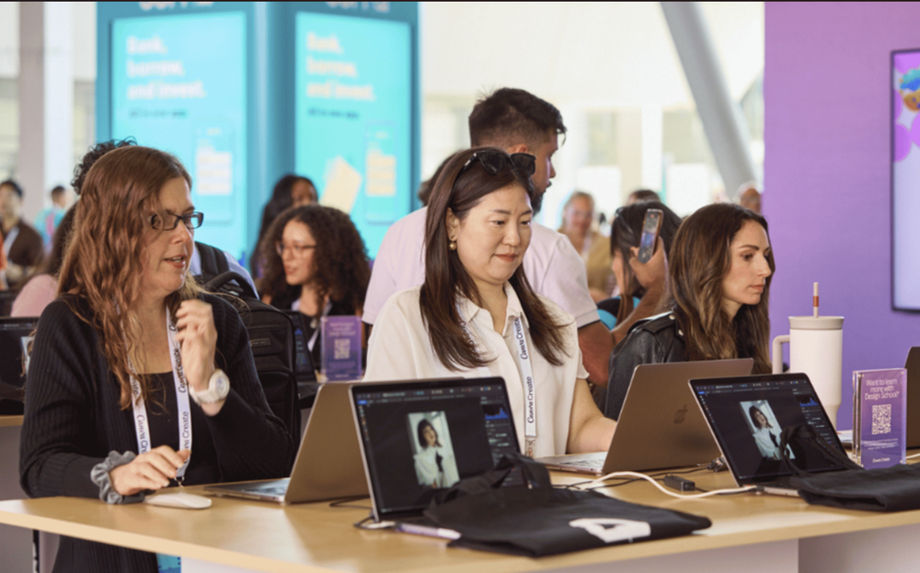
 Community events targeting small business owners and creators are blur the lines between B2B and B2C. Photo Credit: Canva
This month, a 30-day world tour rolled into plazas, community spaces, and design hubs in 40 cities across 31 countries and five continents. Picture crowds gathering around a colourful tour bus, hands-on activities sparking creativity, and a buzz that rippled through streets and cities alike.
Only, this wasn’t a pop concert or celebrity-headlined festival – it was Canva, the online design platform with more than 240 million users worldwide, taking its online business community offline for the Canva World Tour 2025.
What might have flown under the radar of traditional conventions and exhibitions is, in fact, a masterclass in digital-activated, community-first, brand-owned business events.
Global communities in beta mode
Digital-native communities are hardly new. Over the years, they’ve gathered in cafés, co-working spaces, and creative hubs – from a Starbucks in the city centre to a beach café in Bali.
Digital-first brands with global userbases are increasingly building communities at scale. AI coding tool Cursor runs a year-round calendar of community events around the world, from casual meet-ups to vibe coding sessions and hackathons.
Virtual “World Tours” by software companies the likes of Figma and Webflow have also quietly been gaining traction.
Now, think of these as “beta” versions of what could be. The real change happens not with virtual tours or decentralised community meet-ups – but a coordinated, “IRL”, mass mobilisation of communities around the world.
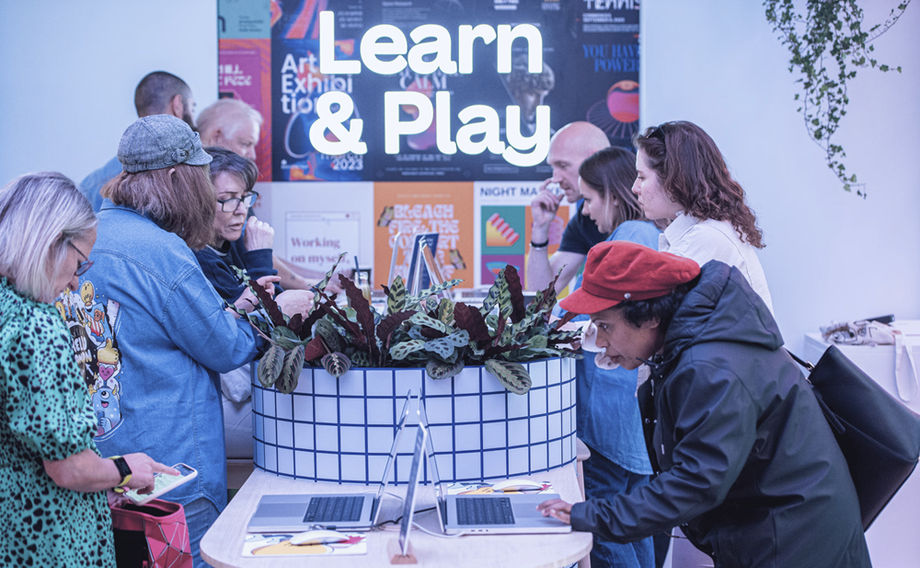 Canva’s world tours span 40 cities across 31 countries and five continents.
Digital-first goes physical
The Canva extravaganza foretells that digital-first business events are a formidable force entering the business events fold.
Canva expects to train more than one million users this month. The World Tour in more than 40 cities will culminate in a broadcasted live event and product announcement in Sydney on 30 October, after the coast-to-coast US bandwagon leg plus hundreds of workshops, community-led sessions, webinars and new Canva Design School certification including in Indonesia, Malaysia and the Philippines.
By finding clients online, geographical and industrial boundaries fall away, opening up massive opportunities for reach and offline engagement. Canva is reported to have nearly a quarter of a billion users worldwide, many of whom engage with the brand daily for business. Figma, a frontend UI tool that has been tackling World Tours virtually, counted 13 million monthly active users in March 2025, more than double since 2022.
Meanwhile, code and developer platform GitHub – with around 150 million users – continues to engage community in more familiar formats of conferences and webinars.
A new model of business events?
Beyond scale, brands like Canva that are branching into physical communities and third places are carving out a whole new model of business events.
These brand-owned activations acknowledge that business users are also everyday people: creators, designers, and professionals who live, work, and socialise beyond digital spaces.
Whether Canva is driving its bandwagon into the streets of NYC and the Texas State Fair, or popping up in a Makassar restaurant and online classrooms in the Philippines – it is meeting users where they live.
In doing so, it maximises engagement of a community that is as hungry for experiences as it is for industry and brand-aligned learning.
At Canva bandwagon stops in the US, users mill sidewalks, parks and plazas with matcha in hand, completing design activities station by station to earn a Canva Design School certification.
Community makes converts
And yes, business collaboration and connections can happen on the streets. At a bandwagon event, one musician challenged the community to paint on a canvas, before turning their work into cover art for his single (using Canva, of course). The process was also captured in video, which was then published as monetisable content or a growth driver for the creator and the artists featured. There we have it – the multiplier effect of community.
The other power of third-place activations? Community makes converts. Rather than bank on a steady share of captive audiences in one place from year to year, the Canva World Tour blitzes in the open, creating an infectious buzz in communities on and offline with potential to quickly and organically convert new users.
What does this all show? It is making more sense for certain brands to break out of exhibition and trade fair pigeonholes – to own the narrative and the growth.
Follow your audience
The Canva World Tour may be a fascinating spectacle and case study on business community activation – but it is not for everyone.
Ultimately, the takeaway is to go where your audience live and socialise. For some, the strongest show of business community may be once a year in an exhibition hall and that’s where the focus should remain. World Tours are not here to disrupt; they expand the definition of business events.
Either way, the boundaries of business events are shifting. And who knows in the future the industry may soon need a new acronym – MICE-WT (Meetings, Incentives, Conferences, Exhibitions… and World Tours)?