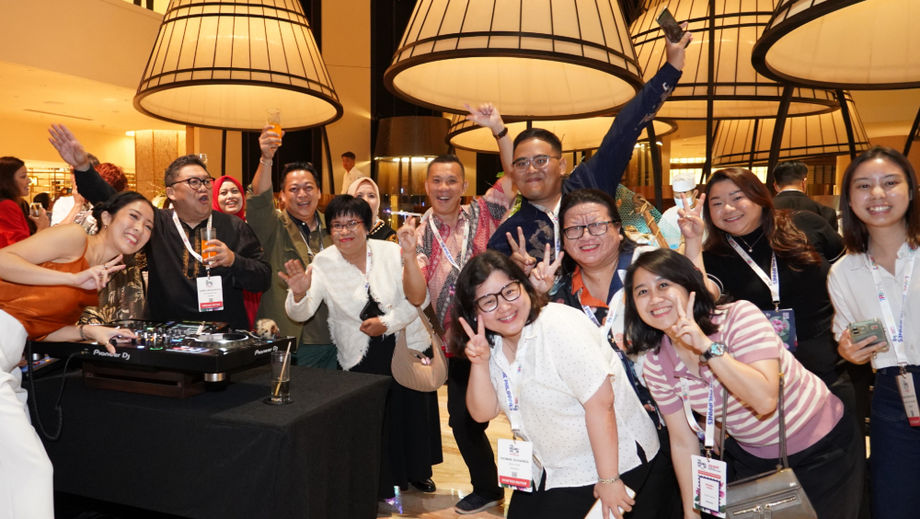
 From real-time mood tracking to curated content, next-gen events are all about emotional and behavioural insight. Photo Credit: Northstar Travel Group
Imagine a future where there are cameras watching everyone as they register for an event – not to take a still of their face and issue them with a badge, but to gauge their mood.
Getting a sense of how an audience is feeling at a particular moment in time can be critical for event personalisation. If you’re a CEO addressing employees about difficult times ahead, knowing how your audience is feeling at that time – whether fearful, anxious or angry for example, could play a big part in how your speech is delivered. Gauging moods can offer useful information to help ensure a particular ‘moment’ is as tailored as possible for attendees.
This was one of the findings discussed during a recent roundtable looking at ‘The Power of Personalisation - Equity, Accessibility, and Audience Engagement’, hosted by Event Industry News. It explored how tailored, personalised experiences can supercharge event engagement, enhance accessibility and ensure equity for all attendees.
Mapping the human layer of data
Bruce Rose, head of strategy at events agency Live Group, which recently launched Envoku, a platform exploring communication, engagement, and inclusivity across events, highlighted the wealth of audience data that can be used for personalisation. This includes base information such as where delegates have come from, to job title and industry, to ‘personality’ data, such as whether they like networking and their ideal session length.
“It’s a mix of baseline data and tracker data but there is also a hidden layer in terms of passive tracking,” he said. “It’s the data that people don't necessarily know that they're telling you that can still be very useful.”
Show empathy, not intrusion
Personalisation needs to be about understanding your event audience at a deeper level – not just whether they are introverted or extroverted but discovering how they like to consume content. And what’s the best way to gain a deeper understanding of your audience’s needs and preferences?
“It's about enhancing the experience, as opposed to making it feel like people have lost control of their information,” said Laura Whittington, head of digital product at Live Group and Envoku. “Build empathy and understanding around individuals, curate a page that has all the things they like.”
Attendees decide the depth of personalisation
Stephen Pickett, group managing director of Live Group, emphasised the importance of knowing attendees’ ‘comfort levels’ – the type of or amount of information they may be willing to share. Often, levels of personalisation do not go far enough and focus on areas like ‘what are your dietary requirements’, which doesn’t offer any insight into how guests may consume content.
“If I know I’m more comfortable in sharing information to make my experience that much more personalised and engaging, I would want to have the opportunity to be able to do that,” he said. “We need to be able to give people the opportunity to share what they want to share in a more meaningful way too.”
From personalisation to brand affinity
Pickett added that a greater level of personalisation can also lead to increased brand affinity.
“People are going to feel connected to this brand because ‘it cares enough about me’, and that's where that engagement comes from,” he said. “Brand affinity becomes that much deeper when you're able to connect with people on the right level about the right content in the right manner, allowing them to consume it the way they want to.”