 Mega events attract a global audience, creating a natural synergy for conferences and business gatherings that focus on innovation and corporate networking. Photo Credit: Adobe Stock/Vadim Ponomarenko
With World Expo 2025 now underway in Osaka and global sporting events like the World Aquatics Championships, World Athletics Championships, and The World Games all taking place across Asia this year – not to mention staples like the Singapore Grand Prix – 2025 is shaping up to be a bumper in the region for mega events and big sporting occasions.
Sporting events attract a global audience, creating a natural synergy for conferences and business gatherings that focus on innovation and corporate networking. How can corporate groups leverage these mega moments to enhance their meetings and incentives?
Brett Han, managing director of iCube Events in Singapore, says holding MICE events in the same city or region as a major sporting event can boost attendance by offering attendees an opportunity to experience both.
“A business conference in Tokyo during the World Athletics Championships can attract international delegates who may be in the city for the games,” he says. “It is estimated that more than 2,000 athletes from some 200 countries will come to Tokyo to take part in one of the world's biggest sporting events. By scheduling sessions around sporting matches, organisers can enhance attendee engagement.”
Business + sport = A strategic win
Organisations could also tailor their event themes around sports-related topics such as performance analytics, sustainability in sports infrastructure or leadership lessons from athletes.
Phil Boyle, SVP, managing director, Asia at Jack Morton, says there are a number of ways to take advantage indirectly of sporting events.
“Hosting events in the evenings and days before the sporting event at iconic locations in the city means you can pull in an audience that you may not normally have access to if you are doing a stand-alone event.”
Phil Boyle, SVP, managing director, Asia, Jack Morton
“Direct and adjacent talent to the sporting event will be available throughout the event so this opens up a new talent pool for guest speakers at your event,” he says. “With a big event in town, customers and colleagues may be visiting the city, so hosting events in the evenings and days before the sporting event at iconic locations in the city means you can pull in an audience that you may not normally have access to if you are doing a stand-alone event.”
And with so much noise in the city around the event, Boyle says brands, even if they are not official sponsors, can get in on the act by activating in public spaces, focusing on specific audience sectors interested in the sporting event.
Connecting with Expo 2025
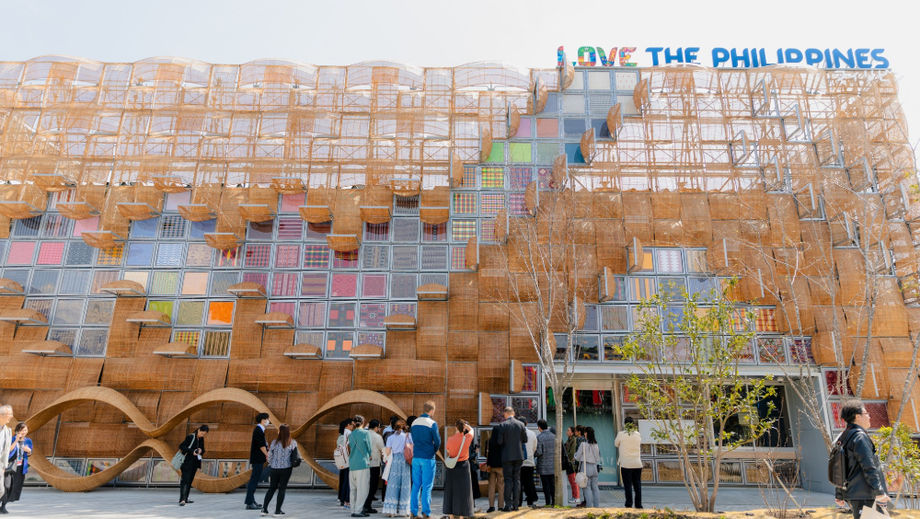 The Philippine Pavilion at Expo 2025 Osaka. Photo Credit: Tourism Promotions Board Philippines
When it comes to mega events like Expo 2025, they can offer a different and perhaps more significant appeal for MICE groups, both in terms of hosting events in the city and bringing delegations to visit.
“The Expo runs for six months and is built with the purpose of bringing people together for discussion and meetings,” says Boyle. “Anchoring your event in Osaka or nearby Kyoto is a good idea as you can build-in time at the Expo for guests to spend time there. The Expo itself also has a lot of meeting facilities that can be accessed.”
Han adds that similar to sporting events hotel rates, venue rentals and transportation costs will surge during mega events, but MICE organisers can partner with local government to benefit from co-hosted sessions, sponsorships and joint initiatives.
“The Expo will attract industry leaders, innovators and policymakers worldwide, providing a prime opportunity for business connections and collaboration,” he says. “MICE organisers can organise VIP tours, themed networking events, or industry-specific discussions tied to Expo themes, enhancing the value of their trip.”
Is the price right?
For those considering aligning an event with mega events and sporting occasions, ongoing budget constraints might be one obstacle.
“Leveraging these sporting events will probably be for a very exclusive group of clients or clients’ guests, as they can be costly and logistics can require a very high level of meticulous planning,” says Xinling Yap, regional account director APAC at BCD Meetings & Events.
Prices for hotels and event spaces often surge during global sporting competitions, making it harder for budget-conscious MICE organisers to secure affordable options.
“It really depends as high-profile businesses or corporate incentive programmes may still see value in aligning their events with major sports moments…”
Brett Han, managing director, iCube Events
“This could push groups to either shift their events to a different time when costs stabilise or choose alternative destinations closer to sporting events with lower expenses,” says Han.
“It really depends as high-profile businesses or corporate incentive programmes may still see value in aligning their events with major sports moments, leveraging unique networking opportunities and exclusive hospitality experiences that justify the higher cost.”
Boyle advises to get in there early to book spaces and says that hotel venues, especially those in Asia, tend to not do ‘dry hires’ during major events, so will only sell ballroom space with hotel rooms attached.
“As the venues and hotels are very busy, you will also find that you are not the priority of the venue you are working with as they will be stretched thin, so the standard of service may not be up to your requirements,” he cautions.
Yap says additional challenges corporates should consider include roadblocks and the availability of ancillary vendors such as transportation providers and caterers.