 From captive to captivate: delicate human judgement is key to capturing delegates' attention today.
It was Boxing Day. In the weeks leading up to it, family dinner conversations were dominated by all things related to Netflix drama Stranger Things. Demogorgons, Mind Flayers, Dungeons & Dragons, and the evolving tension between Steve and Dustin were all we talked about. We were ready to binge-watch the latest three-episode drop of the series.
When Episode 5, Shock Jock, finally exploded onto our screens, we were hooked. Just 10 minutes in, I looked over and saw both my kids watching two screens, switching between their mobile phones and the television. I remember thinking: “How in Vecna’s Upside Down can this not be holding your full attention?”
But that’s where we are today as a society – and it’s no different in events.
As planners, we’re no longer guaranteed a captive audience. It used to be assumed that if people were in the room, we had their attention, but attention today is fragmented. Even in live environments, people are engaging across multiple screens simultaneously, and it’s not always with your content. This changes the design of events and how success is measured.
A full room tells us very little if the audience isn’t engaged or moved. Attendance on its own is no longer a meaningful metric. What matters is whether an experience impacts attendees – and how we recognise those emotions and behaviours is key. The action attendees take after leaving is what we’re aiming to influence. What do we want them to think, feel, or do?
This is what’s driving the rise of the human-centric event strategist.
A full room tells us very little if the audience isn’t engaged or moved. Attendance on its own is no longer a meaningful metric.
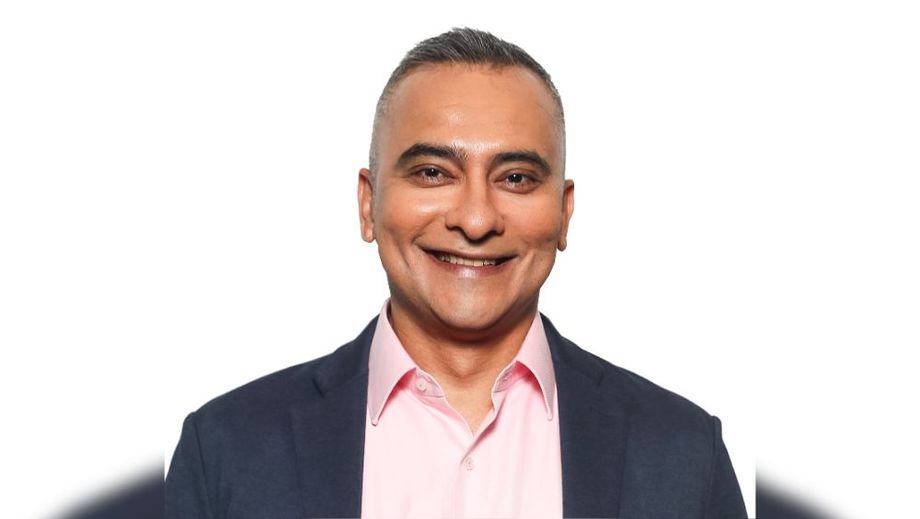
Sanjay Seth, SVP, managing director, APAC, BCD Meetings & Events
What machines cannot read
In an evolving AI-powered world, reading a room and other acts of delicate judgment are vital human-centric skills, critical to the success of any event planner. These are no longer soft skills. They’re strategic, and they’re indispensable.
Reading the room means observing subtle shifts in energy and behaviour and knowing when to adapt content or the pace of a session. It’s about understanding when a message is landing, and that comes from emotional intelligence.
As expected, technology and AI do play an important role, and we should be using data to measure key indicators such as engagement and sentiment. They can surface valuable insights and patterns that help planners make more informed decisions about their events.
Data works hand in hand with the planner’s knowledge and expertise to create customised approaches to event activation. As event formats evolve to become more audience-led, it is important for attendees to experience a mix of live moments, digital interactions, immersive content, and even quiet moments of reflection.
Skills for a new era
This evolution is also changing the skills required of event professionals. We’re seeing event planners with increasingly diverse skill sets, bringing together expertise in psychology, data, technology, storytelling, and design. They understand that while AI can enhance capabilities, it is human judgement that turns insight into impact.
As AI continues to advance, it won’t replace the events professional, but it will redefine the role. Those who can combine technology with empathy, and data with intuition, will become the event planners and creatives shaping the industry’s most important moments.
Sanjay Seth is the SVP and managing director, APAC at BCD Meetings and Events.
This article was first published in M&C Asia’s April–June 2026 issue. Click to read more fromthis issue.