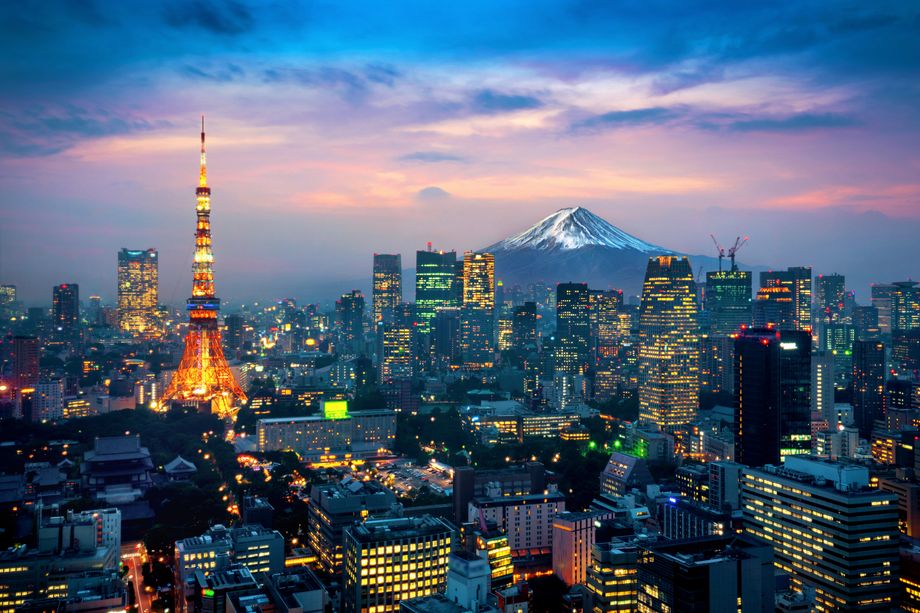
 Tokyo ranked third most expensive city Photo Credit: iStock/tawatchai1990
Hickory Global Partners has released its 2025 rankings of the world’s most expensive and most popular cities for business travel, based on booking data and average daily rate (ADR) spend across its global platform.
The consortium, which represents
more than 2,500 members in 74 countries and works with over 51,000 hotel partners, analysed corporate hotel bookings to determine the average daily rate per city – a benchmark reflecting the cost incurred by corporations to host meetings, seminars and
employee stays.
Tokyo, Singapore prominent
Only two Asia-Pacific cities appear in the global top 10 lists – Tokyo and Singapore – and both rank in both the most popular and most expensive international city categories.
Tokyo ranks fifth in popularity and
third in cost globally, while Singapore ranks eighth in popularity and fifth in cost.
Striking a balance between premium pricing and appeal, Singapore ranks slightly lower than Tokyo in cost but remains within the top five most expensive cities
while maintaining top-10 popularity.
Top 10 popular cities
- London, England
- Rio De Janeiro, Brazil
- Paris, France
- Toronto, Canada
- Tokyo, Japan
- Montreal, Canada
- Calgary, Canada
- Singapore, Singapore
- Amsterdam, Netherlands
- São Paulo, Brazil
Top 10 most expensive international cities
- London, England
- Paris, France
- Tokyo, Japan
- Amsterdam, Netherlands
- Singapore, Singapore
- Toronto, Canada
- Montreal, Canada
- Calgary, Canada
- São Paulo, Brazil
- Rio de Janeiro, Brazil
“Cities such as London, Paris and Tokyo continue to bolster high price tags for business travellers, but remain popular because they offer expansive metropolitan areas with ample hotel inventory and meeting space,” Hickory was reported by BTN Europe as
saying.
“Other destinations, including Amsterdam, Singapore and Toronto, maintain a high ADR (average daily rate) due to the local economy, but continue to attract business travellers from around the world due local industries and the opportunity
to extend trips for ‘bleisure’ travel.”