 Fewer gifts, shorter trips on the forecast as budgets moderate against rising prices and uncertainty. Photo Credit: AdobeStock/deagreez
A growing trend of “job hugging”, where employees cling tightly to their current roles amid economic uncertainty, is reshaping how organisations think about motivation and recognition, according to the Incentive Research Foundation 2026 Trends report.
Cuts over creativity
The report projects that incentive programmes will shift away from doing more with less through creativity and towards deliberate cuts and trade-offs.
Average incentive travel spend rose just 4% to about US$5,100 per person, and while some buyers expect budgets to keep pace with or slightly outstrip inflation, a quarter still plan to reduce per-person spend.
As a result, planners are becoming more strategic: trimming low-impact elements such as gifting, choosing less expensive or closer-to-home destinations, and shortening trip durations.
From free time to micro-moments
Previously, unstructured free time was an easy cost-saver. That approach is losing effectiveness as participant expectations rise. Instead, experience design is shifting toward low-cost, high-impact “micro-moments” that foster connection and perceived value: think hyper-local hosts, pop-up ateliers, sensory reset spaces and curated drop-in experiences that feel intentional rather than bare-bones.
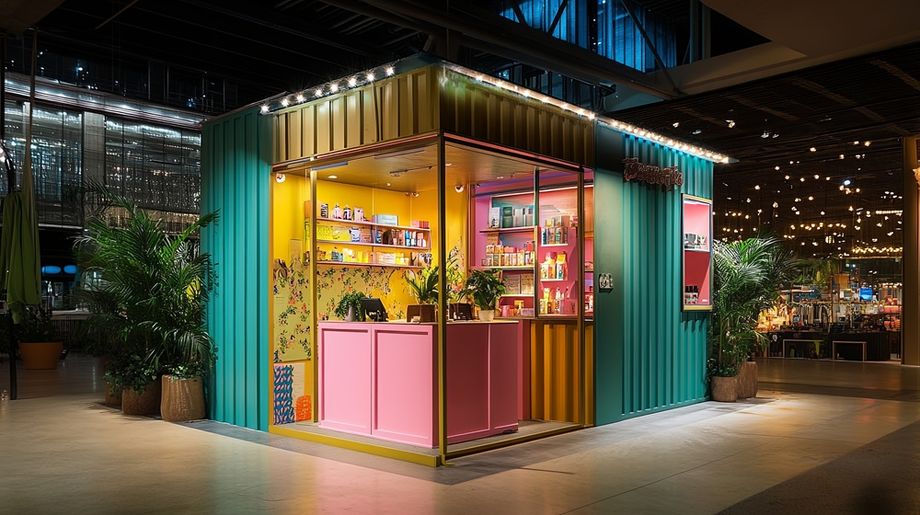 Pop-up ateliers and other middle-ground activities that sit between unstructured time and designed engagement. Photo Credit: AdobeStock/adobestocker1
Gifts that keep on giving: shop local, practical
Merchandise and event gifting remain important, but execution is changing. While per-instance spend on gifts is increasing, overall gifting budgets are flat or declining, signalling a move toward fewer, more meaningful items. Locally sourced, high-quality gifts that tie into the destination and experience are prioritised, partly to enhance impact and partly to avoid tariffs, customs delays and cross-border logistics. Many organisations now fulfil rewards in-country through local partners to reduce risk and complexity.
Gift cards continue to dominate reward portfolios, not as luxury treats but as flexible, practical support. Increasingly, recipients redeem them for dining, clothing or everyday needs rather than aspirational splurges, reflecting both economic caution and a desire for tangible value during uncertain times.
Partners, technology as forces
In a more complex environment, strong external partnerships matter more than ever. Top-performing organisations rely heavily on agencies, DMCs and technology platforms to stretch budgets, manage risk and deliver consistency. AI adoption is widespread, used to speed analysis, sourcing and communication – but with a growing awareness that authenticity is integral.
Evolve value and signal stability
Finally, incentive travel is increasingly judged through a broader organisational lens. With more stakeholders involved – from CFOs to HR – planners must clearly articulate value, align programmes with people strategy and demonstrate measurable impact. In an era of job hugging, well-designed incentives are less about indulgence and more about signalling stability, appreciation and long-term commitment.