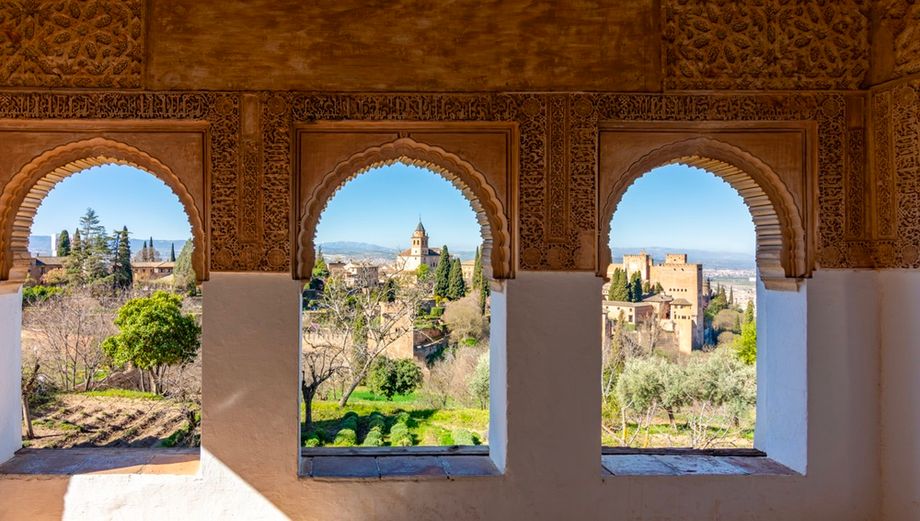
 From Moorish architecture to modern architecture, Spain takes incentive groups beyond surface-level sightseeing. Photo Credit: iStock/Elena Zolotova
As corporate travel budgets come under greater scrutiny and more Asia Pacific incentive programmes shift closer to home, longhaul destinations are facing a new reality: being far from home is no longer the default for aspirational incentive programmes.
Luxury accommodation, modern convention facilities and premium experiences are now widely available across the region. What would now compel incentive planners to consider crossing continents for effective employee rewards are experiences that feel genuinely exclusive, transformative or impossible to recreate elsewhere.
In Singapore to court the region’s incentive groups at The Meetings Show Asia Pacific this year, these destinations beyond APAC believe they have a strong case for incentive planners to take the longhaul leap.
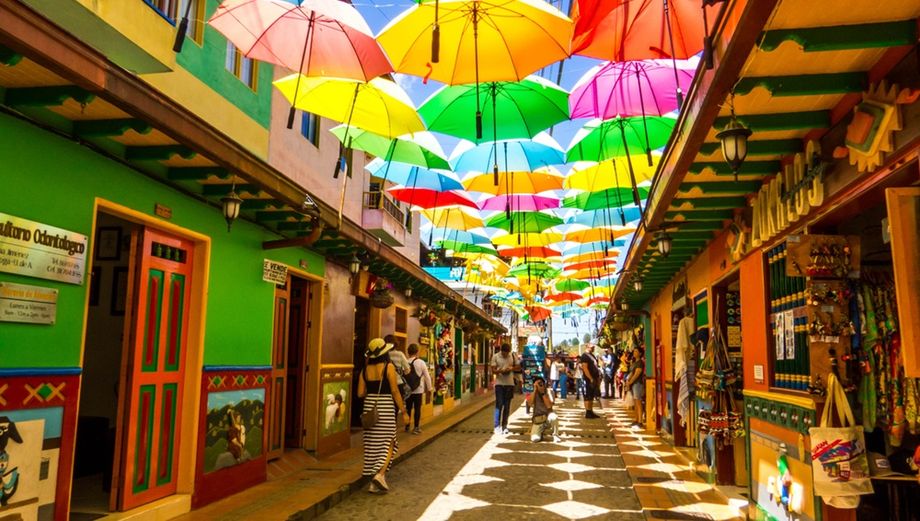 Colombia sees cultural diversity within one destination as the new prestige. Photo Credit: iStock/Stock Photos 2000
Colombia: One country, multiple worlds – without logistical drag
Why take the longhaul leap: Colombia’s appeal lies not just in its diversity, but in how easily that diversity can be built into a single programme.
“From a logistics point of view, travel would be easier to manage without having to split itineraries across countries,” said Beatriz Barreti, ED for Southeast Asia at ProColombia. Groups can move from coffee plantations to coastal cities or even the Andes within one itinerary.
For planners, this makes longhaul programmes much easier to manage.
Instead of putting together multiple destinations across borders, as is often the case in Europe, Colombia delivers varied landscapes without living the country. And these are not just quick stopovers.
“Our off-the-beaten-path activities provide a new kind of prestige,” Beatriz added. “Opportunities to connect with our South American culture – like seeing a local family harvest and roast coffee beans at their hacienda or a home visit to learn ancestral medicine – offer a depth groups do not get anywhere else.”
New products such as AmaWaterways’ AmaMagdalena river cruise further expand options for a curated and seamless way to discover Colombia via the Magdalena River.
Monaco: Prestige through access, not just luxury
Why take the longhaul leap: For incentive groups, it is no longer about luxury, but access.
“Monaco gives access to glamour, prestige and luxury. Programmes are not so much about activities as they are about access to a certain lifestyle,” said Laurence Cellario, director of Incentive Concept. This distinction is critical for M&I planners.
Monaco’s reputation as the playground for ultra-high-net-worth individuals is globally recognisable. Events can have tie in with the Monaco Grand Prix alongside private yacht charters and seasonal venues not widely accessible elsewhere.
Logistically, it also benefits from proximity. “Nice airport is 30 minutes away and is increasingly connected to the world,” Cellario noted, with easy extensions into France and Italy, including exclusive destinations such as Cannes and Cote d’Aazur.
Spain: Cultural depth that shapes programmes
Why take the longhaul leap: Spain’s strength lies in how deeply culture and history can be built into a programme.
“Apart from venues that can leave a strong impression on groups, we have the world's second-longest high-speed rail system (AVE) connecting major cities like Madrid, Barcelona, Seville [and] Valencia rapidly,” said Irene Valencia, Turespaña's market analyst, Southeast Asia, Australia and New Zealand.
For planners, this makes it easier to design multi-city programmes without too much travel fatigue or logistical challenges.
What sets Spain apart is the variety of settings that have been shaped by centuries of influence. From Moorish palaces to modernist architecture, the destination offers layered experiences that go beyond surface-level sightseeing.
“Imagine optimising your event by hosting it at the Guggenheim Museum Bilbao or in cities like Córdoba and Granada that give participants a sense that they are experiencing something they would not normally access.”
Importantly for regional planners, Spain has also expanded its Muslim-friendly offerings, including halal dining and prayer facilities, making it easier to accommodate diverse delegate groups.
Vancouver: Built-in wellness at your doorstep
Why take the longhaul leap: As wellness becomes more central in meetings and incentive design, planners are also looking for destinations that balance urban convenience with proximity to nature.
“In Vancouver, transitioning from the urban jungle to the natural forest is easy because everything is close by,” said Luke Snyder, director of sales, meetings & conventions, corporate, Destination Vancouver. “You can go from the city to the mountains or the Pacific coastline quite quickly, and that change of setting is something participants enjoy.”
For planners, proximity matters. With most groups preferring to keep activities within a 30-minute radius, Vancouver allows easy movement between meetings and outdoor activities.
More importantly, it aligns with what many companies are increasingly prioritising: giving teams space to recharge, creating healthier work-life integration within incentive programmes, and designing itineraries with a more sustainable pace.