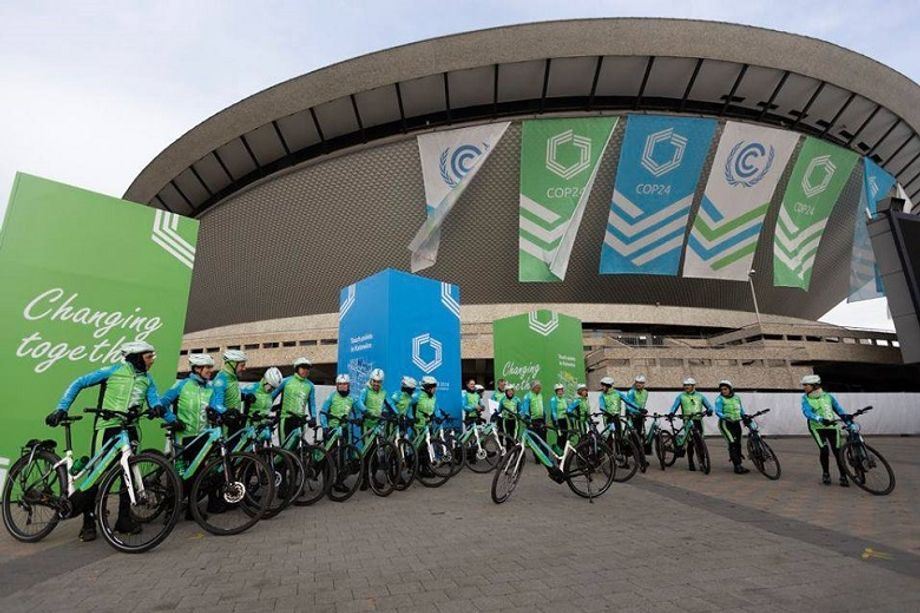
 Political and business leaders are currently meeting in Glasgow, Scotland for the UN Climate Change Conference (COP26). Photo Credit: SEC Centre, Glasgow, Scotland
Heightened awareness of responsible travel has spurred global
businesses to adopt sustainable practices that are both socially and
environmentally responsible — a trend set to deepen as world leaders
meet in Glasgow, Scotland for COP26.
According to a recent poll by data and analytics company GlobalData,
45% of respondents ranked the environment as the important among ESG
(environmental, social, government) factors.
"This growing concern from the public is reflected by the United
Nations, which expects parties to commit to new environmental targets at
COP26 and tourism is an established part of the agenda,” said Ralph
Hollister, Travel & Tourism Analyst at GlobalData
New environmental commitments may carry more weight due to the
position the tourism industry is currently in. A recovery process such
as this has never been seen before, and the industry is still in the
thick of it. International tourism arrivals are not expected to surpass
pre-pandemic levels until 2024, according to GlobalData forecasts.
Hollister added: “Not having to deal with high levels of tourism
demand means that it is an ideal time for public and private sectors to
reset operations to make them more environmentally sustainable, and to
also enhance communication and relationships between one another. Having
these sectors working in harmony increases the chances of
sustainability commitments being met in tourism."
The UNWTO has gathered hundreds of private sector operators from
across the world to commit to the Glasgow Declaration, as part of COP26.
This Declaration is aimed at grouping the highly fragmented tourism
sector behind a single, enveloping goal of halving emissions by 2030 and
achieving net zero by 2050 at the latest. Each signatory will then
commit to the delivery of an all-encompassing climate action plan, or
updated plan, within 12 months of putting pen to paper.
"To encourage the private sector, it needs to be made clear that both
sides share the risks, rewards and responsibility for the
sustainability initiatives that are agreed upon,” Hollister said.
The Joint Meetings Industry Council (JMIC) is also rallying event
professionals to commit to its Net Zero Carbon Events initiative, which
aims to reach a net zero target by 2050.
While
COP26 may mark a turning point in sustainable tourism, actions speak
louder than words as COP26 organisers recently came under fire for the
carbon footprint behind the event menu, as well as a lack of inclusion
after Israel's minister for energy and water, Karine Elharrar, was
denied wheelchair access to the venue.
As the conversation around sustainability matures, event planners
should take proactive steps to motivate the industry towards real
change. Greenwashing will be called out.