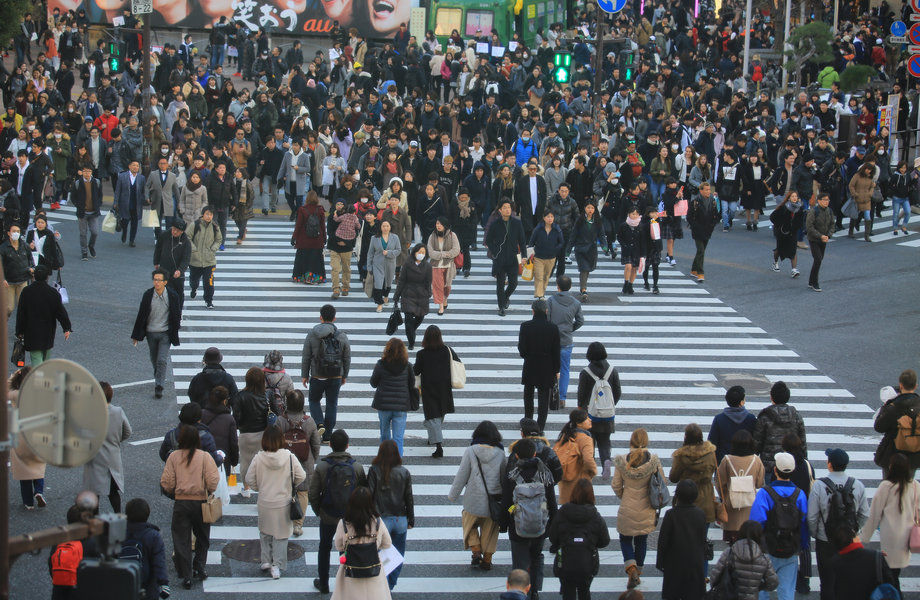
 Japan and Bali are experiencing overtourism, with overcrowding affecting infrastructure and sustainability, particularly for MICE events. Photo Credit: Adobe Stock/LT
Overtourism is increasingly impacting popular destinations, and the MICE sector is not immune to its effects. With destinations like Bali and Japan experiencing record numbers of visitors, MICE organisers are now faced with the challenge of balancing demand with sustainable event practices.
Last month, Indonesia’s government unveiled plans to build a new airport in Bali’s northern region to ease congestion. Bali has long been a favourite for incentive groups, known for its affordability and safety. However, the rise in visitor numbers is starting to take its toll. "Bali’s popularity has surged due to its affordability and safety, but the overcrowding is starting to pose challenges," says Xinling Yap, Regional Account Director for Asia Pacific at BCD Meetings & Events. "The new airport is a positive move, but we need to consider the broader impact of overtourism, particularly for MICE events."
Japan is also feeling the strain, with a surge in popularity among Singaporean travellers. "Japan has always been a top destination, but in the last year, especially with the weakening yen, it has become even more appealing," says Yap. "But with increasing demand, it’s essential to incorporate sustainable event planning to avoid overburdening the destination."
Sustainability is a key concern for many MICE organisers, and industry leaders like Manpreet Bindra, FCM Meetings & Events Leader for Asia, stress the importance of reducing the environmental impact of events. "MICE organisers must raise awareness among their teams and attendees about the effects of tourism and take proactive steps to mitigate that impact," Bindra says. He recommends adopting eco-friendly practices, such as selecting sustainable venues, reducing carbon emissions, and sourcing local food and drink. "We collaborate with venue partners who share our sustainability values, and we’ve invested in tools to help clients choose greener event locations."
Bindra also suggests considering alternative destinations that can manage MICE tourism more effectively. "Secondary cities like Pattaya, Koh Samui, and Yogyakarta offer unique experiences and are less impacted by overtourism," he says. These locations are rich in culture and offer offsite activities that are perfect for business events, all while helping to reduce the strain on more popular destinations.
Petrina Goh, Head of Commercial, SEA & Hong Kong at CWT Meetings & Events, also advocates for responsible tourism. "We should aim to leave a place better than when we arrived," says Goh. "Supporting local communities, cultures, and economies is key." She suggests incorporating local staff, sourcing local products, and creating event programs that reflect the culture of the destination.
As overtourism continues to affect popular MICE destinations, planners are encouraged to explore less-visited locations, travel during off-peak periods, and prioritise sustainability to ensure the long-term viability of business events.