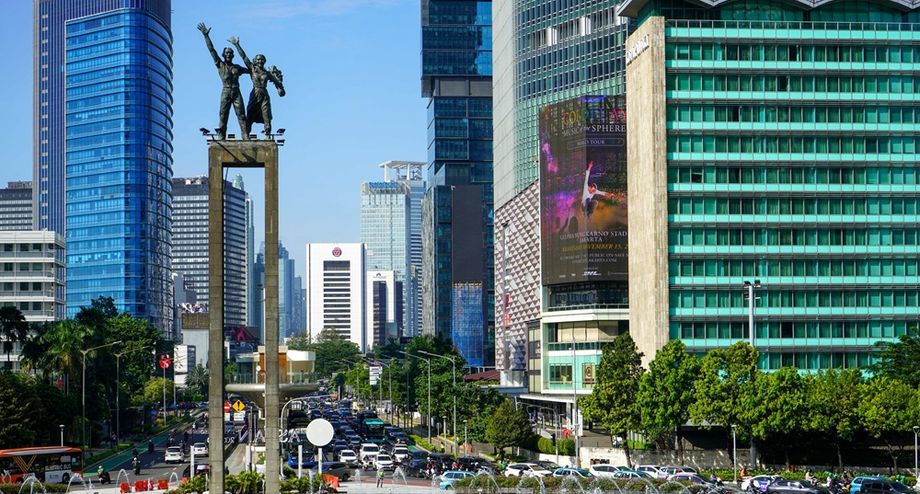
 Cost-cutting measures trigger occupancy slumps and mass layoff risks across Indonesia. Photo Credit: Adobe Stock/Faris Fitrianto
Indonesia’s hospitality and MICE industries are facing a new crisis, as sweeping government budget cuts begin to bite.
A recent survey by the Jakarta chapter of the Indonesian Hotel and Restaurant Association (PHRI) reveals a looming wave of layoffs, with most businesses planning to reduce their workforce by 10–30%. Some 90% have already let go of daily workers, while 36.7% have trimmed permanent staff.
PHRI Jakarta chair Sutrisno Iwantono said during a recent press briefing that the industry is now under intense pressure as hotel occupancy drops and operational costs soar, putting a strain on business sustainability.
Government cuts hit core business
The drop in demand is largely driven by President Prabowo Subianto’s 2025 budget efficiency mandate – a policy aimed at saving Rp306.6 trillion (US$19 billion) through spending reductions across all ministries and government agencies.
The impact on Jakarta hotels has been stark. In Q1 2025, 96.7% of properties reported lower occupancy, with two-thirds citing government-related bookings as the hardest hit segment. With government travel, seminars, and meetings curtailed, many hotels that relied on this steady stream of business are now struggling to stay afloat.
The situation is compounded by low international visitor numbers, which make up just 1.98% of tourist arrivals compared to domestic visitors, according to Statistics Indonesia. "The imbalance in market structure indicates the urgent need for better tourism promotion strategies and more effective policies to reach international audiences," said Sutrisno.
MICE industry takes a hit
The austerity cuts also affect the MICE industry. A separate survey by the Indonesia Event Industry Council (IVENDO) in Bali found that 2,500 jobs in Bali’s MICE sector are at risk. Roughly 85% of businesses in the sector reported a sharp drop in revenue due to the government’s travel ban.
In South Sumatra, occupancy plunged from 90% to 55% following the drop in state-sponsored events. Similar declines have been reported in Yogyakarta, Balikpapan, and West Java.
Colliers Indonesia noted in an April report that hotels reliant on government spending were among the hardest hit. “Just as the sector was recovering post-pandemic, it’s facing another setback,” said Ferry Salanto, Senior Associate Director at Colliers. Q1 2025 has been the weakest quarter yet, he added.
"National hotel occupancy has dropped to 20%, far below last year’s average of 50% to 60%. Nearly all regions are affected, especially hotels that rely heavily on MICE activities funded by government spending," Maulana said.
Industry calls for support
Earlier in June, the Indonesian government just lifted restrictions on regional governments holding meetings and events at hotels, a policy reversal that comes after mounting pressure from the hospitality industry and warnings about the economic drag of excessive austerity.
"Regional governments are now allowed to hold events at hotels and restaurants. I confirmed this directly with President Prabowo Subianto," Home Affairs Minister Tito Karnavian announced in June during a visit to Mataram, West Nusa Tenggara.
To mitigate further impact, the business sector is urging the government to provide incentives for the hotel industry, such as tax relief and financial assistance.
Sutrisno added that operational costs are escalating fast – water tariffs have jumped by up to 71%, gas prices by 20%, and the Provincial Minimum Wage continues to rise. He stressed that the hospitality industry is not only a vital economic contributor (about 13% of Jakarta’s regional income), but also a key face of the city’s tourism sector.