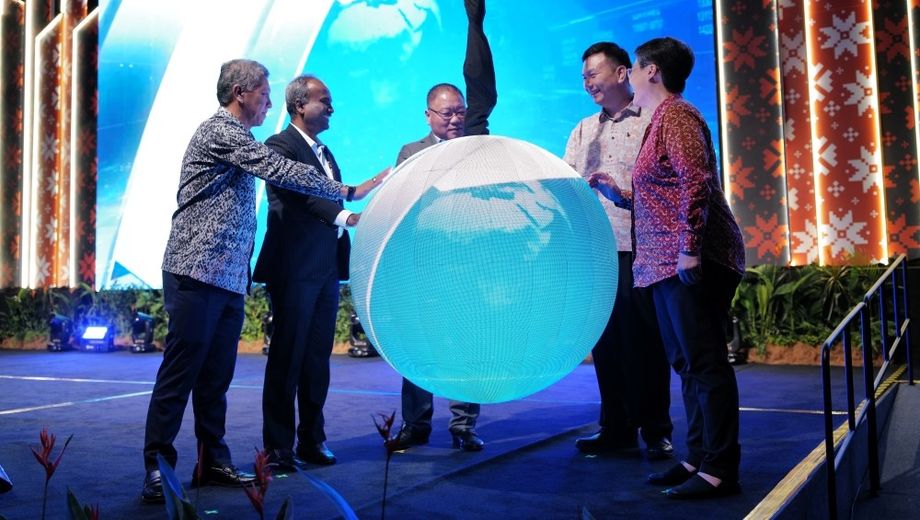
 Malaysia Business Events Week 2026.kicks off
As Malaysia reports a strong forward pipeline of events until 2030, with an estimated economic impact of RM8.27 billion (US$2 billion), leaders are focusing on building up a ecosystem that connects stakeholders from the events sector and beyond.
At this year’s Malaysia Business Events Week (MBEW) 2026, the spotlight was on Malaysia’s plans to move from just attracting more events to building a more connected business events industry. Held on 3-5 August at the Kuala Lumpur Convention Centre with the theme Weaving Horizons: Shaping the Tapestry of Tomorrow, Malaysia Convention & Exhibition Bureau (MyCEB) highlighted the importance of collaboration, knowledge exchange and long-term legacy in positioning Malaysia as a global player in MICE.
We have actually woven the whole network of business events, regionally, internationally and locally as a piece of artwork.
Tan Mei Phing, CEO, Malaysia Convention & Exhibition Bureau
Crossovers, connections and collaborations
“We have actually woven the whole network of business events, regionally, internationally and locally as a piece of artwork,” said MyCEB CEO Tan Mei Phing as she summed up the vision of MBEW 2026. By bringing together stakeholders across government, industry, academia and international partners, she said the industry can build stronger partnerships that will shape the future of business events.
Throughout the three-day event, collaboration was a recurring theme. From government agencies and convention bureaus to associations, academia and event organisers, speakers agreed that every stakeholder has a role in shaping a more resilient and competitive business events ecosystem.
In one panel session, Yau Chau Fong, president of The Institution of Engineers Malaysia, gave the example of how conferences can become platforms for innovation when they extend beyond the conference hall. “Our organisation collaborated with universities and local agencies to arrange technical site visits and live showcases, giving delegates hands-on experiences that would not have been possible without cross-sector partnerships.”
Beyond economic impact
MyCEB chairman, YB Dr Sivakumar Varatharaju, noted, “Each stakeholder brings unique expertise and perspectives and together they create an industry that is stronger, more resilient, innovative, and better prepared to seize the opportunities of tomorrow.”
As of 30 June 2026, MyCEB has already locked in 416 business events from 2026 to 2030, with a projected estimated economic impact of RM8.27 billion.
Datuk Seri Tiong King Sing, Malaysia Minister of Tourism, Arts and Culture
This approach has already translated into positive results. In his opening remarks officiating the event, Tourism, Arts and Culture Minister Datuk Seri Tiong King Sing, said, “As of 30 June 2026, MyCEB has already locked in 416 business events from 2026 to 2030, with a projected estimated economic impact of RM8.27 billion.”
He further added that Malaysia must continue embracing innovation, sustainability, digital transformation and talent development to keep its business events industry globally competitive.
Looking beyond attendance
While delegate numbers and economic impact remain important, MyCEB is redefining success by being committed to placing equal emphasis on knowledge exchange, industry collaboration and long-term benefits for host destinations. In doing so, it hopes to position Malaysia not just as a venue, but a regional connector that brings people, ideas and industries together.
Reflecting this year's theme, MBEW brought together speakers from beyond the traditional meetings industry. Among them were national para hand cyclist, Alvin Lim, who delivered the keynote address; Cameron Ultra trail running event founder, Hazemi Hamidi, advisor on sustainable urbanisation to the Government of Malaysia, Maimunah Mohd Sharif; and ZUS Coffee strategy manager, Wong Kim Chuan.