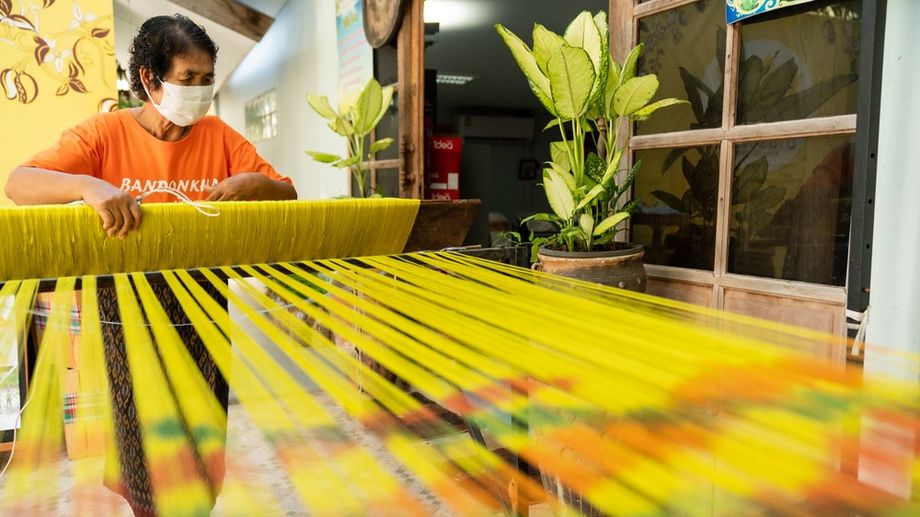
 Khon Kaen MICE City in Thailand’s northeast is known for its textile trade.
Legacy is fast becoming the defining metric of successful business events. In M&C Asia’s latest cover story on legacy in business events, Supawan Teerarat, president, Thailand Convention and Exhibition Bureau (TCEB), explains how Thailand is aligning international events with national development priorities to create longer-term economic, social and community impact.
Why is legacy important to the growth and development of the MICE industry in Thailand? In today’s uncertain climate, how does legacy help future-proof the sector?
In today’s global meetings and conventions industry, we are witnessing a fundamental shift. Success is no longer measured by the size of an event, but by what it leaves behind. Legacy is about impact that continues long after the event has ended – the knowledge transferred, partnerships formed, industries strengthened and communities uplifted.
At Thailand Convention and Exhibition Bureau (TCEB), this means aligning events with Thailand’s national priorities, whether in medical and wellness, food innovation or sustainability, so that each gathering contributes to strengthening a real sector of our economy. We also go beyond hosting events to creating platforms for business matching, knowledge exchange and innovation. Legacy comes from what people create together, not simply from what happens during the event itself. In today’s uncertain world, legacy builds trust.
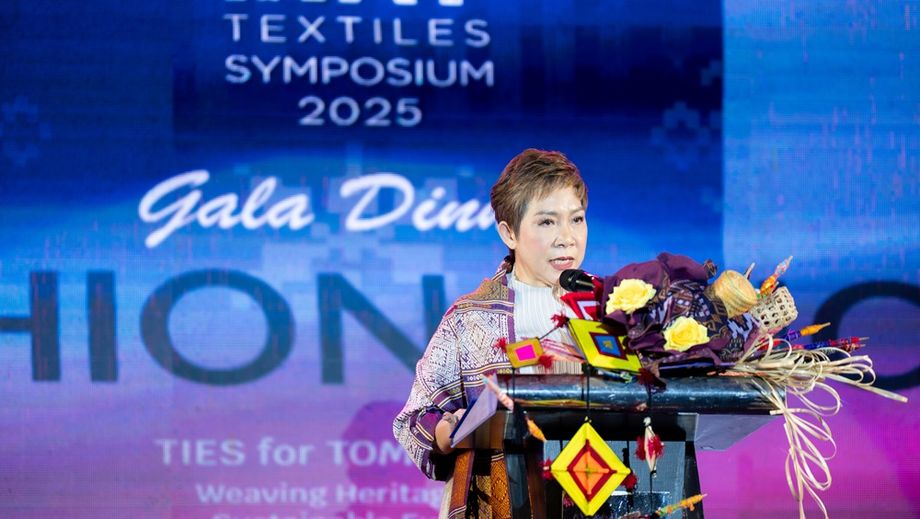 Teerarat: When a global congress or exhibition comes to Thailand, it becomes part of a larger national development agenda.
How do you connect international events with local communities, industries or policy priorities? What types of events are best suited to delivering strong legacy outcomes?
TCEB actively attracts and supports events that align with Thailand’s strategic sectors, including medical, wellness and longevity, future food and agriculture, sustainability tourism, digital, innovation and creative economy.
When a global congress or exhibition comes to Thailand, it becomes part of a larger national development agenda. A medical congress strengthens our healthcare ecosystem. A food exhibition reinforces our position as the Kitchen of the World. A sustainability forum supports our transition toward a greener economy. Events are not isolated activities – they are tools of transformation.
Legacy cannot be created without people. Over the years, we have built a strong collaboration network across government sector, private sector, academia, civil society and local communities, connecting international events with the right local expertise and real community engagement. We also believe that legacy must be inclusive, distributing events across regions through our Appointed MICE City programme, rather than concentrating them only in major cities.
Finally, legacy today must be measurable and responsible. TCEB actively supports Net Zero Events and encourages decarbonisation across all events in Thailand, backed by dedicated measurement tools.
What advice would you give planners looking to incorporate legacy meaningfully into their events in Thailand?
TCEB stands ready to be your legacy partner. We work with planners to design events that deliver real, measurable impact – supporting carbon reduction and offset programmes that meet global standards while creating tangible benefits for local communities. We also help connect events to locally immersive experiences that preserve traditional knowledge and sustain cultural assets. Because legacy is not about what happens during an event; it is about what continues after it ends.
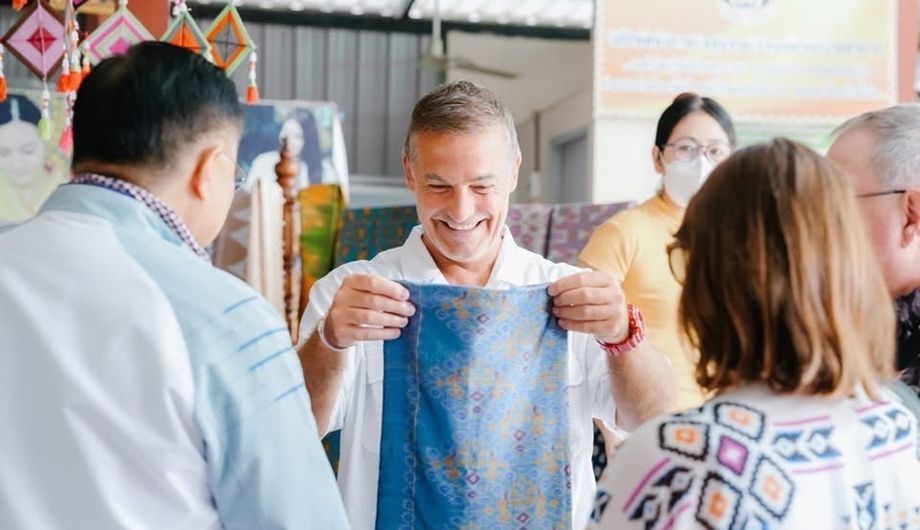 Khon Kaen’s time-honoured silk crowd on the world stage.
Legacy in action
The Khon Kaen Silk Festival in Khon Kaen, Northeast Thailand was traditionally a local fair celebrating silk and community culture. Through collaboration between TCEB, provincial authorities and industry partners, it was transformed into an international platform for knowledge and innovation exchange, drawing textile experts, designers and trade organisations from across ASEAN and beyond. The impact was very real – local producers didn't just sell products but also upgraded skills, improved quality standards and gained international exposure, with their work later showcased to buyers at a road show in France.
**This story is part of M&C Asia’s April–June 2026 cover story exploring **how business events across Asia Pacific are creating lasting legacy and impact**. Click here to read more from **this issue.