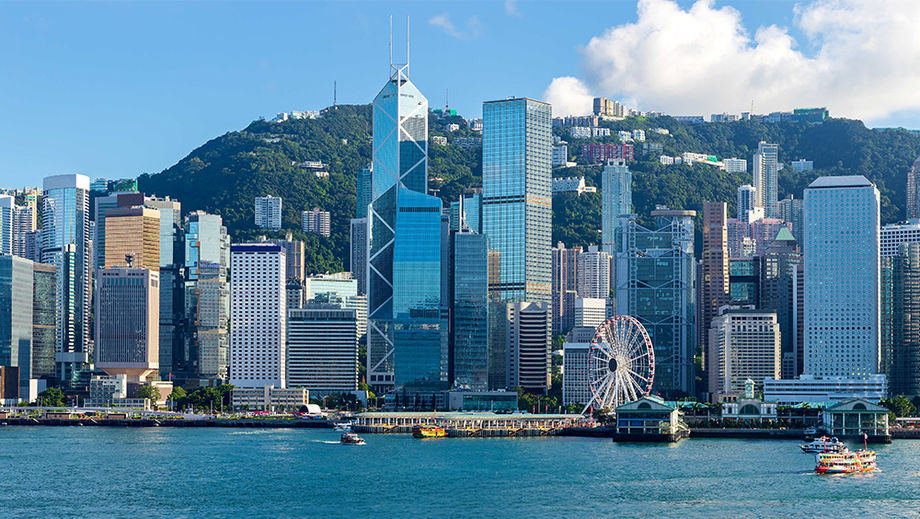
 The resumption of the hotel accommodation tax could provide a challenge for Hong Kong’s gradual tourism recovery and mega-events ambitions. Photo Credit: Adobe Stock/danielskyphoto
In January 2025, Hong Kong reinstated its 3% Hotel Accommodation Tax (HAT), part of the government’s 2024/25 fiscal strategy aimed at addressing its HK$100 billion deficit. This move has raised questions about its impact on the city’s tourism recovery and the MICE prospects.
Balwin Yeung, vice president of sales & marketing at Regal Hotels International, acknowledges initial challenges: “It will naturally take some time for guests, travel planners, and hotel operators to adjust and overcome operational challenges, especially for bookings made before the policy details were provided in October of last year. However, I expect it will take no more than a month for everything to settle, as HAT is a common practice worldwide.”
I expect it will take no more than a month for everything to settle, as HAT is a common practice worldwide.
Balwin Yeung, vice president of sales & marketing, Regal Hotels International
First implemented in 2008, HAT was suspended during the pandemic. Its reintroduction is expected to generate up to HK$1.1 billion annually. However, with average hotel occupancy at 84% for the first 10 months of 2024 – still below pre-pandemic levels of 91% – and nightly rates in premium hotels averaging HK$4,400 (US$566), the added HK$129 per night may impact budget-sensitive travellers, say industry members.
Furthermore, visitors will be charged a HK$65 airport fee, up from HK$55, under the increased Passenger Security Charge. The fee is allotted to security systems upgrades and also went into effect on 1 January.
Related: Big events are driving rebound for Hong Kong MICE
Potential impact on MICE and tourism
However, the tax is unlikely to deter luxury and business travellers, according to event planner Market Hubs' managing director Lierence Li, noting event participation, convenience, and brand loyalty will support decisions to eat the tax.
Tourist taxes are common globally, with Hong Kong’s 3% rate being among the lowest in the region. By comparison, Singapore levies 19% on accommodations, while Thailand and South Korea charge 17% and 10%, respectively.
Ann Foo, director of sales & marketing at Grand Hyatt Hong Kong, asserts, “In general, we do not anticipate that the HAT will have a substantial impact on the hotel business… When compared to similar taxes in other Asian destinations like Singapore, Thailand, and Korea, Hong Kong’s HAT remains the most competitive.”
When compared to similar taxes in other Asian destinations like Singapore, Thailand, and Korea, Hong Kong’s HAT remains the most competitive.
Ann Foo, director of sales & marketing, Grand Hyatt Hong Kong
The tax will have a negligible impact MICE bookings in the immediate term, although it may require additional explanation for leisure travellers unaware of it. “The impact on MICE bookings should be relatively minor,” says Foo. “The implementation of the HAT was communicated to hotels three months in advance, allowing us ample time to inform our corporate clients and event organisers.”
However, Li highlights potential negative effects, including shorter post-event stays and reduced spending on local attractions amid pressure from regional competitors like Singapore and Kuala Lumpur. “These cities often offer more competitive pricing and incentives. The tax could add a layer of cost-related pressure when event organisers evaluate their options,” warns Li.
Related:Is Hong Kong still a meeting hub for luxury brands?
The bigger picture
In a city that is already known as an expensive destination, will the introduction of taxes compel hotels to adjust prices to maintain room rates?
“Hotels will adjust room rates in response to market demand, rather than solely deciding whether to absorb the tax or not,” Foo remarks. External factors such as a strong local currency and rising overall costs are poised to have a bigger impact on both MICE and leisure travel in 2025. “Those could potentially [affect] the city's competitiveness.”
Similarly, Yeung says Regal has no intention of adjusting rates, arguing Hong Kong has never competed based on price, attracting visitors and corporate travellers for its cultural fusion, landmarks, food, shopping and leisure.
Reinvesting in tourism campaigns, offering MICE subsidies, and improving the overall visitor experience would do more in the long run than tourist taxes, “and ensure Hong Kong remains a top destination for business and leisure travellers alike”, states Li.