 According to a US National Library of Medicine 2017 study, almost eight out of 10 Singaporeans suffer from inadequate vitamin D levels – which are important in supporting stable moods as well as immunity. Photo Credit: gettyimages/Fascinadora
Starting the new year with the right energy and mindset sets the
right intentions that will attract positive vibes and occurrences into
your life. So we have been told – to death. But sometimes it’s easier
said than done when you are just simply not in the mood and don’t feel
like it.
Rather than wait for the “hurrah” moment before we start doing the
right things, here’s a reminder to act first so that the right thinking
follows accordingly. Eat right so that the body sends the right signals
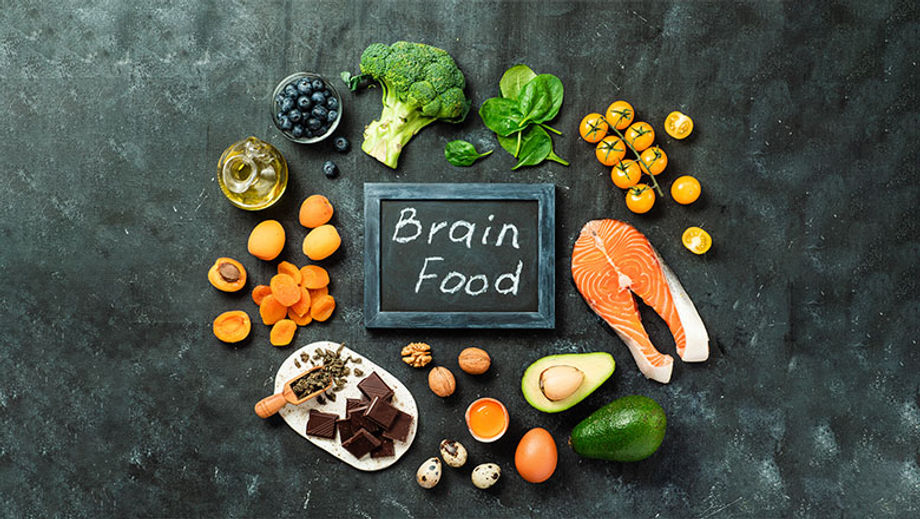
to the brain. Healthy eating is vital in influencing mood, memory and
focus. Fresh, whole plant-based foods will maximise brain function and
prevent cognitive decline.
Remember, the drug we want in our bodies are phytochemicals, not just
endorphins – that’s another topic altogether. Power up with these
superfoods:
Green leafy vegetables such as kale, spinach and
broccoli will always save the day. Spinach is a powerhouse in vitamin C,
beta carotene (source of vitamin A) and antioxidants. It boosts the
body’s infection-fighting capabilities. Take it raw or lightly cooked as
its nutrients are easily destroyed by high heat. Similarly, broccoli is
packed with phytochemicals, vitamin C and vitamin E to help fight off
bacteria and viruses.
Red Bell Peppers contain twice as much vitamin C as
citrus fruits and are just as packed with beta carotene. Vitamin A is
important because it strengthens and rebuilds the tiny hair-like
structures called cilia in the lungs – which are attacked by Covid-19
and causes respiratory problems.
Fatty Fish is one of our favourite proteins and a
good source of omega-3 fatty acids, which supports proper blood flow to
the brain, which in turn facilitates cognitive processing. For optimal
brain function, however, optimal levels of omega-3 EPA and DHA must be
present. Do note that uptake – not intake – of omega-3 is important.
Omega-3 is better absorbed into the body after a high-fat meal than a
low-fat meal. The key is in when you take your omega-3 in order to have
maximum impact.
Walnuts too have been found to improve memory and
cognitive processing with increased consumption. It Is high in a type of
omega-3 fatty acid called alpha-linolenic acid, which supports lower
blood pressure and cleaner arteries, thus benefiting both brain and
heart.
Mushrooms are often referred to as the “sunshine
vitamin” as they are a good source of vitamin D. Importantly, it has
high levels of a type of antioxidants called “ergothioneine” that are
essential in preventing cognitive decline due to chronic
neurodegenerative disease. Research has shown that people with the
steepest decline in ergothioneine showed the highest incidence of
cognitive impairment.
The best superfood to make it to the list published by Harvard Medical School is probably tea and coffee
– for many I’m sure. Caffeine offers more than just a short-term boost
in concentration. A study in the Journal of Nutrition had found that
participants with higher caffeine consumption scored higher on cognitive
tests. This makes a very strong case for ensuring delegates always get
good tea and coffee at events.