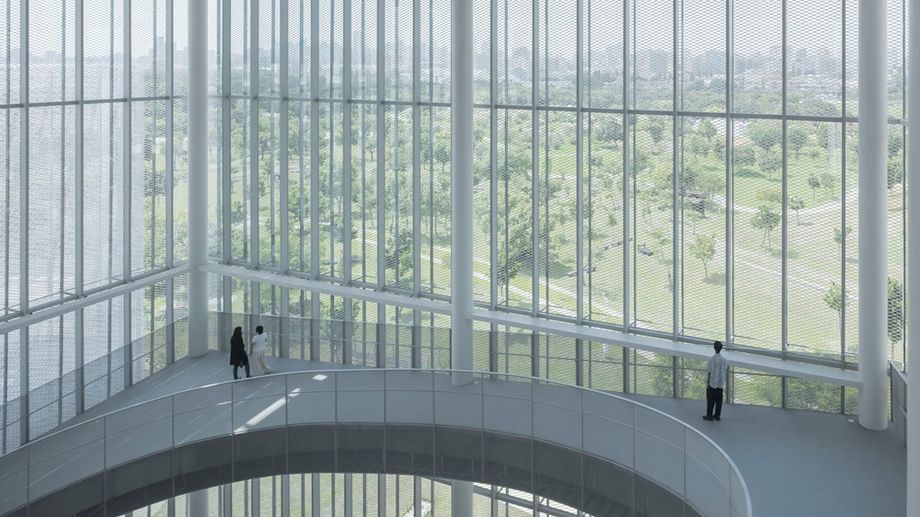
 The new Taipei City Art Museum brings art and nature together. Photo Credit: Taichung Art Museum/Iwan Baan
Taiwan’s business events ambition are backed by scale. TAITRA, Taiwan’s trade promotion body,
delivered 144 trade programmes and staged 25 international shows in 2025, supporting approximately 74,000 companies globally. The island ranks sixth in Asia Pacific for UFI-recognised B2B exhibition space, with total hall
capacity growing a further 5.47% in 2024 across a six-city MICE corridor stretching from Taipei to Tainan.
In March 2026, Meet Taiwan co-launched a cross-Asia CSR Day initiative with Japan Convention Management Association and the Asia Venue Alliance, mobilising convention venues across the region to take visible sustainability action on a single day – a small but pointed signal of where Taiwan’s industry ambitions are headed.
What distinguishes Taiwan’s current momentum is how its venues are responding by embedding themselves in cultural, industrial and natural contexts, moving beyond conventional formats to
offer programmes a sense of place that organisers are increasingly seeking to deliver.
Museum fusion: New Taipei City Art Museum
Opened in April 2025 in Yingge, a district defined by its ceramics heritage, the museum spans eight floors and 33,000 sqm across exhibition, performance and public spaces. A surrounding 10ha parkland, riverside terraces and artisan
streets offer a natural extension for networking and fringe programming. Nearby workshops, Yingge Old Street and the Yingge Ceramics Museum can be woven into delegate itineraries.
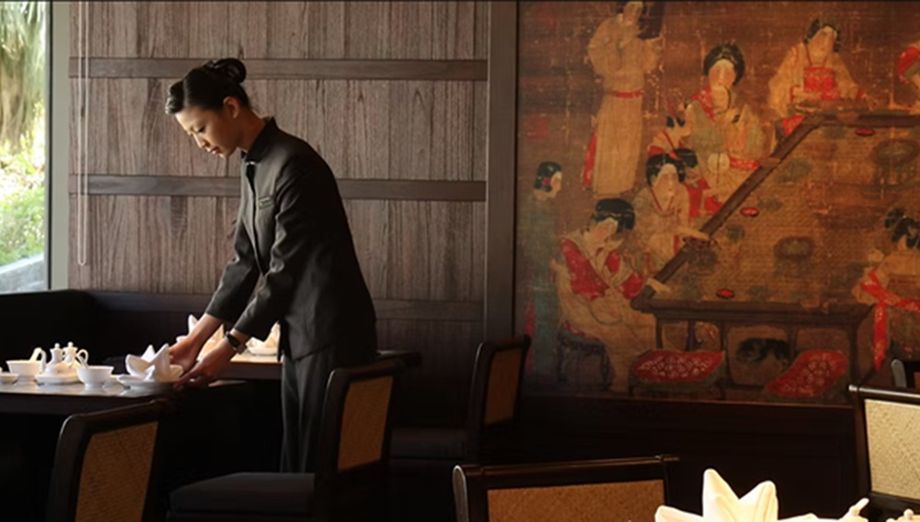 A special menu features dishes inspired by iconic museum artefacts such as the Jadeite Cabbage. Photo Credit: Silks Hotel Group
Dynastic treasures: Silks Palace
Sited within the National Palace Museum in Taipei – home to 700,000 artefacts spanning the Song, Yuan, Ming and Qing dynasties – Silks Palace turns a cultural detour into an event highlight.
The banquet hall accommodates up to 400 guests in theatre layout or 35 round tables for gala formats. Dishes inspired by iconic museum artefacts such as the Jadeite Cabbage and Meat-shaped Stone, alongside imperial heritage recipes, link the dining experience directly to the collection.
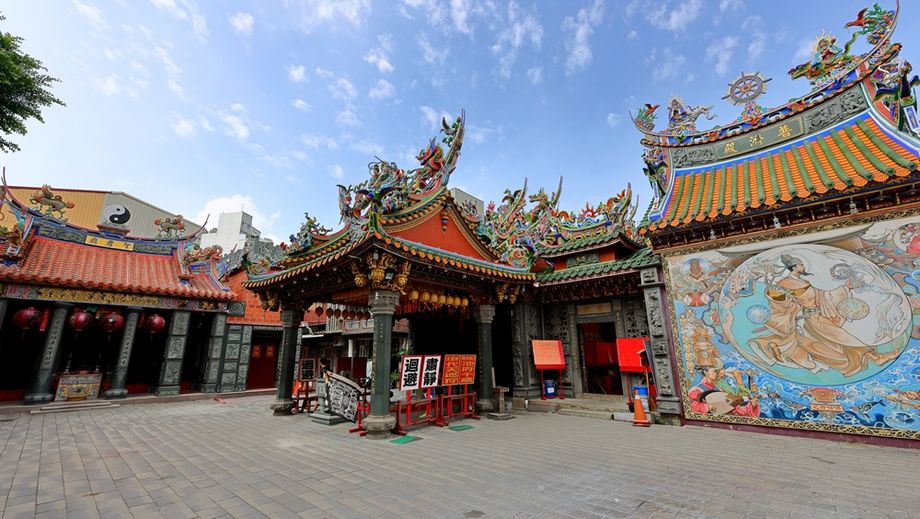 How about welcome receptions on temple grounds? Photo Credit: iStock/leochen66
On blessed grounds: Puji Temple
Puji Temple has evolved into an active event venue through Temple Meltdown, a local series that brings DJs, music and social programming into its courtyard. Its premises work well for welcome
receptions, cultural evenings or themed networking.
The temple’s heritage architecture and lantern-lit surroundings provide visual production without additional staging. Located in the historic
capital of Tainan, Taiwan’s historic capital, the temple is within easy reach of old-town walking tours, street food trails and heritage districts that can frame the wider programme.
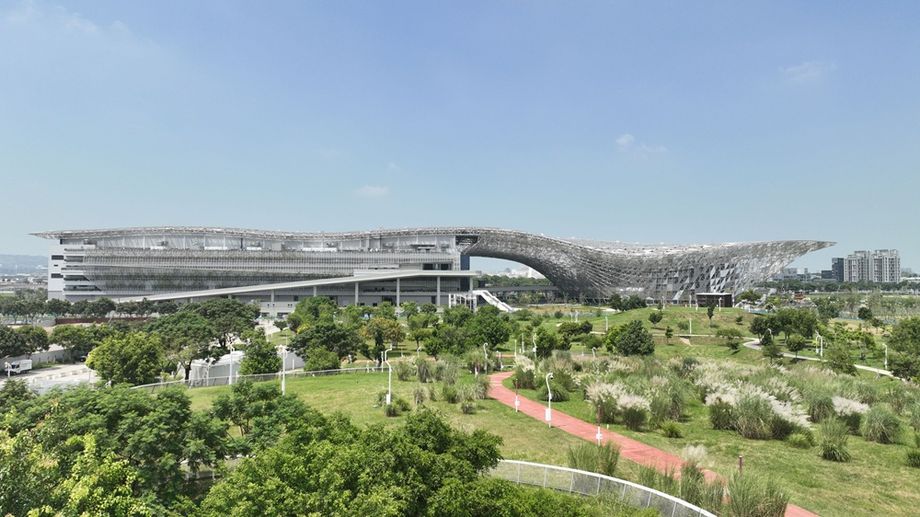 TICC is the first in Taiwan to earn diamond-level green building certification. Photo Credit: MEET Taiwan
From industrial to social: Taichung International Convention & Exhibition Center
When the centre opened in October 2025, it became central Taiwan’s largest MICE venue and the first in the country to earn diamond-level green
building certification. It accommodates up to 12,600 participants, with ceiling heights of 12m and reinforced floors designed for heavy industrial equipment. Located within the Shuinan Economic
and Trade Park, it enables seamless integration of factory visits and buyer–seller sessions with central Taiwan’s precision engineering, automotive and green energy sectors.
Also within the parkland is the Taichung Green Museumbrary, which integrates a metropolitan art museum and library complex. A rooftop garden, surrounding plazas and open spaces provide a natural transition for networking breaks or informal post-event activities.
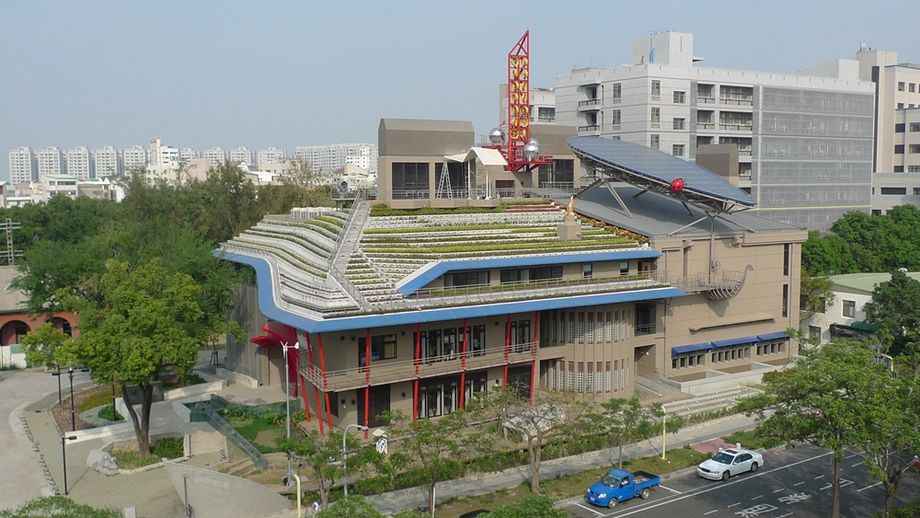 Here, delegates aren’t discussing sustainability in theory; they’re sitting inside it. Photo Credit: National Cheng Kung University
Green goals: Magic School of Green Technology
Taiwan’s first zero-carbon building, certified under both EEWH and US LEED, the Magic School of Green Technology at National Cheng Kung
University in Tainan reframes what an ESG-focused event looks like.
Delegates aren’t discussing sustainability in theory; they’re sitting inside it. Meeting spaces range from Chonghua Hall for up to 330 to smaller rooms for 30 to 80, with capacity for seminars, training sessions and performances. Guided tours of the ecological ponds, rainwater harvesting systems and roof gardens can be built directly into the programme.
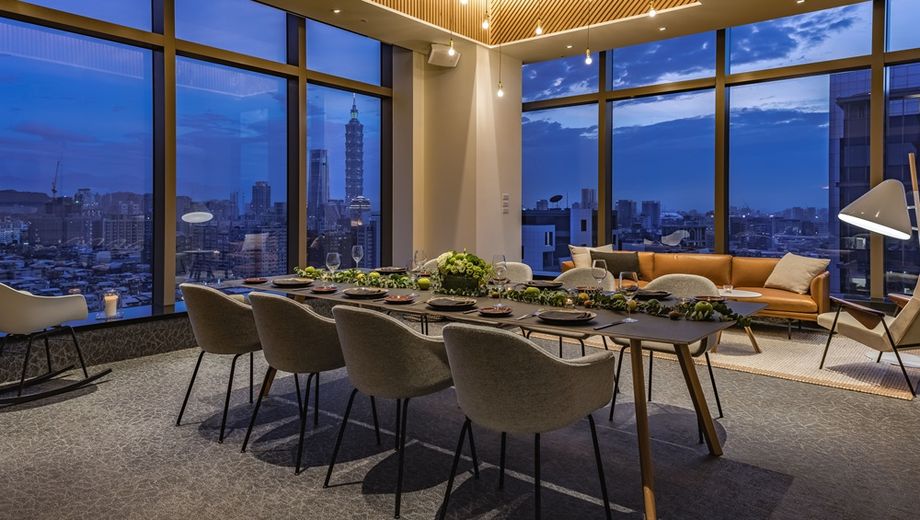 Hotel Studio with a view of Taipei’s 101 at Amba Taipei Songshan.
Meetings with a view: Amba Taipei Songshan
Natural daylight fills the venues at this hotel, with views of Taipei 101 and the Keelung River. Spaces range from the Studio for intimat groups of up
to 10 to the SPIN room, fitted with a ping-pong meeting table, and extend to banquet venues for up to 280 guests.
For social functions, the Que Atrium, communal spaces and the river-facing Que 1 – complete with a show kitchen – each offer distinct settings for varied programming.
This article was first published in Meeting and Convention Asia's April-June 2026 issue. Click here to read more from this issue.