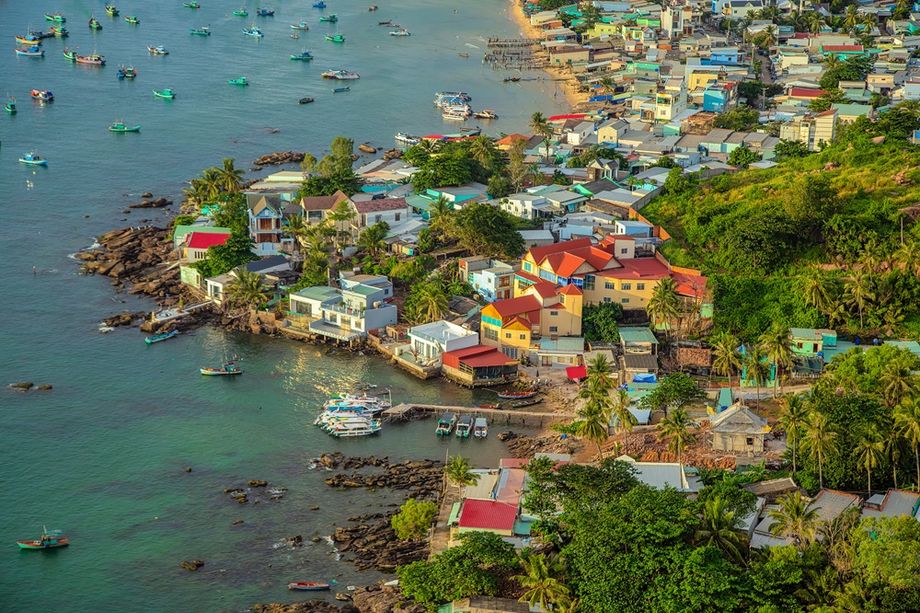
 Cities such as Phu Quoc in Vietnam are steadily gaining interest from MICE groups for their improving accessibility and greater sense of novelty and culture. Photo Credit: Adobe Stock/Nam
Second-tier cities across Asia are proving more and more attractive, a trend driven by cost considerations and by delegates wanting more alternative, authentic experiences.
According to CWT's 2025 Global Business Travel Forecast, published in September, the average daily cost per event attendee rose in 2024 and is projected to continue this trend in 2025.
Petrina Goh, head of Commercial, SEA & Hong Kong at CWT Meetings & Events, highlights that clients are showing a growing interest in destinations such as Pattaya, Koh Samui, Phu Quoc, Nha Trang, and Yogyakarta. These locations offer smaller crowds and a greater sense of novelty.
Cost benefits and unique offerings
Goh notes, “These destinations are rich in culture and diverse in their offsite activity offerings such as tours, unique dinner venues, and entertainment acts for the social elements of an event programme. Companies can get a lot more for their money by using a secondary city, such as exciting external team-building activities, offsite restaurant choices, and even some meaningful local CSR activities. With an increasing number of flight options to these cities, airfares are becoming more manageable as well.”
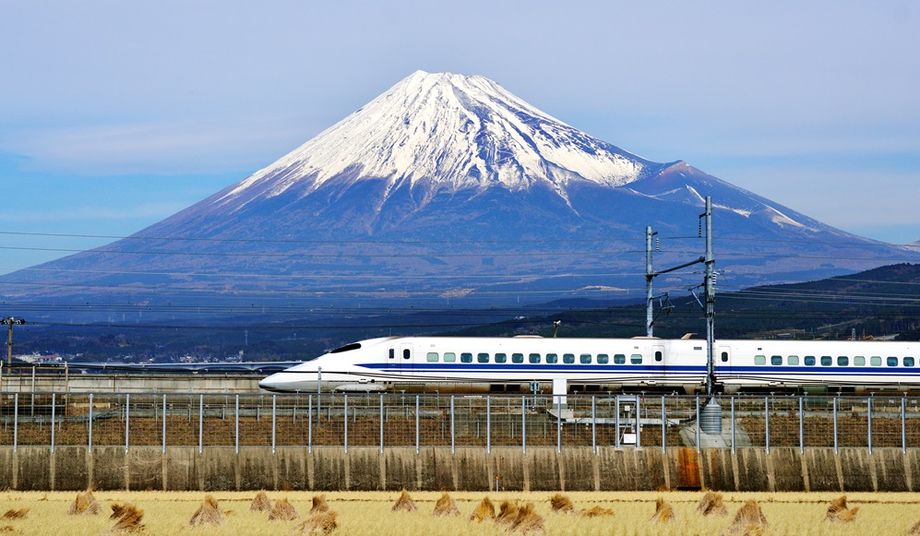 Osaka and Kyoto are attracting MICE planners with their lower costs and seamless travel options, including numerous flights and efficient bullet train access for quick commutes. Photo Credit: Adobe Stock/SeanPavonePhoto
In Japan, cities like Osaka and Kyoto are attracting MICE planners not only due to their lower costs compared to Tokyo but also because of enhanced flight options and bullet train access. Johnny Fujimura, general manager of BCD M&E Japan, adds that these cities can accommodate international guests and often prioritize them.
Cultural richness and discovery
The cultural richness of lesser-known cities creates a sense of discovery that enhances event experiences.
Lorela Chia, managing director of Gr8t Dreams, states, “For some clients, the allure of unique, off-the-beaten-track locations outweighs the logistical challenges. Industries like tech start-ups, fashion, and creative agencies are particularly drawn to these destinations for the fresh, authentic experiences they offer, which can elevate their brand narratives and set events apart.”
Hosting events in these culturally rich locations also stimulates local economies, developing MICE capabilities and driving growth in tourism and hospitality, benefiting both the host and the city.
Potential and challenges for emerging destinations
Many tier-2 and even tier-3 cities are also well-known tourist destinations. In China, cities like Kunming, the capital of Yunnan province, and Sanya on Hainan Island offer unique cultural and beach experiences.
However, the popularity of some destinations can create challenges. Jennifer Ma, executive president of Grand China MICE Holdings Co., Ltd, points out that seasonal barriers can affect accessibility, particularly for cities like Zhuhai and Sanya, which tend to be fully booked and expensive during peak season from November to January.
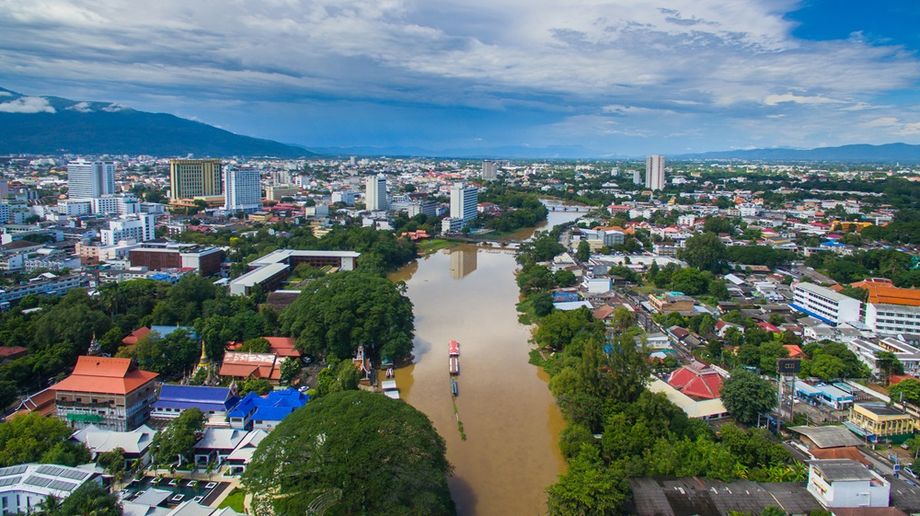 Although cities like Chiang Mai lack large-scale convention facilities, they compensate with their rich cultural offerings. Photo Credit: Adobe Stock/luvvstudio
As planners look for the next emerging destinations, places like Chiang Mai in Thailand, known for its cultural charm but lacking large-scale convention facilities, and Da Nang in Vietnam, which offers beautiful coastal venues but is still developing its infrastructure, could be on the radar.
Chia mentions that Kuching in Malaysia provides unique cultural and eco-tourism experiences, but it, too, is developing its international connectivity and large-scale event infrastructure compared to cities like Penang or Kuala Lumpur.