.jpg?tr=w-920%2Cfo-auto "Stretching the buck by choosing second-tier destinations, working in more free-and-easy time, and other ways of adapting.") Stretching the buck by choosing second-tier destinations, working in more free-and-easy time, and other ways of adapting.
Stretching the buck by choosing second-tier destinations, working in more free-and-easy time, and other ways of adapting.
The past year has been anything but predictable – from global tariffs and geopolitics to rising costs of service. For event planners, the pressure is greater than ever: deliver memorable experiences with tighter budgets, shorter lead times, and rising expectations.
At the recent M&C Asia Connections 2025 in Bangkok, the panel From Budgets to Brilliance: Doing More with Less brought together three experienced planners from Asia, North America, and the Middle East to share how they’re adapting with agility, creativity, and collaboration.
Pushing limits
For MacKenzie Fischer, marketing, events and recognition manager of Syona Group – a US-based direct marketing company – the current business landscape is “challenging”.
“We’re making decisions later and not signing contracts until about 90 to 120 days out,” said Fischer. “We’ve paused anyone coming to the US for 2025 and a little into 2026, because we’re playing a waiting game.”
With teams that spread across the US, Mexico and APAC, Syona is pivoting to smaller events within specific markets rather than one large global gathering.
In the Middle East, Shehazad Ahamed, co-founder of Dubai-based Luxotic Event, observes greater prudence despite budgets. “Dubai clients have huge budgets, but they want savings” to invest in future events, whereas budgets in Saudi Arabia are three times higher than anywhere else in the Gulf.
Meanwhile, in Asia, Dee Dee Quah, director of Kuala Lumpur-based professional conference organiser Medical Conference Partners, said: “The lead time for corporates is shorter. Registration for events is a lot slower to come in. Everyone’s adopting a wait-and-see attitude.”
While corporate clients are cutting closer to event dates, Quah observed that associations are booking earlier than ever to lock in rates and secure competitive venues. She urged hotels to give indicative prices for 2028, 2029 and even 2030, noting that competition is now “destination versus destination” in a highly competitive market. Early pricing helps planners secure grants and manage long-term bids before budgets disappear.
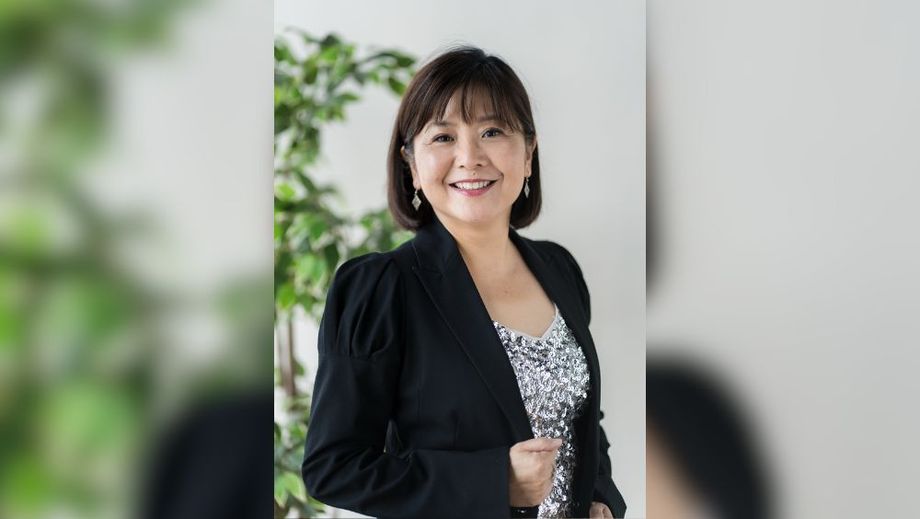 "We can’t have everything in-house. It’s about leveraging each partner’s strength to deliver value together,” says Dee Dee Quah, managing director, Medical Conference Partners
It’s not just about the money
Despite the headwinds, Quah added that “it’s not all doom and gloom”. She pointed to potential through “leveraging your networks and existing clients and seeing how we can assist them.”
With costs rising in main cities, second-tier destinations such as Chiang Mai, Pattaya, Danang, and Kuching are gaining attention. “They’re affordable, connected by budget airlines, and offer unique wellness or nature-based experiences,” Quah said, citing research and academic conference groups as examples.
Ahamed pointed out that destination choice even for big-budget sectors like the pharmaceuticals or automobiles is not just about money.
As an incentive and conference planner whose delegates typically hail from the Arab world, from Lebanon to Egypt and Jordan, Asia is more attractive for its friendlier visa policy and easy logistics, as opposed to the Schengen, UK or US.
Creative strategies
Amid the pressures, how do event planners deploy smarter planning and strategies to stretch every dollar?
For Syona, savings come from giving incentive travellers more free time – cutting back on curated activities but boosting satisfaction. “Instead of multiple-option programmes, we focus on one dinner, some training, and then free time,” Fischer explained.
The result? “Resounding excitement and happiness,” she said, as delegates get to spend time the way they prefer, whether it’s more time to spend with a partner, doing an excursion, answering emails or just taking a nap by the pool. That also translates into quality time with colleagues they might not meet otherwise, increasing professional satisfaction. “That’s our ROI,” she said.
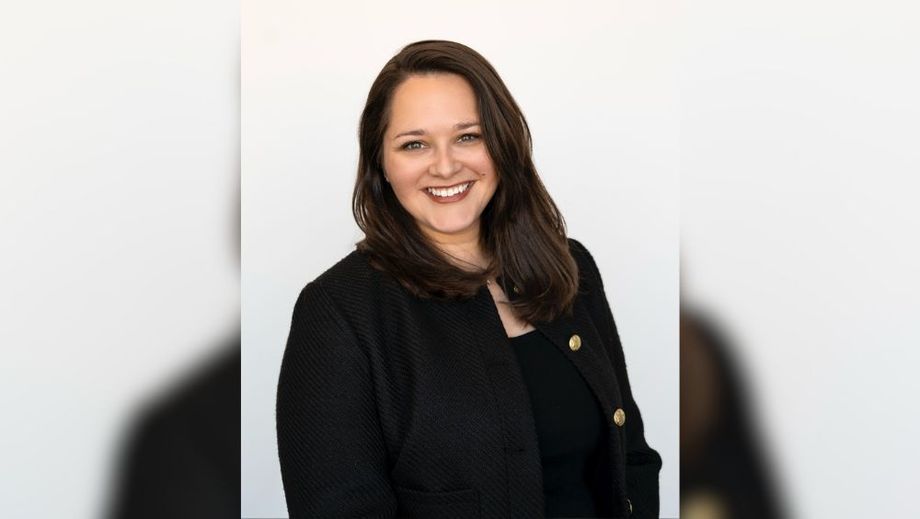 “Instead of multiple-option programmes, we focus on one dinner, some training, and then free time," says MacKenzie Fischer, marketing, events and recognition manager, Syona Group
Event preferences are also shifting, with attendees showing a preference for quality over quantity as the wellness movement gains ground. “Instead of buffets, a premium lunch box feels more personal and sustainable,” Quah suggested.
Quah also finds value in working with hotels with amenities and services geared towards events and meetings. “Hotels with built-in LED walls are a big win for me, because that helps to save costs – we can simply move in on set-up day without having to bring in an AV team,” she said. “Even breakout rooms with LEDs look more impressive than projectors.”
In a world of uncertainty, Quah believes building long-term partnerships is essential for SMEs like hers to remain agile. “We can’t have everything in-house. It’s about leveraging each partner’s strength to deliver value together,” she said.
Ahamed agreed that having direct supplier relationships speed up decision-making. “Clients expect replies immediately, hence direct relationships make that possible.”
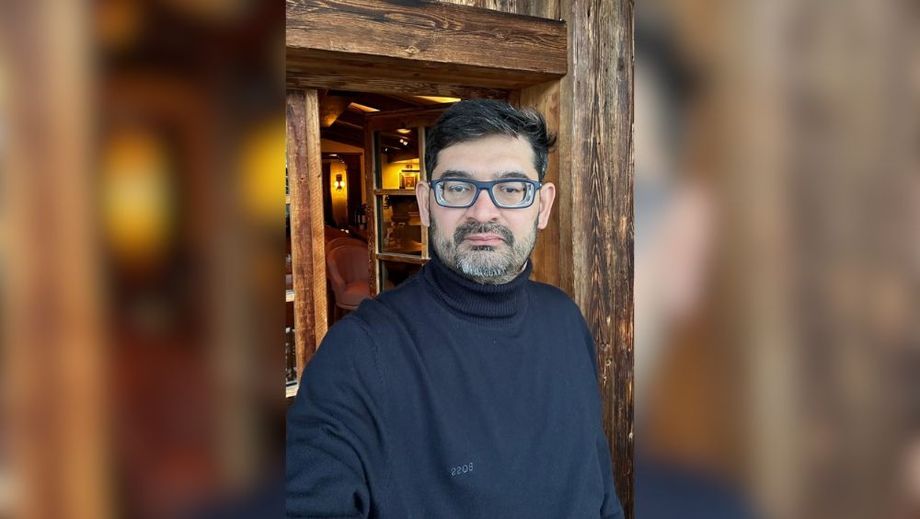 "There is no budget issue, but clients still want 5-10% savings," says Shehazad Ahamed, co-founder, Luxotic Event
What’s ahead?
Looking ahead to 2026, all three planners see Asia as a bright spot.
For Ahamed, Asia is increasingly attractive. “Any incentive groups with over 100 participants will always prefer to go with Asia-Pacific,” he said, adding that Thailand and Malaysia are among the preferred destinations.
Quah also sees strength in her home market of Malaysia, because the weakened ringgit and new visa-free policies for Chinese and Indian travellers are creating fresh opportunities.
When’s the pull factor in Asia, there’s also push factor from America. Alluding to US President Donald Trump’s unpredictable messages, Fischer said: “My entire event world can change with one tweet.”
This article was first published in the October-December 2025 issue of M&C Asia as the “The art of doing more with less” feature. Click here to read more from this issue.