 Silver Factory developed the TracieX breathalyser, currently under trial at Singapore Changi Airport.
Forget nose swabs — Covid-19 breathalysers could soon offer a faster, more effective way to detect coronavirus at events.
Breath tests are currently being trialled in Singapore to facilitate travel at Changi Airport and at a causeway checkpoint between the city and Malaysia.
Giving the polymerase chain reaction (PCR) test a run for its money is the TracieX breathalyser, developed by Singapore medtech firm Silver Factory, where a trial of some 1,400 people in Singapore and Malaysia delivered similar accuracy rates (more than 95%) — and test results in just two minutes. A current pilot of TracieX at Changi Airport will soon be scaled up to eventually replace Antigen Rapid Tests (ARTs) for airport workers.
Another Singapore-developed breathalyser, the BreFence Go, has been trialled locally and in Dubai, with similar accuracy, and Covid-19 detection within a minute. Meanwhile, PCR tests typically require 24 hours for results.
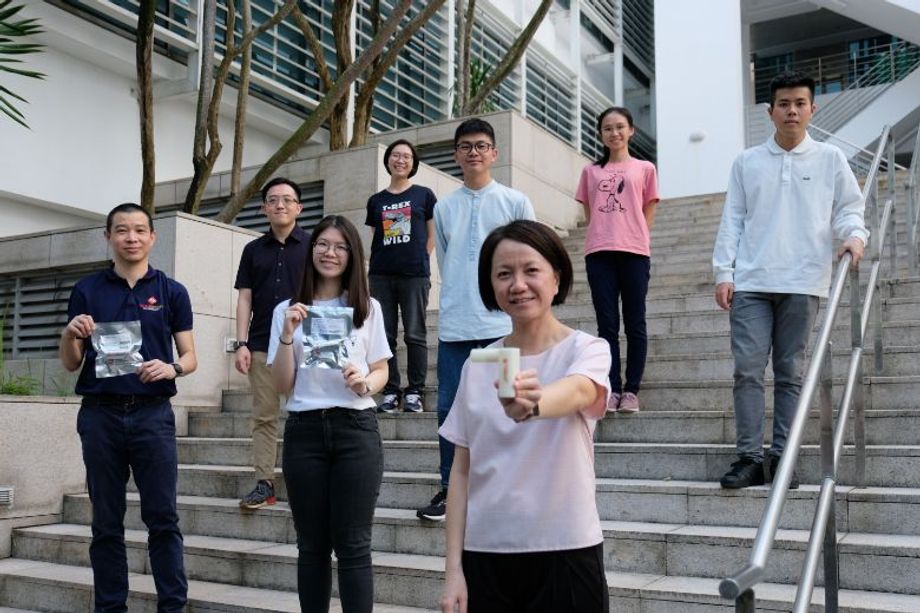 With strong commercial interest, Singapore medtech firms Silver Factory (pictured) and BreFence Go are in discussions with local and international organisations to scale-up the use of breathalysers.
For now, ARTs are the most efficient option for pre-event testing, with results delivered within 15 minutes. This is the testing method of choice for many event planners, and was introduced as part of a pilot programme last October at Singapore International Energy Week (SIEW), which gathered 250 in-person delegates — all of whom were tested before entering the plenary hall.
Dylan Sharma, co-founder of professional conference organiser TRICOM, which managed SIEW 2020, described the on-site ART pilot as “a true game changer” as it supported the safe return of in-person events.
Validating its efficacy and popularity, venues such as Suntec Singapore Convention & Exhibition Centre now include ART as a service when planners book an event, as Kristina Forssell, managing director at Destination management company, 8th Wave, pointed out.
TRICOM has since offered “concierge testing services” for VIP events by working in partnership with selected clinics in Singapore. This helped streamline registration, and avoid crowding.
Singapore will continue monitoring each testing method, including “the usage of breathalyser tests in various settings, to determine its suitability for MICE events”, said Andrew Phua, executive director, exhibitions & conferences, Singapore Tourism Board.
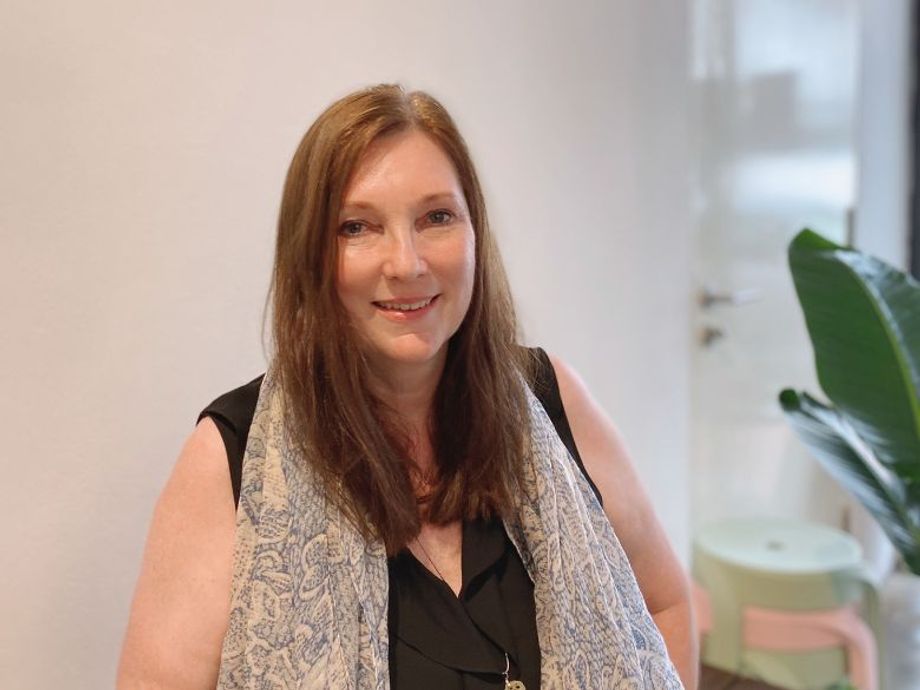 8th Wave's Forssell: less-invasive breath tests could normalise the event experience.
Testing: Pros and Cons
While delegates have become accustomed to this “necessary evil”, the additional cost and logistical challenges of mandated pre-event testing has planners like Forssell encouraging clients to hold virtual events instead of hybrid meets.
She shared a cost breakdown for ART pre-event testing: between S$30-40 (US$22-30) per person per test, with a minimum guarantee of 50 attendees. Sometimes, renting a room is necessary to set-up a testing area, from S$500 a day. There’s also the option of queue poles and signage, another S$500; and additional manpower.
These costs balloon if the event is required to travel, such as the IISS Manama Dialogue 2020, where TRICOM led a team of 15 from Singapore to Bahrain. Sharma described traveling during a pandemic as a “surreal experience”. Each team member had to undergo two PCR tests, one on arrival in Bahrain, and another three days prior to the event; and had to quarantine at home for two weeks upon return to Singapore.
Silver Factory’s breathalysers are fitted with a sensor chip and cost around US$20 each, but the cost is likely to drop if production volume increases, a Silver Factory representative told M&C Asia. If approved, these fast tests could facilitate safe travel and cost-effective screenings at large-scale events.
“As we gradually scale up our capacity for larger business-to-business events, we welcome the use of technology and innovative solutions that can enhance safety as well as the event experience,” said STB’s Phua.
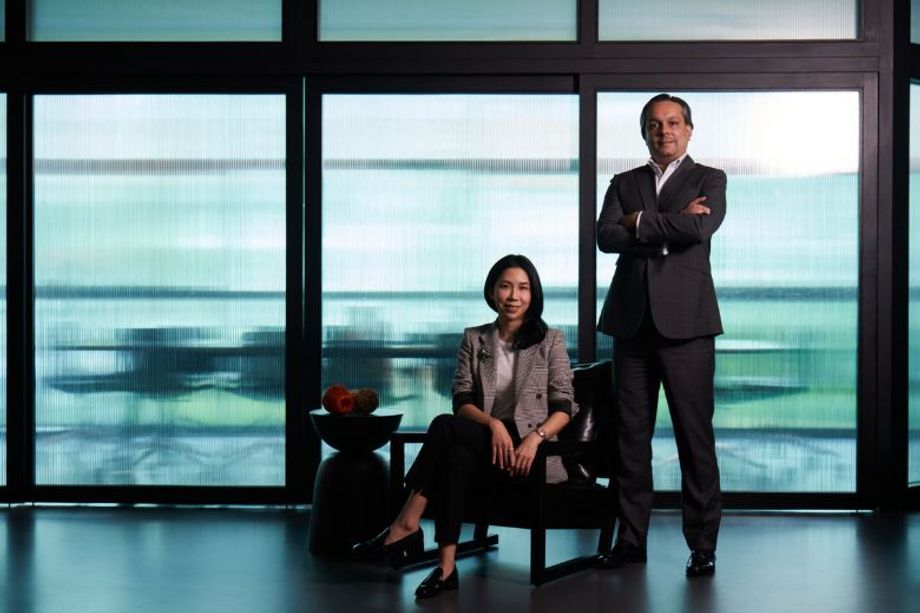 TRICOM's founders Janice Swee and Dylan Sharma. Photo Credit: Nicky Loh
Janice Swee, TRICOM co-founder, added that while the cost of test kits will “become more efficient very rapidly,” she cautioned that “associated costs of additional logistics [such as the above] will remain, and continue to be borne by the client or organiser”.
This is why Forssell believes breathalysers will “normalise the event experience from the client perspective”. She noted that apart from a potential environmental impact — both TracieX and BreFence Go uses disposable mouthpieces — “I honestly can't think of any other con”.
Silver Factory added that the feedback “is that people generally prefer the breath test compared to other methods of detection, due to simpler and less-invasive specimen collection and faster analysis time”.
With strong commercial interest, the two Singapore medtech firms are in discussions with local and international organisations to scale-up the use of breathalysers.
Swee is also looking forward to the day when DIY test kits and accompanying verification can be used at events, because “each step forward gives the members of the MICE industry increased confidence and gumption to keep moving forward”.