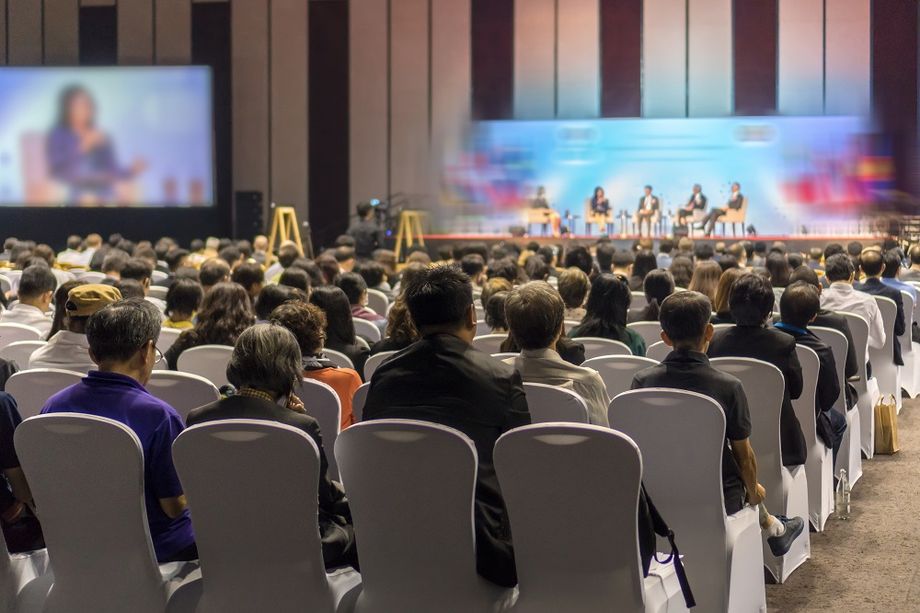
 The industry is moving towards using data to match buyer and seller expectations and analysing attendee's one-to-one connections to provide insights into their interests and buying behaviours. Photo Credit: Adobe Stock/THANANIT
Over the past three years, the events landscape has undergone
significant changes, with event professionals adapting to virtual and
hybrid formats and redesigning in-person events to address attendees'
post-pandemic needs and concerns.
Thus, it is logical that the measurement of event success should be
reevaluated or even changed. Petrina Goh, regional commercial director
at CWT Meetings & Events for SEA & Hong Kong, notes that there
is now a greater emphasis on the quality of content to attract attendees
amidst the strong rebound of in-person events.
“Audiences today are highly attuned to ‘meaningful meetings’ – they
are more inclined to invest their time and money in a trade show that
may have a higher ticket price but offers excellent networking
opportunities and content tailored to their specific interests, rather
than a generic event with a very broad audience,” she says. “For
example, curating and ensuring the presence of industry experts and
thought leaders at an event can help drive participation from attendees,
exhibitors and sponsors.”
According to Beth Surmont, Vice President of Event Strategy and
Design for Marketing, Strategy, and Experience at 360 Live Media,
understanding an organisation's desired outcomes for its events is
crucial to determine if they were worthwhile. In a recent PCMA article,
Surmont suggests setting key performance indicators based on goals such
as non-member participation, first-time attendees, and conversion rates
to membership or program subscriptions for associations.
“Most organisations also have goals around revenue, and the new
environment we find ourselves in requires us to consider other ways
events generate short- and long-term revenue,” she says in the article.
“For example, a trade show can measure the quality of the buying
audience over quantity. If you know now that your attendance numbers for
an upcoming event may not reach 2019 levels, you can take control of
the story and attract more sponsors and exhibitors by communicating such
details as registrants’ job titles, decision-making authority, and
projected budgets.”
Goh suggests that organisers should avoid 'forced' appointment
schedules that require attendees to achieve a certain number of meetings
per day and generic content. Instead, organisers should use pre-show
data, such as content interest surveys and industry trend reports, to
match buyers with the appropriate exhibitors.
“Ensure the content that each speaker is presenting is tailored to
what the target audience actually finds interesting and useful,” she
says. “This naturally means that more work must be put into pre-show
preparations, such as content surveys to understand the audience’s
objectives and expectations, and to then better prepare exhibitors and
speakers.”
Goh notes that the industry is shifting away from metrics focused on
attendance and improvement, and towards using data to match buyer and
seller expectations. For instance, analysing the type of one-to-one
connections or meetings that attendees make during an event can provide
insights into their interests, buying behaviours, and preferred topics
or trends. Organisers can use this information to tailor conversations
and boost interest in future events.