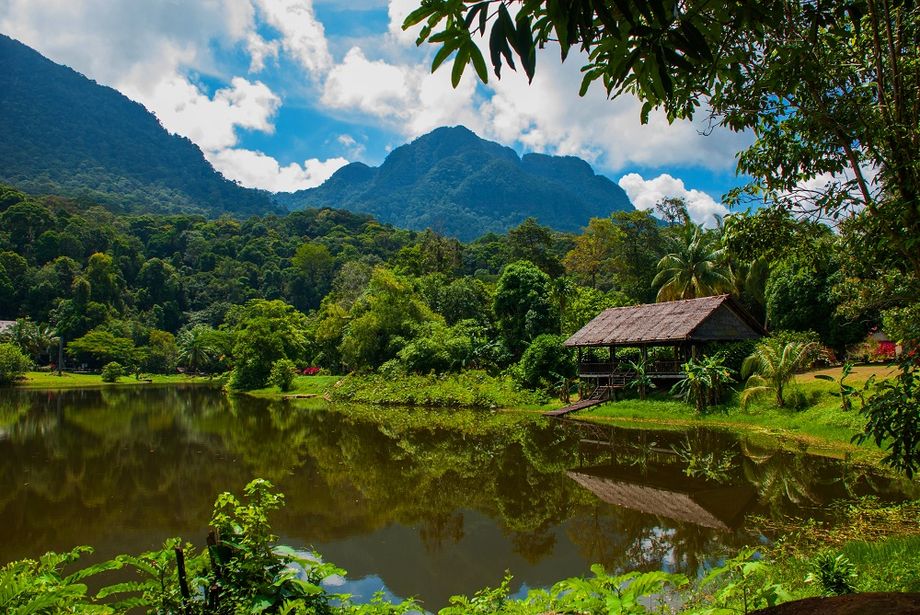
 Sarawak: a leader in legacy events Photo Credit: Adobe stock/Anna ART
With businesses increasingly expected to consider their events’
social impact on local communities and the environment, there is a
renewed focus on event legacy from all stakeholders involved: venues,
destinations, convention bureaus and planners. Legacy initiatives ensure
that an event’s impact extends beyond its duration, contributing to the
long-term wellbeing of host destinations.
Legacy is not easy to define however, and means different things to
different people. BestCities, a global alliance of convention bureaus,
looks at legacy as the culmination of short-term meeting outcomes which
result in positive long-term impact. Its managing director, Lesley
Williams, said examples include the Olympic Games which can often leave
significant legacies - the development of new sports facilities,
infrastructure improvements, urban regeneration, and increased tourism.
“World Expos are also great examples of legacies,” she said. “Dubai,
having hosted the 2020 World Expo in 2022, is transforming the Expo site
into District 2020, an all-inclusive, smart city, where 80% of Expo’s
built environment will be turned into a global innovation hub.”
Melbourne Convention and Exhibition Centre (MCEC) is currently
reviewing its legacy programme to better demonstrate to its customers
how they can leave an impact during and after their event.
“We’re currently trialing new sustainability initiatives to help
event organisers reduce their impact on the environment, like replacing
traditional disposable coffee cups with stainless steel alternatives for
delegates,” said an MCEC spokesperson. “We also have a long-standing
partnership with food rescue organisation OzHarvest, to collect and
reduce food waste.”
Williams said ensuring a meeting is sustainable and creating a
purpose beyond a ‘meeting for meeting’s sake’, will potentially help
attract sponsors, speakers, exhibitors and delegates.
“Will a day come when destinations seek only to attract and invest in
purposeful and sustainable meetings and only bid for meetings with the
right credentials?” she asked. “If so, those who do not consider legacy
may find their choice of potential host destinations shrinking.”
Attendee expectations
Williams also believed that delegates will start to demand elements
of legacy. “They need a solid reason to attend meetings – gone are the
days when delegates attend meetings because they always have.
Sustainability concerns and the acceptance of online meetings gives
delegates a choice as to whether they want to travel or not. Meetings
with purpose will therefore thrive.”
Malaysia Convention & Exhibition Bureau (MyCEB) said it is
redefining event legacies by focusing its bid and support on business
events that have a profound impact on society, the business community
and the population at large. It is also pressing for greater recognition
of events beyond the tourism sector.
“We are pushing our government advocacy efforts by strengthening
multi-sectoral and inter-ministerial cooperation with the appointment of
one focal point contact from all ministries,” said a MyCEB
spokesperson. “This is important for us to continue to highlight to the
government that the long-term impact of business events transcend beyond
tourism benefits and cover across ministries. In order to maintain an
event's legacy amidst leadership changes and financial considerations,
backing from the ministries and stakeholders is required.”
Get planning
ICC Sydney meanwhile has a dedicated legacy programme in place,
spanning five streams: First Nations, Innovators and Entrepreneurs,
Creative Industries, Generation Next and Environmental Sustainability.
“The key to solving [event legacy] delivery challenges is to start
conversations early,” said Samantha Glass, director of corporate
affairs, communication and sustainability at the venue. “If we
understand your objectives early on, we can support your goals with
local knowledge and an innate understanding of our venue.”
Glass said that ICC Sydney’s legacy programme is complemented by a
F&B philosophy of bringing the best of local and regional food and
wine producers to the table, taking event attendees on a gastronomic
tour of the region.
Agency CWT says that cost and logistics can be challenges to factor
in when considering event legacy, but organisers need to think
creatively and find the right activity for the demographic within the
budget and time that is available.
“Some destinations get pre-chosen by the organisation’s leadership,
but may not always be the best fit for corporate goals,” says Ian
Cummings, global head, CWT Meetings & Events. “Many locations, such
as Barcelona and Athens, can be facing over-tourism, alongside locations
where excessive footfall is damaging the environment and these places
should be given a break. It can be hard to do – but think outside the
box, consider secondary cities, and look for ways to engage with the
location and culture.”
The right focus
With many destinations today grappling with over-tourism, it is vital
to ensure the industry focuses on change for good and that event
professionals leave a place in better shape than when they arrived with a
group.
“We should support local employment, local cultures, local food and
infrastructure, and always be conscious about the environment in which
we operate,” added Cummings.