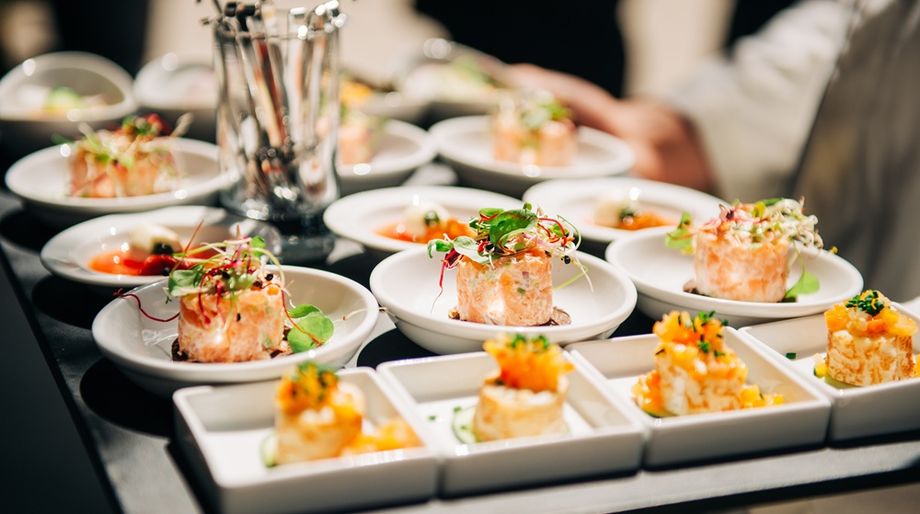
 Practical fixes range to curb food waste: Food swaps, zero-waste menus and food competitions are all on the menu Photo Credit: Adobe Stock/annanahabed
Minimising food waste from events before the food’s even been served would be high up on most planners’ agendas. But just how feasible is this?
At a recent SITE webinar, ‘Beyond the Plate: Exploring Food Waste in Incentives and Events’, panellists from tourism organisations, restaurants and consultancies discussed different ways planners can prep for food waste and reduce emissions pre-event.
1. Swap in, swap out
Natalie Fulton, business events manager at Tourism New Zealand, said reviewing individual menu items and making strategic swaps – or removing items altogether – can significantly reduce waste. “The little choices that we make between beef and vegetables can really affect numbers,” she noted. “Beef, for example, produces about 27 kg of carbon dioxide per kilogram, compared to pork, which is half that, with vegetables even less. Consider drinks too – the amount of water to make coffee is more than that used for tea.”
Courtney Lohmann, founder of Courtney Lohmann Consulting, which helps businesses to achieve sustainability and social impact goals, suggested replacing fresh breakfast juices with infused water to reduce leftovers and environmental impact.
2. Rethink the F&B minimum
Lohmann gave one example of how a planner met their minimum F&B spend and reduced the amount of leftover food. Instead of just adding more random menu items to hit the minimum F&B spend, she worked together with her venue to create prepackaged food packets, which she then applied to her F&B minimum. These were then donated to a local community partner, who could distribute the food to those who needed it.
3. Gamify your F&B offerings
Panellists encouraged involving attendees in waste reduction. Fulton suggested competitions such as “best reusable water bottle” or chef challenges using imperfect produce.
“Imperfect foods are often thrown away - showcase these instead,” adds Fulton. “Ask the chefs to take part in a competition to see who can create the best dish using imperfect foods, and then serve those dishes at the reception.”
Another way to involve attendees in being more mindful of food waste is to add signage to the buffet or tables explaining where the food has come from.
“It gives the attendees a different attachment to the food itself, and it helps you as a planner to drive this conversation,” said Lohmann. “A lot of times we get negative feedback, that we as planners are food insecure from the standpoint that we cannot run out of food at the event. Connecting our attendees to the food starts to change that conversation for us.”
4. Design a zero-waste menu
Chris Locke, head of fermentation and R&D at restaurant Baldio, suggests that planners can map the anticipated waste of food at an event as soon as they choose a venue, by working with the chefs/caterers to design a zero-waste menu.
“It shouldn't feel like you're eating waste. It should feel like a great experience,” he says. “If you have a dish with carrots, and you know that they're small carrots, they're going to come with the tops. Think about how to use these - is the chef going to incorporate the tops into the menu somewhere else? Are they going to make a pesto?”
Locke emphasised that using the same ingredient several times doesn’t have to be boring or tasteless – it’s about repurposing and using leftovers creatively.
“You can also be creative with the portions. For example, instead of a three-course lunch, consider serving the dessert for the afternoon tea break,” said Fulton. “Even use what’s there already – some groups have used the room service menus at hotels for their F&B.”
5. Ask participants for their food preferences
Depending on the group size, the panellists agreed that asking attendees for food preferences ahead of the event can help reduce food waste. Fulton said you can take this even further by actively monitoring numbers at meal-times.
“You may notice that only 50% of your group is showing up to breakfast, or that half of them are leaving for dinner, so really understanding how your group approaches the meal periods is very important,” she added.
Similarly, question the venue chef. Panellists suggested planners should include meetings with the venue chef within RFPs, to help set the tone from the start.