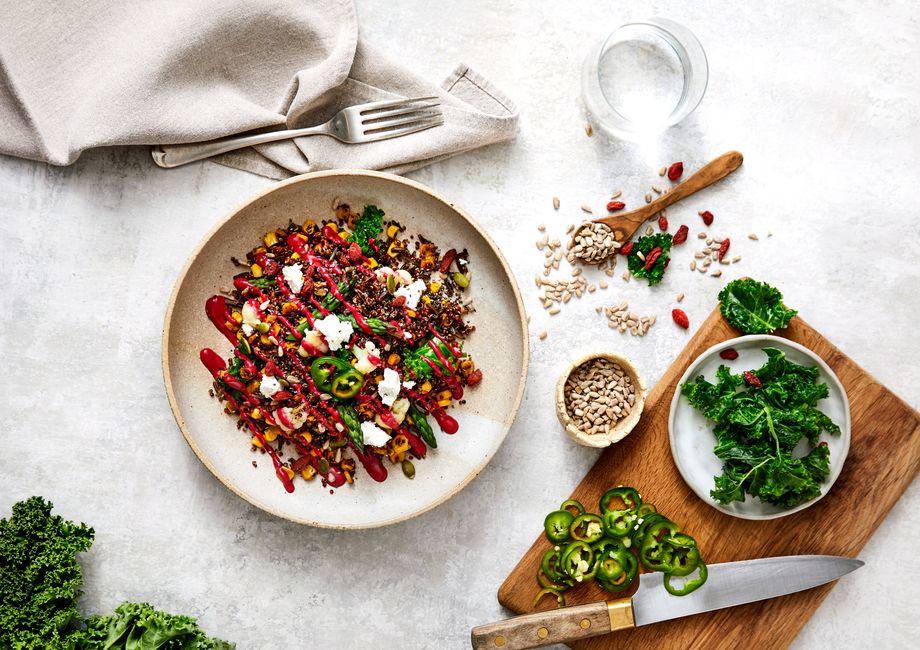
 MCEC unveils a new 2022 menu with bold flavours, wholesome ingredients from local farms and more diet-specific options. Photo Credit: Melbourne Convention and Exhibition Centre
Melbourne Convention and Exhibition Centre (MCEC) unveils its new
menu for 2022. It highlights bold flavours, wholesome ingredients from
local farms and more diet-specific options. Sustainability also takes
centre stage with a specially designed 100-Mile Menu.
Ranging from grab-and-go gourmet to sophisticated dining dishes, MCEC
has refreshed its menu to include more diverse options. Diet-specific
options such as plant-based and gluten-friendly dishes are featured to
ensure the well-being of delegates with diverse palate preferences.
“Drawing influence from the world around us and seeing what customers
are placing increased importance on really helps us to identify what
sort of food we might like to create,” shared Executive Chef Peter
Haycroft.
Highlights include the new cocktail menu, with canapes to choose from
including: Green mango, tofu, edamame, and sambal rice paper roll with
nam prik or truffle mushroom, whipped Meredith goat cheese and lemon
thyme tart.
The Gala menu includes Seared Wimmera duck breast with spiced carrot
puree, pan-fried panisse, crisp seasonal greens and red wine jus, and
Seared Victorian 3030 barramundi with saffron potato, baba ganoush and
herb oil.
In line with its focus on local produce, MCEC has ramped up
sustainability options such as the 100-Mile-Menu, a three-course plated
menu including canapés, where all main ingredients are sourced from
local farms and markets within 100 miles (161 km) of MCEC. This
initiative supports Victorian food producers and reduces carbon
footprint at the same time.
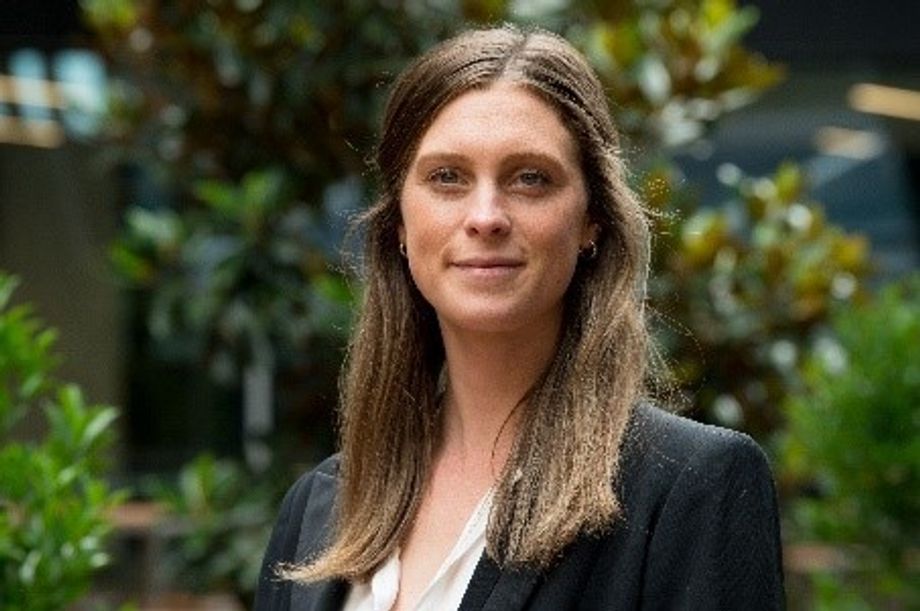 MCEC’s Sustainability Manager, Samantha Ferrier shared that the centre has seen about a 20% increase in such requests since the pre-Covid-19 period. Photo Credit: MCEC
With sustainability taking top priority this year by many planners,
MCEC’s Sustainability Manager, Samantha Ferrier shared that the centre
has seen about a 20% increase in such requests since the pre-Covid-19
period. “Interest has particularly increased for home-grown ingredients
and locally produced food items, as well as menu items that celebrate
Indigenous ingredients,” said Ferrier.
She shared that organisers in the energy industry representing power,
water and gas sectors are placing greater importance on sustainable
menus.
“Organisers are increasingly requesting coffee cup recycling – which
we offer – reusable coffee cups – which we’re trialling – and water
refill stations,” added Ferrier. Ecoboxes are also provided for
grab-and-go options.
Beyond F&B, organisers with sustainability agendas as part of
their corporate mission also want to work with venues that have
sustainability as part of its core value and not just as an event
option.
“They’re also wanting to know operational elements around use of
resources concerning waste disposal; and what types of waste streams we
offer to separate and recover as many resources as possible, especially
for organic and plastic waste, said Ferrier.
She added that closing the loop on items is becoming more widely
discussed. “For example, customers want to reduce food packaging and
packaging waste while still maintaining service levels in retail; and
our F&B team is passionate about working with these events to find
low-impact solutions such as offering cutlery and crockery.”