 Many corporations are requesting local culture and dishes to be integrated into their meetings. Photo Credit: Adobe Stock/Fokke Baarssen
Instagrammable moments, an increased level of customisation and a touch of local culture are defining dining trends across APAC.
Conrad Seoul has catered events where South Korea's local traditional markets are incorporated into its event space, with food stations showcasing chefs making traditional Korean rice cakes filled with red beans a la minute.
For Mark Meaney, general manager at Conrad Seoul, it’s a reflection of how experiencing local cultures is becoming popular throughout APAC, with many corporations requesting local culture and dishes to be integrated into their meetings.
“Ginseng chicken soup, a very popular Korean dish, is individually plated for our guests and live octopus is freshly prepared as part of the local experience,” he says. “One of our most popular menu offerings is the Korean lunch box where we offer four different combinations of Korean dishes including "banchan" (side dishes) together with soup.”
Ginseng chicken soup, a very popular Korean dish, is individually plated for our guests and live octopus is freshly prepared as part of the local experience.
Mark Meaney, general manager, Conrad Seoul
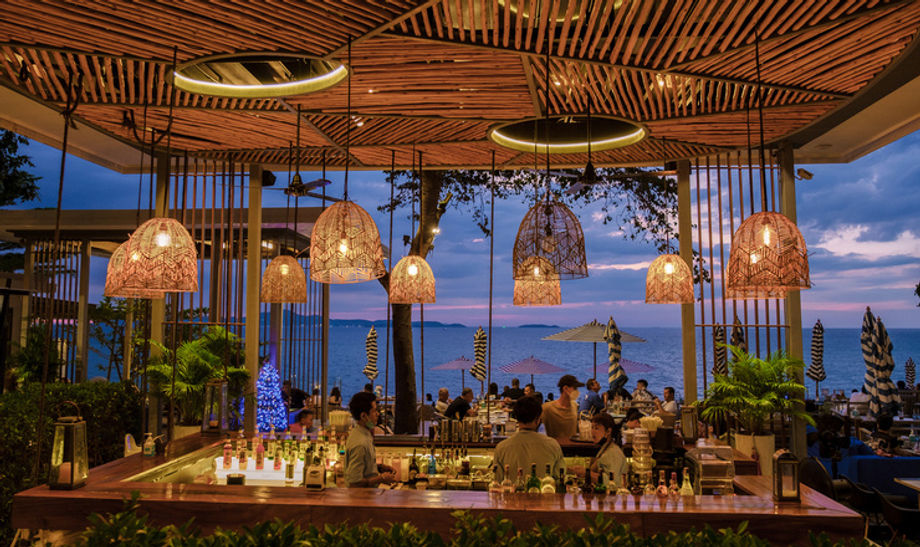
Vitanart Vathanakul, president at Royal Cliff Hotels Group and Pattaya Exhibition and Convention Hall, says that the décor inside a venue is now just as important as the taste of the dishes being served there.
“Hotels and restaurants have been very creative in the way the food is presented, as well as the style of the interior design,” he says. “MICE groups are searching for beautiful, unique settings that inspire creativity and productivity. For the food presentation, guests enjoy taking photos of unique set-ups that include edible flowers in the dish.”
Vathanakul sees this trend for high-end presentation reflected in the food and beverage service, saying venues will be providing exceptional services to make attendees feel welcome as soon as they arrive.
“It means that the restaurant reception knows returning guests by their names, those serving food know your favourite dishes and how you want them to be served, and the chefs come out and engage with you,” he says.
“At Royal Cliff, we train our food and beverage team extensively to provide the most outstanding service. Moreover, the team is also taught how to use technology to collect valuable data and utilise it to enhance the guest experience.”
The hotel has created a vast list of menus for clients to choose from, based on a combination of data collection and feedback from the client. Using this information, chefs are able to meticulously design menus to cater to different MICE group segments and customise requests where possible.
Elevated presentation is also high on the agenda at Singapore-based caterer Lavish, where director of business development, Richie Ling, sees requests for the much-loved culinary offerings of Asia with a fresh, elevated presentation.
We have curated a Nusantara series, which is an ode to the islands of the Malay Archipelago with its rich and diverse variety of herbs and spices.
Richie Ling, director of business development, Lavish
“We have curated a Nusantara series, which is an ode to the islands of the Malay Archipelago with its rich and diverse variety of herbs and spices,” he says. “Our Nusantara series features a selection of well-loved dishes around the region, namely Indonesia, Malaysia and Singapore with its rich culture and diversity in the cuisine as well. MICE groups are looking at bespoke catering and are still very much focused on experiential dining.”
Michelle Sargent, director, Australia & New Zealand at CWT Meetings & Events says more attendees are requesting special meals that cater to their dietary restrictions and preferences, reflecting a rise in the level of complexity with menu options requested. Events have evolved from having just a ‘vegetarian option’ on the menu to ensuring many groups are catered for, especially with the rise in veganism and gluten-free options.
“In some cases, buyers are using tapas-style, small plates to allow all attendees to build their own meal, but costs for customising may be steeper than one-size fits-all menus,” she says.
"That said, menu consolidation is one of the best strategies to keep costs under control. Narrowing the menu to utilise a kitchen in a certain way may reduce F&B rates if a venue saves money through bulk purchasing and preparation and passes on some of those savings to buyers.”